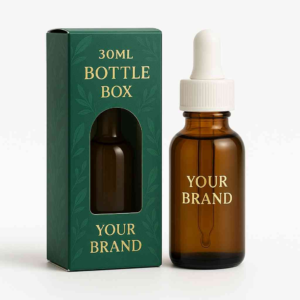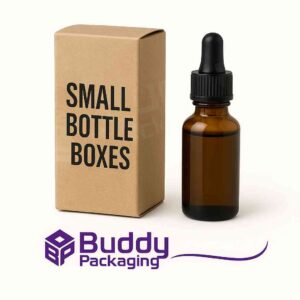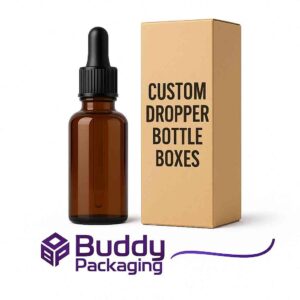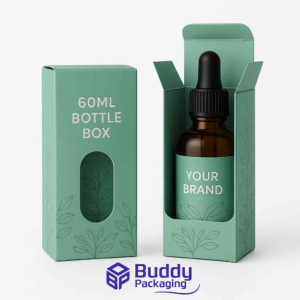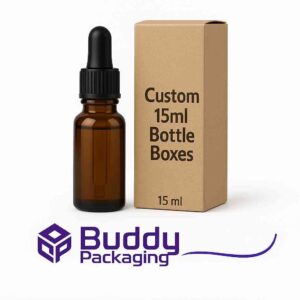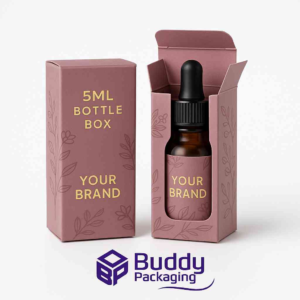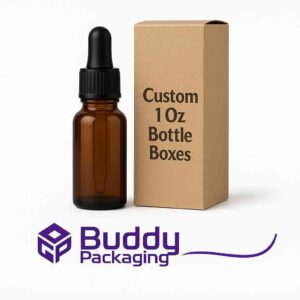
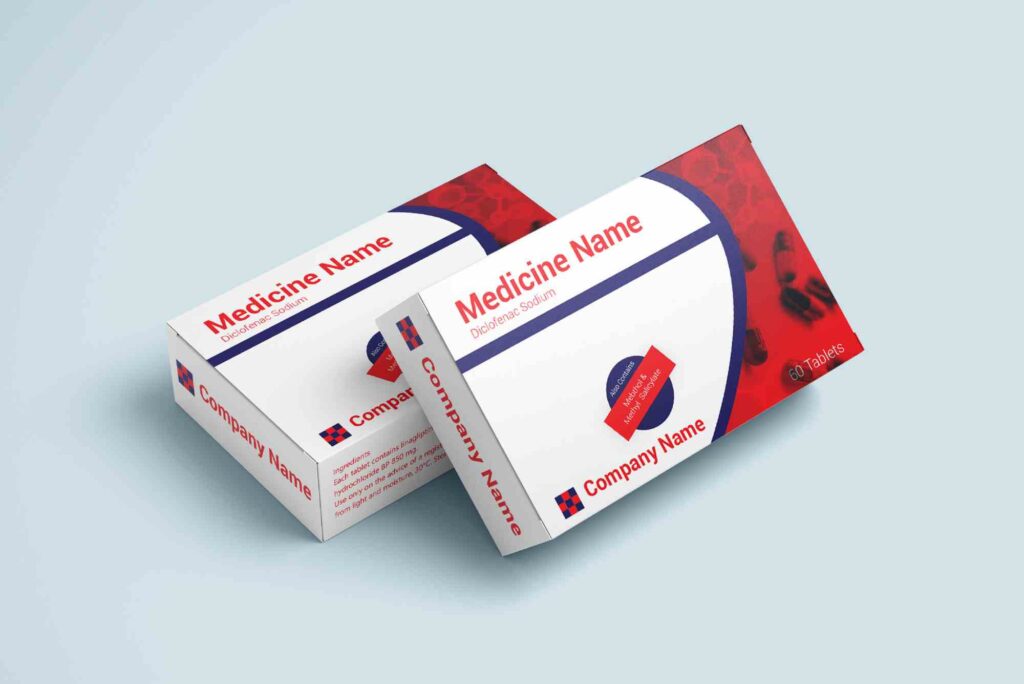
Medicine box packaging design plays a vital role in the pharmaceutical industry. It protects medication, communicates essential information, and builds trust with consumers. A well-designed medicine box does far more than hold pills or tablets. It ensures safety, regulatory compliance, and brand recognition in a competitive healthcare market.
Today, pharmaceutical companies invest heavily in medicine box packaging design because packaging directly affects patient confidence and product credibility. When patients pick up medicine from a pharmacy, the packaging is the first element they notice. Clear labelling, durable materials, and professional design signal reliability and quality.
In addition, modern medicine packaging must meet strict regulations. Authorities require clear dosage instructions, warnings, and product details. Therefore, designers must balance creativity with legal requirements while ensuring packaging remains user-friendly.
This guide explores every important aspect of medicine box packaging design, from materials and compliance to branding and sustainability.
The Importance of Medicine Box Packaging Design
Medicine packaging is a crucial component of healthcare delivery. It protects medication from environmental damage such as moisture, light, and contamination. Without proper packaging, pharmaceutical products could lose their effectiveness or become unsafe.
Beyond protection, medicine box packaging design improves patient safety. Clear instructions reduce misuse and dosing errors. Well-organised layouts allow patients to quickly locate essential information.
Furthermore, packaging builds brand trust. Patients often associate well-designed packaging with quality medicine. Pharmaceutical companies therefore prioritise packaging design to reinforce credibility and professionalism.
In a crowded market, packaging can also differentiate products. Colours schemes, typography, and structural design help medicines stand out on pharmacy shelves while maintaining a professional appearance.
Key Elements of Effective Medicine Box Packaging Design
Clarity of Information
One of the most important aspects of medicine box packaging design is clear communication. The packaging must display essential details such as dosage instructions, expiry dates, ingredients, and warnings.
Typography must be easy to read, even for elderly patients. Font size and colours contrast are particularly important for accessibility. Many healthcare organisations follow guidelines similar to those provided by the World Health Organization to improve medicine labelling clarity.
Clear information design ensures patients understand how to use their medication safely and correctly.
Structural Integrity
The structure of a medicine box is equally important. Pharmaceutical packaging must protect products during transportation and storage. Carton thickness, internal supports, and protective coatings help maintain product integrity.
High-quality carton structures prevent damage to blister packs, bottles, or ampoules. Strong packaging also reduces the risk of tampering and contamination.
Structural design must also accommodate pharmaceutical inserts, leaflets, and dosage guides while keeping the box compact and easy to open.
Compliance and Regulatory Requirements
Pharmaceutical packaging must follow strict regulations. Authorities require specific information to appear clearly on medicine boxes. Regulatory agencies such as the U.S. Food and Drug Administration and the European Medicines Agency set detailed guidelines for packaging and labelling.
Designers must ensure packaging includes batch numbers, expiry dates, active ingredients, and storage instructions. Tamper-evident seals and safety features are often mandatory.
Because of these regulations, medicine box packaging design must combine creativity with careful compliance.
Materials Used in Medicine Box Packaging Design
The choice of material significantly affects the effectiveness of pharmaceutical packaging. Most medicine boxes are made from high-quality cardboard or paperboard because these materials are lightweight, durable, and easy to print.
Paperboard cartons protect medicines while providing enough surface space for essential information. Coated materials can improve moisture resistance and durability.
Sustainability has also become an important factor. Many pharmaceutical brands now prefer recyclable materials. Environmentally friendly packaging helps companies reduce their carbon footprint while meeting consumer expectations.
If you are exploring customized pharmaceutical packaging solutions, specialised providers such as Custom Boxes offer tailored packaging structures that balance protection, design, and compliance.
Branding Through Medicine Box Packaging Design
Pharmaceutical companies often rely on packaging to strengthen brand identity. Although medicine packaging must remain professional and clear, branding still plays a key role.
Colours palettes, logos, and typography create a recognisable visual identity. For example, consistent colours across product lines help pharmacists and patients identify medicines quickly.
However, branding must never compromise clarity. The design must prioritise readability and safety over decorative elements.
Well-balanced medicine box packaging design achieves both goals. It communicates brand values while ensuring patients receive essential information clearly.
User Experience and Accessibility
Modern pharmaceutical packaging focuses heavily on patient experience. Accessibility is especially important because many patients are elderly or visually impaired.
Easy-open structures help patients access medication without frustration. Clear labelling improves understanding of dosage instructions.
Some medicine boxes now incorporate braille for visually impaired users. This innovation helps ensure safe medicine use across different patient groups.
Designers must also consider child-safety features. Child-resistant packaging prevents accidental consumption while remaining accessible to adults.
These features demonstrate how medicine box packaging design directly supports patient safety and usability.
Sustainable Trends in Medicine Box Packaging Design
Sustainability is rapidly transforming the packaging industry. Pharmaceutical brands increasingly seek eco-friendly packaging solutions that reduce environmental impact.
Recyclable paperboard materials are now widely used for medicine boxes. Many companies also reduce ink usage and avoid plastic coatings whenever possible.
Digital printing technologies have also improved sustainability. They allow smaller print runs and reduce production waste.
Sustainable medicine box packaging design not only benefits the environment but also improves brand reputation. Consumers increasingly prefer companies that demonstrate environmental responsibility.
If you are researching creative ideas for eco-friendly packaging, exploring global design showcases such as box design inspiration can provide valuable insights into modern packaging innovation.
Smart Packaging and Technology Integration
Technology is reshaping pharmaceutical packaging. Smart packaging solutions now allow brands to improve security, traceability, and patient engagement.
QR codes are commonly added to medicine boxes. These codes can link patients to product information, instructional videos, or safety guidelines.
Some pharmaceutical companies also use NFC technology to track products through supply chains. This technology helps prevent counterfeit medicines and improves patient safety.
Digital innovation is therefore becoming an essential element of modern medicine box packaging design.
Pharmaceutical Packaging and Supply Chain Efficiency
Packaging design also affects logistics and supply chain efficiency. Compact and stackable medicine boxes improve storage and transportation.
Uniform box sizes simplify distribution and reduce shipping costs. Pharmaceutical manufacturers carefully plan packaging dimensions to maximise warehouse efficiency.
Efficient packaging design ensures medicines remain protected throughout the supply chain while reducing operational expenses.
Businesses seeking reliable packaging partners can explore packaging specialists such as Buddy Packaging Location, which provides professional packaging solutions and consultation.
Future of Medicine Box Packaging Design
The future of pharmaceutical packaging will likely focus on three main priorities: sustainability, technology integration, and patient-centric design.
Eco-friendly materials will continue replacing traditional packaging options. Smart packaging features will enhance patient education and supply chain transparency.
At the same time, designers will prioritise accessibility and user-friendly structures. As healthcare systems evolve, packaging must adapt to support better patient outcomes.
Therefore, medicine box packaging design will remain a critical part of pharmaceutical innovation.
Frequently Asked Questions (FAQs)
Why is medicine box packaging design important?
Medicine box packaging design ensures product safety, regulatory compliance, and clear communication. It helps patients use medication correctly while protecting the product from contamination.
What materials are used for medicine packaging boxes?
Most medicine boxes are made from paperboard or cardboard. These materials are durable, lightweight, and suitable for printing essential medical information.
What regulations apply to medicine box packaging?
Pharmaceutical packaging must follow strict regulations set by authorities such as the FDA and EMA. These regulations ensure proper labelling, safety warnings, and tamper protection.
How does packaging improve patient safety?
Clear instructions, readable fonts, and secure packaging structures reduce medication errors. Some packaging also includes braille or child-resistant features.
Is sustainable pharmaceutical packaging possible?
Yes. Many companies now use recyclable materials and eco-friendly printing processes to create sustainable medicine box packaging.
Medicine box packaging design is far more than a simple container. It protects medication, communicates essential information, and strengthens patient trust. Pharmaceutical companies must carefully balance regulatory compliance, usability, and branding when designing packaging.