Introduction
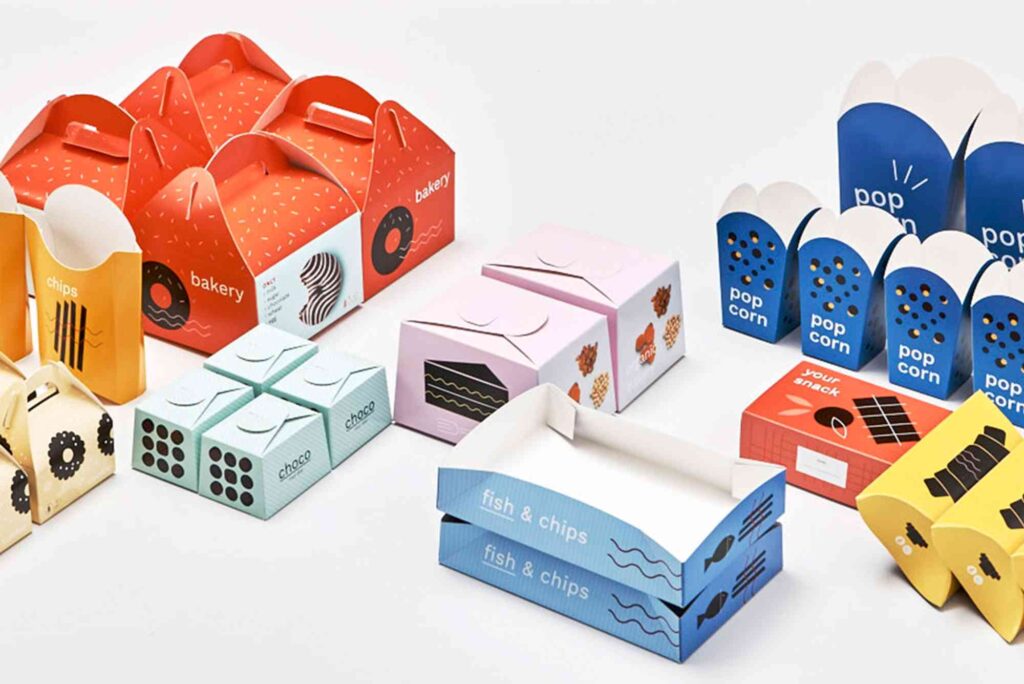
In today’s highly competitive food market, custom design food packaging has become far more than a protective layer. It is now a powerful branding tool, a customer experience enhancer, and a practical solution for preserving freshness. Whether you run a bakery, takeaway, café, frozen food company, or premium gourmet brand, the right packaging can directly influence how customers perceive your product.
Consumers often judge food quality before even tasting it. That first impression usually comes from the packaging. A well-crafted box, pouch, wrap, or container communicates trust, hygiene, professionalism, and quality. More importantly, custom design food packaging helps businesses stand out on crowded shelves and online marketplaces.
As food trends continue to evolve, businesses are investing in packaging that combines visual appeal with function. Many brands now explore Custom Packaging solutions that reflect their unique identity while ensuring products remain safe and fresh during storage and delivery. At the same time, creative teams increasingly look for packaging design inspiration to develop modern, eye-catching concepts that connect with target audiences.
Why Custom Design Food Packaging Matters
Food packaging is often the first direct interaction between your brand and your customer. Because of this, every colour, material, font, and structural detail matters.
Custom design food packaging strengthens brand recognition by creating a memorable visual identity. When customers repeatedly see the same colours, logo placement, and packaging style, they begin to trust the product. This trust can lead to repeat purchases and stronger customer loyalty.
Beyond branding, packaging protects food from contamination, moisture, air exposure, and damage. This is especially important for fragile baked goods, hot takeaway meals, frozen products, and ready-to-eat snacks.
Another major advantage is customer convenience. Easy-open features, resealable pouches, microwave-safe containers, and leak-resistant boxes improve usability. These small details can significantly improve customer satisfaction.
The Role of Branding in Food Packaging
Branding is the heart of successful custom design food packaging. Packaging should instantly tell customers who you are and what your product represents.
A premium chocolate brand may use dark matte finishes with gold foil elements. A healthy snack company might prefer earthy colours and recyclable kraft materials. Meanwhile, a fast-food takeaway brand may choose bold colours and simple typography for instant recognition.
Consistency across all packaging formats is essential. From delivery bags to sauce cups, maintaining the same design language reinforces professionalism.
Colour Psychology and Consumer Behaviour
Colours influence buying decisions. Red and yellow often stimulate appetite, which is why they are common in fast-food branding. Green signals freshness, organic ingredients, and sustainability. Black suggests luxury and premium quality.
By applying colour psychology strategically, custom design food packaging can influence emotions and increase product appeal.
Typography and Visual Hierarchy
Typography affects readability and perception. Clean, bold fonts work well for modern food brands, while handwritten styles may suit artisan bakeries or homemade products.
Important information should always stand out first. Product name, flavour, ingredients, and expiry dates need clear hierarchy. This improves user experience and helps brands meet compliance standards.
Materials Used in Custom Design Food Packaging
Choosing the right material is as important as choosing the design.
Cardboard remains a leading choice because it is lightweight, printable, and recyclable. It works especially well for bakery boxes, takeaway meal containers, and dry food items.
Kraft paper is increasingly popular among eco-conscious brands. It gives a natural, sustainable look while supporting environmentally responsible messaging.
Plastic-based food-safe packaging still plays a role, especially for moisture-sensitive products. However, many businesses now use recyclable or biodegradable alternatives.
For premium items, rigid boxes and laminated paperboard create a luxury unboxing experience. This approach works well for chocolates, gift hampers, and gourmet food products.
The best custom design food packaging balances aesthetics, cost, durability, and food safety.
Sustainable Packaging Trends in the UK
Sustainability is no longer optional. UK consumers increasingly expect brands to reduce waste and use eco-friendly materials.
Biodegradable containers, compostable wraps, and recyclable boxes are now central to modern custom design food packaging strategies. Brands that communicate sustainability clearly on packaging often gain a competitive advantage.
Minimalist design also supports eco goals. Using fewer inks, lighter materials, and efficient box sizes reduces both cost and environmental impact.
Many food companies are redesigning their packaging to reduce empty space. This lowers shipping costs and decreases carbon emissions during transport.
Sustainability messaging should remain honest and transparent. Customers quickly lose trust in brands that use misleading eco claims.
How Packaging Design Increases Sales
The right packaging design can directly influence conversions.
Shelf appeal is critical in retail settings. Products only have seconds to grab attention. Strong colours, clear branding, and premium finishing help food products stand out.
For e-commerce and delivery businesses, the unboxing experience matters just as much. Attractive custom design food packaging encourages customers to share photos on social media, generating free user-generated marketing.
Limited edition seasonal packaging can also drive urgency. Special designs for holidays, events, or collaborations create excitement and increase repeat purchases.
Packaging can even upsell products. Compartments, inserts, or bundled meal boxes encourage customers to buy more in a single order.
Best Design Practices for Food Businesses
Successful custom design food packaging always starts with understanding the customer.
A children’s snack brand needs playful visuals and vibrant colours. A fine dining takeaway service may need elegant, understated packaging with premium textures.
Practical testing is equally important. Packaging should survive transport, stacking, and temperature changes. A beautiful design means little if the box leaks or collapses.
Focus on User Experience
The customer journey does not end at purchase. Packaging should make eating, storing, and disposing easy.
Easy-fold boxes, grease-resistant linings, tamper-evident seals, and portion-friendly trays all improve functionality.
Ensure Legal Compliance
Food packaging must clearly display required information. This includes ingredients, allergens, nutritional values, storage instructions, and expiration dates where needed.
Good custom design food packaging integrates compliance naturally without disrupting visual appeal.
Future of Custom Design Food Packaging
Technology is changing the future of packaging design.
Smart QR codes now connect customers to ingredient sourcing, recipes, promotions, and loyalty programmes. This creates an interactive brand experience.
Augmented reality packaging is also growing. Customers can scan packaging with a phone to unlock games, stories, or preparation guides.
Personalisation is another major trend. Brands are using regional artwork, customer names, and limited-run graphics to create deeper emotional connections.
As innovation grows, custom design food packaging will continue blending creativity, sustainability, and smart functionality.
Attractive Packaging Design plays a vital role in shaping customer perception and strengthening brand identity. A well-crafted package not only protects the product but also captures attention on crowded shelves and online marketplaces. By combining appealing visuals, practical structure, and consistent branding, businesses can create memorable first impressions that influence buying decisions and encourage repeat purchases, helping products stand out in a competitive market.
Frequently Asked Questions
What is custom design food packaging?
Custom design food packaging is personalised packaging created to match a food brand’s identity while protecting the product and improving customer appeal.
Why is custom packaging important for food products?
It protects freshness, improves shelf presence, supports branding, and enhances customer trust.
What materials are best for food packaging?
The best materials depend on the food type. Common options include cardboard, kraft paper, biodegradable materials, and food-safe plastics.
Is sustainable food packaging worth it?
Yes, sustainable packaging improves brand reputation, meets consumer expectations, and supports long-term environmental goals.
How does packaging design affect customer buying decisions?
Customers often buy based on first impressions. Strong visual design and easy functionality increase trust and encourage purchases.
In the modern food industry, custom design food packaging is a direct extension of your brand. It protects products, improves shelf appeal, strengthens customer loyalty, and supports sustainable goals.
From material selection to colour psychology, every design decision shapes how customers experience your food product. Businesses that invest in thoughtful packaging often see stronger engagement, better repeat sales, and higher brand recognition.