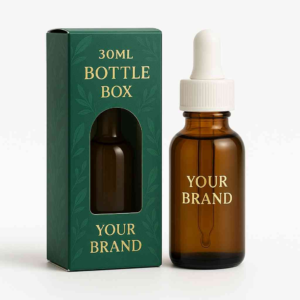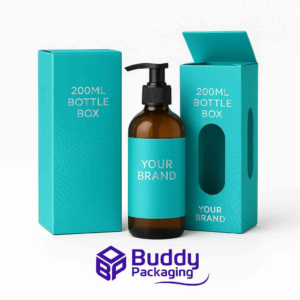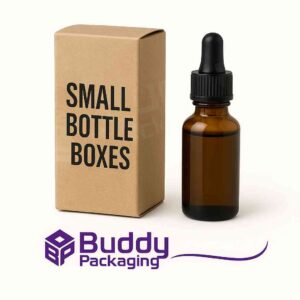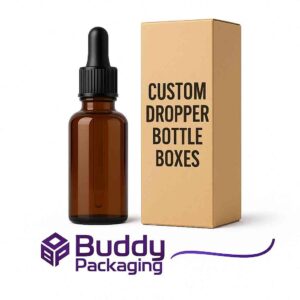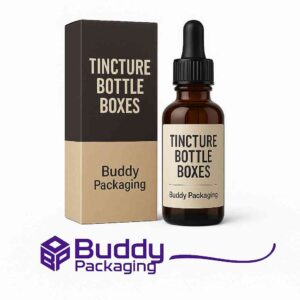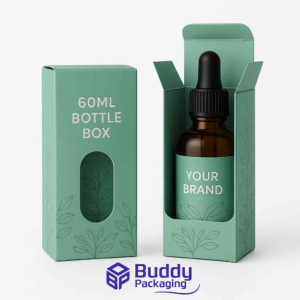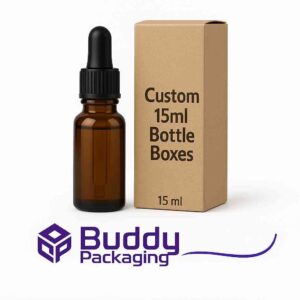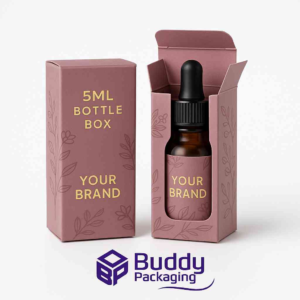
Introduction: The Power of Product Packaging Box Design
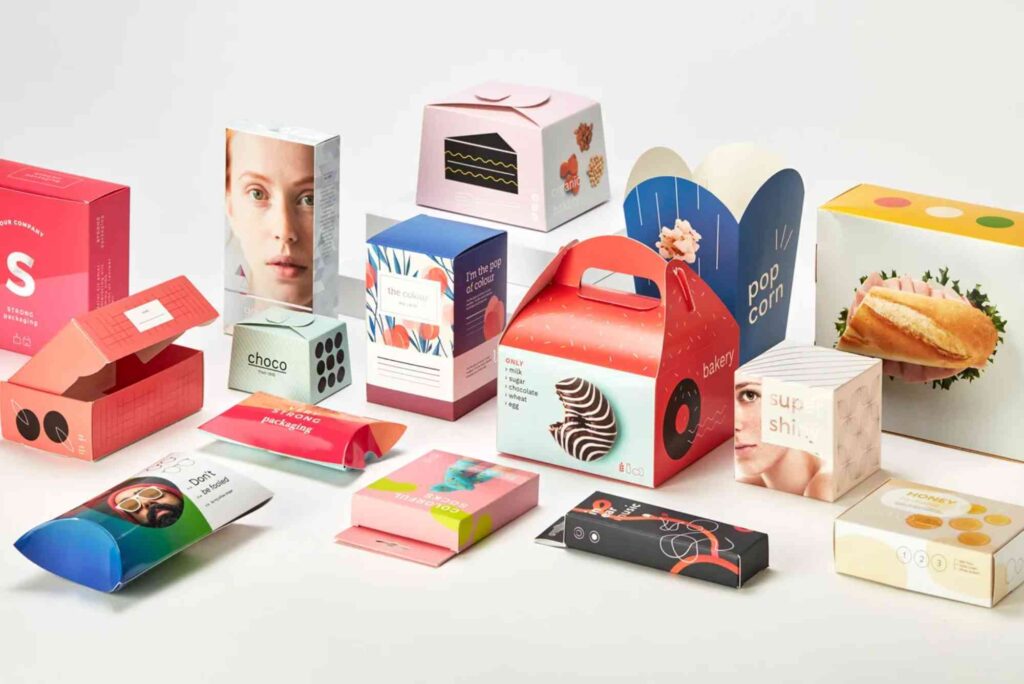
In today’s competitive market, product packaging box design is more than just a protective cover. It serves as the first impression of your brand, capturing attention and conveying your story. From small startups to established enterprises, investing in high-quality packaging can influence purchase decisions and foster customer loyalty. A well-designed box communicates value, professionalism, and thoughtfulness, making your product stand out on crowded shelves or online platforms.
Product packaging is no longer just functional; it’s an essential marketing tool. It combines creativity, material innovation, and structural engineering to ensure your product is both attractive and secure. This article explores the key aspects of packaging box design, offering insights for businesses looking to create impactful packaging solutions.
Understanding the Essentials of Packaging Box Design
Product packaging box design requires a strategic approach that balances aesthetics, functionality, and sustainability. At its core, design must reflect your brand identity while protecting the product inside. Understanding these essentials ensures your packaging achieves both commercial and experiential goals.
Material Selection: Balancing Durability and Appeal
The choice of materials directly affects the quality, feel, and durability of your packaging. Cardboard, corrugated paper, and eco-friendly alternatives like recycled kraft are popular choices. Each material carries its own weight in terms of visual appeal, strength, and sustainability. Selecting the right material is crucial for both product safety and brand perception.
Structural Design: Function Meets Aesthetics
A great packaging box is more than a beautiful exterior. The structural design determines how the product is held, displayed, and transported. Clever folds, inserts, and compartments enhance usability, while innovative shapes can create a memorable unboxing experience. Structural integrity ensures your product reaches customers without damage, reinforcing trust in your brand.
Branding and Visual Identity
Packaging is the first canvas for expressing your brand. Logos, colours palettes, typography, and imagery must align with your brand’s voice. Product packaging box design allows for a tactile and visual representation of your business, making your brand instantly recognisable. Custom finishes like embossing, foil stamping, or spot UV can add sophistication and appeal. For further print & finishing insights, businesses can explore detailed guides available online.
Innovative Trends in Product Packaging Box Design
Keeping up with trends helps brands remain relevant and engage customers effectively. Today’s consumers are drawn to designs that combine sustainability, convenience, and aesthetics.
Eco-Friendly Packaging Solutions
Sustainability is no longer optional. Many brands are switching to recyclable, biodegradable, or compostable materials. Eco-conscious consumers are more likely to purchase products that reflect their values. Moreover, sustainable packaging can enhance your brand story, providing both marketing leverage and environmental responsibility.
Minimalist and Functional Designs
Minimalism is on the rise, with clean lines, simple typography, and restrained colours palettes dominating modern packaging. Functional design also includes features like easy-to-open boxes, resealable options, and space-efficient structures, ensuring a seamless user experience.
Personalisation and Customisation
Consumers increasingly value personalised experiences. Packaging that reflects individuality, whether through limited-edition designs or personalised messages, builds deeper connections. Custom Boxes can be tailored to your specific product dimensions, branding, and thematic requirements, creating an exceptional unboxing experience.
The Role of Technology in Packaging Design
Technological innovations are revolutionising how brands approach product packaging box design. From digital prototyping to augmented reality, technology enhances creativity and accuracy.
Digital Mockups and Prototyping
Digital design tools allow designers to visualise boxes in 3D before production. This ensures precise measurements, colours fidelity, and structural stability. Rapid prototyping reduces errors and accelerates the time from concept to finished product.
Smart Packaging Features
Some brands are integrating QR codes, NFC chips, or augmented reality elements into their packaging. These features enhance customer engagement by offering product information, tutorials, or interactive experiences, adding value beyond the product itself.
Common Challenges in Packaging Box Design
While packaging offers enormous opportunities, there are challenges to address for effective results.
Cost vs. Quality
Balancing budget constraints with premium design can be tricky. Cheaper materials or simplified designs may reduce costs but risk damaging brand perception. Careful planning ensures an optimal mix of affordability and visual impact.
Environmental Considerations
Sourcing eco-friendly materials or designing recyclable packaging may increase complexity. Brands must consider supply chain implications and production feasibility while maintaining sustainability standards.
Consistency Across Product Lines
For businesses with multiple product lines, maintaining consistent branding and structural integrity across all packaging is crucial. Consistency builds brand recognition and strengthens trust with customers.
How to Achieve a Successful Product Packaging Box Design
Achieving effective packaging requires a combination of strategy, creativity, and execution.
Collaborate with Experienced Designers
Partnering with professionals familiar with market trends and consumer psychology can transform your packaging from ordinary to extraordinary. Experienced designers know how to balance aesthetics, functionality, and brand messaging.
Test and Refine Your Design
Before full-scale production, testing prototypes with focus groups or via small batches ensures usability, appeal, and durability. Iterative design reduces the risk of costly mistakes and optimises customer satisfaction.
Highlight Your Brand Story
Every package should tell a story. Whether it’s the brand mission, product origin, or sustainability message, storytelling through design creates a stronger emotional connection with your audience.
For businesses seeking top-tier services, visiting a Buddy Packaging Location can provide hands-on guidance and inspiration for premium packaging solutions.
Transform Your Products Through Exceptional Packaging
Product packaging box design is a crucial element of modern branding. It merges creativity, functionality, and storytelling to elevate customer perception and engagement. Investing in high-quality, thoughtfully designed packaging not only protects your product but also strengthens your brand identity.
To make your packaging truly stand out, collaborate with experts who understand both design trends and technical requirements. Explore options like Custom Boxes to create a packaging solution tailored to your product and brand vision. Elevate your business today by transforming your packaging into a powerful marketing asset.
FAQ
What is the best material for product packaging boxes?
The choice depends on product type, budget, and sustainability goals. Cardboard, corrugated paper, and recycled kraft are widely used.
How can packaging enhance customer experience?
Packaging can influence unboxing enjoyment, ease of use, and perceived value. Thoughtful design strengthens emotional connections with customers.
Are eco-friendly packaging solutions more expensive?
While some sustainable materials may cost more upfront, they provide long-term brand value and appeal to environmentally conscious consumers.
How do I choose the right structural design?
Consider product protection, ease of transport, and user convenience. Prototyping helps ensure the design is both practical and appealing.
Can packaging include interactive elements?
Yes. QR codes, NFC chips, and augmented reality can provide product info, tutorials, or interactive experiences.