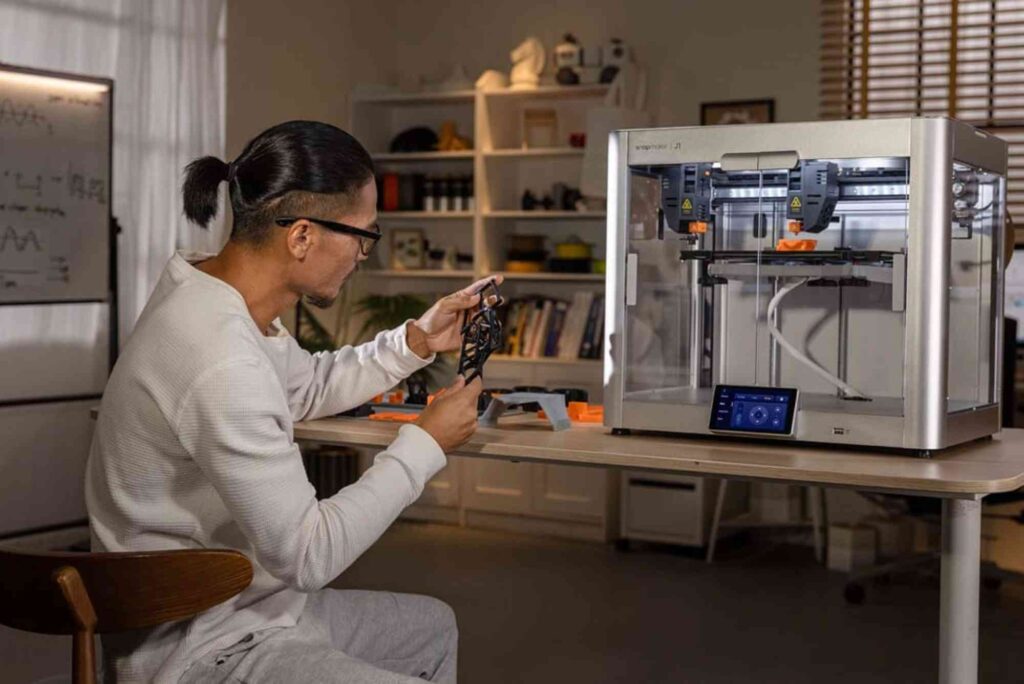
The rise of digital manufacturing has transformed how products are designed, shared, and produced. At the centre of this shift is the 3d printing design marketplace, a platform where creators upload digital models and buyers download or purchase them for printing. This ecosystem connects designers, hobbyists, engineers, and businesses in a way that was not possible a decade ago.
A 3d printing design marketplace is more than a file-sharing hub. It is a dynamic environment where creativity meets commerce. Whether you are a designer looking to monetise your work or a business seeking rapid prototyping, these platforms offer a powerful solution.
Introduction to the 3D Printing Design Marketplace
A 3d printing design marketplace allows users to buy, sell, and share 3D models. These files are typically created using CAD software and can be printed using various materials. As a result, the marketplace acts as a bridge between digital design and physical production.
In recent years, demand for customisation has increased. Consumers now prefer unique, personalised items rather than mass-produced goods. Consequently, 3D printing marketplaces have grown rapidly. They support everything from decorative objects to industrial components.
Moreover, these platforms enable small businesses to compete with larger manufacturers. With minimal investment, creators can upload designs and reach a global audience. This accessibility is one of the main reasons behind the popularity of the 3d printing design marketplace.
How a 3D Printing Design Marketplace Works
A 3d printing design marketplace operates through a simple yet effective model. Designers upload their 3D files, usually in formats such as STL or OBJ. Buyers browse categories, preview designs, and purchase files that meet their needs.
After purchase, users can download the file and print it using their own 3D printer or through a third-party service. Some marketplaces also offer integrated printing services, making the process even more convenient.
The platform typically earns revenue through commissions or subscription models. Meanwhile, designers receive royalties for each sale. This system encourages continuous innovation and content creation.
In addition, many platforms include user ratings, reviews, and community forums. These features help maintain quality and build trust among users. As a result, the 3d printing design marketplace becomes a reliable space for both buyers and sellers.
Benefits of Using a 3D Printing Design Marketplace
One of the biggest advantages of a 3d printing design marketplace is accessibility. Anyone with design skills can upload their work and start earning. At the same time, buyers gain access to thousands of ready-made designs.
Another key benefit is cost efficiency. Instead of hiring designers or investing in expensive tooling, businesses can simply purchase a design. This reduces production time and expenses significantly.
Flexibility is another important factor. Users can customise designs to suit their needs. For example, a product can be resized or modified before printing. This level of control is rarely available in traditional manufacturing.
Additionally, these platforms promote sustainability. Since items are produced on demand, there is less waste compared to mass production. This aligns with modern environmental goals and responsible consumption.
Role of Design Quality and Innovation
In a competitive 3d printing design marketplace, quality matters more than ever. High-quality designs attract more buyers and generate better reviews. Therefore, designers must focus on precision, usability, and aesthetics.
Innovation also plays a crucial role. Unique and creative designs stand out in crowded marketplaces. As trends evolve, designers must adapt and experiment with new ideas.
For instance, combining functionality with visual appeal can increase the value of a product. A well-designed item not only looks good but also performs efficiently. This balance is essential for long-term success in the 3d printing design marketplace.
Integrating Branding and Packaging
While digital designs are the core product, physical presentation still matters. When selling printed items, branding and packaging become important. Businesses often explore solutions like Custom Packaging to enhance customer experience. You can explore more about understand how presentation adds value to physical products.
Effective packaging creates a memorable impression. It also protects the product during shipping. In the context of a 3d printing design marketplace, this step helps bridge the gap between digital and physical commerce.
Moreover, branding builds trust and recognition. A strong brand identity can turn one-time buyers into loyal customers. This is especially important in competitive marketplaces.
Importance of Design Strategy
Success in a 3d printing design marketplace requires more than technical skills. Designers must also understand market trends and user preferences. Applying proven packaging design tips can improve both product appeal and customer satisfaction.
A thoughtful design strategy includes research, testing, and refinement. Designers should analyse which products perform well and why. This insight helps in creating designs that meet real-world needs.
Furthermore, understanding target audiences is essential. A design meant for hobbyists may differ from one intended for industrial use. Tailoring designs accordingly increases the chances of success in the 3d printing design marketplace.
Popular Categories in 3D Printing Marketplaces
The 3d printing design marketplace offers a wide range of categories. These include home décor, tools, fashion accessories, and educational models. Each category serves a specific audience and purpose.
For example, hobbyists often look for decorative items or collectibles. On the other hand, engineers may require functional parts or prototypes. This diversity makes the marketplace versatile and inclusive.
Additionally, niche markets are emerging. Custom jewellery, medical models, and architectural prototypes are gaining popularity. These specialised areas provide opportunities for designers to stand out.
Challenges in the 3D Printing Design Marketplace
Despite its advantages, the 3d printing design marketplace also presents challenges. One major issue is intellectual property protection. Designers must ensure their work is not copied or misused.
Another challenge is quality control. Not all designs are optimised for printing. Poorly designed files can lead to failed prints and dissatisfied customers. Therefore, designers must test their models thoroughly.
Competition is also intense. With thousands of designs available, standing out requires consistent effort. Designers need to focus on branding, marketing, and customer engagement.
Moreover, pricing can be tricky. Setting the right price involves balancing value and competitiveness. Overpricing may deter buyers, while underpricing can reduce profitability.
Future Trends in 3D Printing Design Marketplace
The future of the 3d printing design marketplace looks promising. As technology advances, new opportunities will emerge. For instance, improvements in materials will expand the range of printable products.
Artificial intelligence is also expected to play a role. AI tools can assist in design creation and optimisation. This will make the process faster and more efficient.
Another trend is the integration of augmented reality. Buyers may soon preview designs in real-world settings before purchasing. This enhances the user experience and reduces uncertainty.
Furthermore, decentralised platforms using blockchain technology could improve transparency and security. These innovations will shape the next generation of the 3d printing design marketplace.
Tips for Buyers and Sellers
For buyers, it is important to review product details carefully. Checking file compatibility and print requirements can prevent issues. Reading reviews also helps in making informed decisions.
For sellers, consistency is key. Regularly uploading new designs keeps your profile active. Engaging with customers and responding to feedback builds trust.
Additionally, high-quality previews and descriptions can increase sales. Clear visuals help buyers understand what they are purchasing. This is especially important in a 3d printing design marketplace, where the product is digital.
The 3d printing design marketplace has revolutionised how products are created and distributed. It empowers individuals and businesses to turn ideas into reality with minimal barriers. From cost efficiency to customisation, the benefits are significant.
However, success requires more than just uploading designs. It involves understanding market trends, maintaining quality, and building a strong brand. By combining creativity with strategy, anyone can thrive in this space.
As technology continues to evolve, the opportunities within the 3d printing design marketplace will only grow. Now is the perfect time to explore this exciting field. Start creating, start selling, and take your designs to a global audience today.
Getting started with 3D Printing Design For Beginners can feel overwhelming, but with the right approach, anyone can learn the basics. From understanding simple modelling tools to exploring creative design ideas, beginners can gradually build confidence and skills. With practice and the right guidance, you can turn your ideas into real, tangible objects and step into the exciting world of 3D printing.
FAQs
What is a 3d printing design marketplace?
A 3d printing design marketplace is an online platform where users can buy and sell 3D printable files for various purposes.
How do I sell designs on a 3d printing design marketplace?
You need to create high-quality 3D models, upload them to a platform, and set pricing. Consistent updates improve visibility.
Are 3D printing marketplaces profitable?
Yes, they can be profitable if you focus on quality, niche markets, and effective marketing strategies.
What file formats are used in 3D printing marketplaces?
Common formats include STL, OBJ, and 3MF. These are compatible with most 3D printers.
Can I customise designs from a 3d printing design marketplace?
Yes, many designs can be modified before printing, depending on the file and software used.