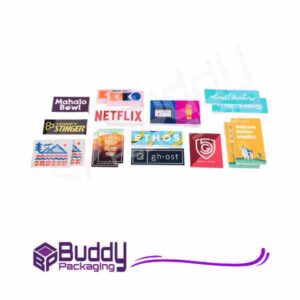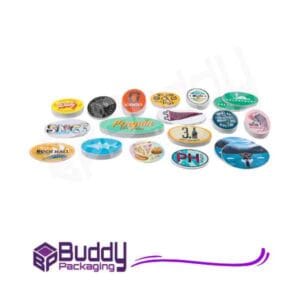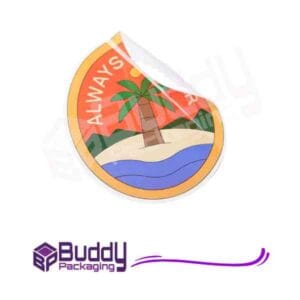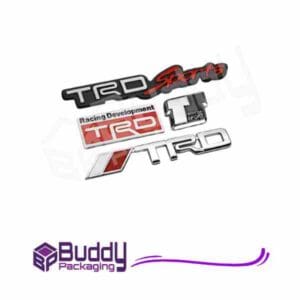
Brand identity begins with first impressions. In today’s visual landscape, the right graphic element can define how customers see and remember a business. Design Printing Logo Png files play a central role in creating impactful visuals. Especially for vibrant spaces like Orange Theory Mountain View, a well‑crafted logo in PNG format ensures clarity on apparel, digital displays, signage, and promotional material. This deep dive uncovers essential principles, optimisation tips, industry standards, and real‑world application strategies that help your logo look superb everywhere it appears.
Understanding Design Printing Logo Png and Why It Matters
At its core, Design Printing Logo Png refers to logo files saved in Portable Network Graphics (PNG) format. Unlike other file formats, PNG supports transparency and lossless compression. This means your logo can sit cleanly over backgrounds without unsightly boxes or degraded quality. For a fitness brand such as Orange Theory Mountain View, clarity is non‑negotiable. Customers expect bold, crisp visuals across screens and print materials. A high‑quality PNG allows designers to preserve detail while maintaining a flexible canvas for creative placement.
Selecting the correct logo format impacts everything from merchandise to digital interfaces. Brand colours, line weights and proportions must feel consistent whether projected on a gym monitor or printed on a water bottle. By using PNG format, you ensure adaptability without compromising visual integrity.
What Sets PNG Apart from Other Graphic Formats
When it comes to printing logos, different file types serve different purposes. Formats like JPEG compress images with colours blending but sacrifice transparent backgrounds. SVG and EPS offer vector scalability but are not always compatible with all printing workflows. PNG bridges an essential gap. It maintains detail and sharp edges while allowing transparent backgrounds so the logo can seamlessly adapt to any surface or colours.
For instance, imagine placing the Orange Theory logo on a dark gym wall. A JPEG would require a bounding box or background, creating visual clutter. A PNG allows effortless overlay so the logo integrates organically into the environment. This flexibility increases utility and ensures consistency across mediums.
Furthermore, PNG’s lossless compression preserves contrast and colours fidelity — crucial for fitness brands where vibrant energy is core to identity. Choosing the right format means fewer revisions, faster output and more predictable results.
How to Create a Professional Design Printing Logo Png
Starting with a strong concept is essential. A logo must tell a story, speak to the audience and feel timeless. Begin by defining core brand attributes. What emotions do you want the logo to evoke? What elements capture the spirit of your business? For Orange Theory Mountain View, this likely includes energy, motion and community.
Once the concept is clear, translate it into vector software such as Adobe Illustrator. Working in vectors ensures your design retains crisp lines no matter how large or small it becomes. After you finalise the vector, export it as a PNG with appropriate resolution and transparency settings.
Here’s how to make sure your PNG translates well in print:
- Set proper DPI (dots per inch): Always export at 300 DPI for print outputs. This ensures smooth edges and legible text.
- Use transparency wisely: Avoid unintended halos by checking edges against both light and dark backgrounds.
- Save multiple versions: Different printing methods require different colours profiles. Prepare CMYK and RGB exports to match output needs.
When done correctly, this export process guarantees that the Design Printing Logo Png is ready for application across apparel, signage, promotional materials, screens and beyond.
Real‑World Application: Orange Theory Mountain View’s Branding
Fitness centres thrive on motivation and visibility. The gym environment features dynamic visuals, merchandise and digital signage. A well‑designed logo in PNG format becomes a foundational tool in creating brand cohesion. Whether it’s printed on T‑shirts, displayed on digital boards, or etched into gym gear, the logo speaks to the identity of the space.
Design Printing Logo Png helps maintain uniformity. The logo remains clean against coloured backgrounds, ensuring nothing distracts from brand messaging. Additionally, it enhances reproducibility in ways other formats cannot easily match.
Orange Theory environments are often filled with colourful, high‑energy graphics. By using PNG files, designers ensure that logos integrate without compromise. This consistency builds trust and recognition among members. After all, customers are more likely to connect with brands that feel intentional and polished.
Technical Tips for Flawless Logo Printing
Effective printing goes beyond file choice. Understanding output technologies like screen printing, digital printing, and embroidery ensures your Design Printing Logo Png looks great in every application.
Screen printing remains popular for apparel. It uses stencils and ink screens to transfer designs. PNG files with clean edges simplify stencil creation. But because screen printing may limit gradients, designers often simplify complex artwork before output. This is where working with professionals pays off.
Digital printing excels in reproducing detailed images directly onto surfaces. It accommodates gradients and subtle textures better than screen printing. However, colours calibration is essential to avoid mismatches between on‑screen designs and printed output. Always work with calibrated monitors and printers, or consult with specialists.
For textured outputs like embroidery, PNG files must be converted into stitch files. This requires special software and expertise. The good news is that high‑quality PNG files make conversion much easier and produce professional results.
A crucial point: when preparing for print, consult standards like those outlined by renowned design authorities. External references provide benchmarks for colours spaces, resolution and export settings that ensure predictable outcomes. Trusted sources such as the Adobe Help Center offer detailed guides on exporting to PNG for print workflows.
(External Link: Adobe PNG Export Guide: adobe.com)
Brand Consistency: More Than Just a File
Consistency is heart of recognition. When customers enter Orange Theory Mountain View, every piece of visual communication should feel like part of a unified story. Your logo functions as the anchor of that narrative. Whether it appears on a promotional banner or digital signup screen, the underlying file format helps preserve that consistency.
That’s where structured brand guidelines come into play. A comprehensive guideline outlines logo usage, spacing, opacity, colours alternatives, and prohibited treatments. It ensures that even partners and vendors respect brand integrity. PNG files then serve as the standard asset referenced across touchpoints — digital or physical.
Brand consistency also improves customer trust. When people recognise your logo effortlessly, they associate it with quality and dependability. That psychological comfort fosters repeat visits, recommendations and stronger community ties.
Using PNG Files Across Marketing Channels
PNG logos are not limited to print. They work seamlessly in digital campaigns. Social media, websites, email newsletters — all require flexible logo files that adapt without losing clarity. UX designers often choose PNG files for website headers precisely because of their ability to accommodate transparent backgrounds without quality loss.
For print campaigns, integrated promotional materials maintain coherence. An awareness flyer, a direct mail card and a sponsored event banner all benefit from the same PNG file adjusted for output needs.
Marketing today is omnichannel. Your logo must appear crisp on mobile, tablet, desktop, and physical materials. PNG files enable this adaptability. A consistent asset library ensures that every team member accesses the correct version, reducing errors and rework.
Avoiding Common Mistakes With Design Printing Logo Png
Many designers fall into traps that compromise final print quality. One common error is using low resolution PNG files for large prints. Another mistake is exporting without transparent backgrounds, leading to awkward white boxes around your logo. Such oversights diminish professionalism.
Always check resolution and transparency before sending files to print. If your artwork includes gradients, verify that the target print method can faithfully reproduce them. A simple mock‑up could reveal potential pitfalls before costly production begins.
Another oversight lies in colours profiles. Print uses CMYK, while screens use RGB. Failing to adjust accordingly may result in unexpected colours shifts. Convert and proof colours early in the workflow to minimise surprises.
By pre‑empting these common issues, your Design Printing Logo Png will consistently deliver favourable results, avoiding unnecessary revisions and delays.
Integrating Expert Production Partners
Great design deserves great execution. Working with experienced print partners can lift quality without added stress. Whether you’re producing apparel, signage or promotional items, professionals understand technical requirements better than most designers. They guide file preparation, suggest ideal substrates and advise on finishes that amplify impact.
For example, when printing workout gear for Orange Theory Mountain View, partners can recommend fabrics and methods that resist wash wear and retain colours vibrancy. Similarly, showroom signage benefits from material choices that reduce glare and improve durability.
Knowledgeable partners can also offer insight into advanced finishes like embossing, UV coatings, and custom die‑cuts. While these may not always involve PNG files directly, understanding how your digital assets translate into tactile experiences helps you make more informed decisions.
Connecting Your Logo to Broader Packaging Design
A cohesive physical brand experience also extends to packaging. As you develop branded products or promotional items, consider how Design Printing Logo Png integrates into a broader packaging workflow. Packaging that reflects brand aesthetics enhances perceived value and strengthens recall.
For guidance on effective packaging strategies that complement your logo design, explore Custom Packaging insights. By aligning packaging design with your visual identity, you make every touchpoint feel intentional.
Staying Current With Print & Design Trends
The worlds of print and design evolve continuously. Staying informed helps you innovate while respecting foundational principles. From sustainable materials to immersive finishes — trends influence expectations across industries. Insightful resources like print & finishing insights offer up‑to‑‑date information that supports smarter decisions.
Learning from industry advancements also avoids stagnation. New techniques may offer more cost‑effective production or richer visual results. Balancing trend awareness with timeless design ensures your logo remains relevant without becoming trite.
Amplify Your Brand With Design Printing Logo Png
In a competitive environment, details matter. High‑quality Design Printing Logo Png files are a cornerstone of memorable brand presence. They empower consistent representation across print and digital, enable seamless integration with physical spaces like Orange Theory Mountain View, and support broader marketing initiatives.
Take your visual identity seriously. Invest in thoughtful design, prepare files with technical precision, and collaborate with expert partners to achieve professional outcomes. When every logo application feels intentional, your brand builds trust, recognition and loyalty.
Are you ready to elevate your brand visuals? Refresh your logo assets, streamline your design workflow, and bring your vision to life with high‑impact prints. If you want personalised advice or help with your next project, let’s start the conversation today.
If you’d like to locate professional partners in your region, check Buddy Packaging Location for resources and support near you.
Frequently Asked Questions (FAQs)
What is a Design Printing Logo Png file and why should I use it?
A PNG file preserves transparent backgrounds and detail, making it ideal for versatile logo usage across digital and print, ensuring clean reproduction without background artefacts.
Can I use PNG files for large print jobs?
Yes, but ensure the PNG is exported at high resolution (300 DPI) to avoid pixelation on large formats such as banners or signage.
Is PNG better than JPEG for logo printing?
For logos, PNG is often superior because it supports transparency and lossless quality, whereas JPEG may introduce compression artefacts and unwanted backgrounds.
How do I prepare PNG logos for screen printing?
Export at the correct size and resolution, simplify colours when necessary, and communicate with your printer to ensure compatibility with screen printing workflows.
Do I need vector files in addition to PNG files?
Yes, vector files (such as SVG or EPS) are essential for scalability. PNG files complement them when transparency and bitmap formats are required for specific applications.