Introduction
In today’s competitive retail environment, a packaging design box is more than a container. It is the first visual interaction customers have with a product. Brands invest heavily in packaging because it influences buying decisions, brand perception, and overall customer experience.
A thoughtfully crafted packaging design box communicates quality, protects products, and reinforces brand identity. From colours psychology to material selection, every design element shapes how consumers feel about a product. Businesses ranging from e-commerce startups to global retailers now view packaging as a strategic marketing tool rather than simple protection.
This guide explores the principles, benefits, and design strategies behind effective packaging. By understanding the psychology of packaging and modern design trends, businesses can create boxes that stand out on shelves and online marketplaces. Whether you are designing retail packaging or shipping boxes, mastering packaging design can transform customer perception and brand loyalty.
Understanding the Importance of Packaging Design Box in Branding
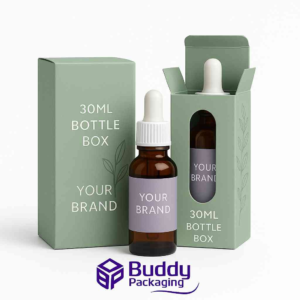
A well-designed packaging design box plays a powerful role in brand storytelling. When customers see a product for the first time, the packaging often determines whether they pick it up or ignore it. Strong visual branding, including colours schemes, typography, and imagery, immediately communicates brand personality.
Packaging also creates emotional connections. Premium brands often use minimalist designs with elegant textures to signal luxury. In contrast, eco-friendly brands rely on natural materials and earthy tones to highlight sustainability. Through design choices, companies shape customer expectations before the product is even opened.
Beyond aesthetics, packaging design boxes contribute to brand recognition. Consistent design elements across product lines allow customers to recognise a brand instantly on crowded shelves. When executed effectively, packaging becomes a silent salesperson that communicates value and reliability.
Design inspiration can come from many sources, including industry showcases such as box design inspiration available at. Exploring professional packaging examples helps designers understand how successful brands balance creativity and practicality.
Key Elements of an Effective Packaging Design Box
Visual Identity and Brand Consistency
Visual identity forms the foundation of a successful packaging design box. Colours schemes, logos, typography, and imagery should align with a company’s overall brand identity. When packaging matches brand messaging, customers experience a coherent and memorable interaction.
Colours psychology plays a crucial role in influencing consumer perception. Bright colours often attract attention and communicate energy, while neutral tones convey sophistication. The strategic use of colours ensures that the packaging appeals to the target audience and aligns with brand values.
Typography also impacts readability and perception. Clear fonts help communicate product information quickly, especially in retail environments where customers make rapid decisions. A balanced combination of typography and visual hierarchy ensures that essential details remain visible and appealing.
Structural Design and Product Protection
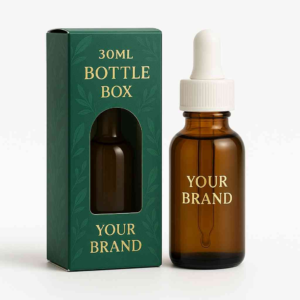
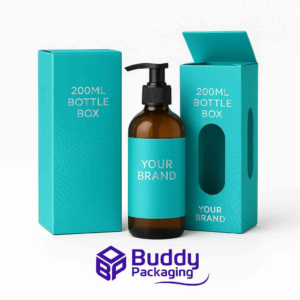
While visual design attracts customers, structural design ensures functionality. A packaging design box must protect the product during storage, transportation, and handling. Materials such as corrugated cardboard, rigid board, or kraft paper are chosen based on durability and sustainability.
Good structural design also enhances user experience. Easy-open boxes, magnetic closures, and custom inserts create a premium feel while keeping products secure. Thoughtful structural packaging reduces damage rates and improves customer satisfaction.
Many designers study professional resources and expert insights for improvement. Platforms offering Custom Boxes such as provide guidance on materials, layout, and creative packaging concepts used by leading brands.
Sustainability and Eco-Friendly Materials
Modern consumers are increasingly conscious of environmental impact. As a result, sustainable packaging design boxes are gaining popularity across industries. Businesses now prioritise recyclable materials, biodegradable inks, and minimal packaging waste.
Eco-friendly packaging not only reduces environmental impact but also strengthens brand reputation. Customers often prefer brands that demonstrate responsible environmental practices. Sustainable packaging therefore becomes both an ethical and strategic decision.
Designers must balance sustainability with functionality. Strong materials and efficient structures help reduce excess packaging while maintaining product safety. Many companies now incorporate reusable or multi-purpose packaging to extend the life cycle of packaging materials.
Packaging Design Box Trends Shaping Modern Brands
The packaging industry continues to evolve with changing consumer expectations and technological advancements. One of the most noticeable trends is minimalism. Clean layouts, simple typography, and subtle colours palettes create a sophisticated and modern appearance.
Another trend is personalised packaging. Brands increasingly customize packaging with unique messages or customer names to enhance engagement. Personalised packaging transforms an ordinary box into a memorable unboxing experience.
Digital integration also plays a growing role. QR codes and augmented reality elements allow customers to interact with packaging through smartphones. This interactive approach strengthens brand storytelling and provides additional product information.
In addition, experiential packaging has become a major marketing strategy. Creative unboxing experiences generate social media content, turning customers into brand ambassadors. When customers share unboxing videos online, packaging design boxes gain free exposure and visibility.
The Role of Packaging Design Box in E-Commerce
E-commerce has dramatically changed packaging requirements. Unlike retail packaging, online products travel long distances before reaching customers. Therefore, packaging design boxes must combine durability with visual appeal.
A memorable unboxing experience has become a key competitive advantage for online brands. Customers often share their unboxing experiences on social media platforms, making packaging part of digital marketing strategies. High-quality packaging can therefore increase brand visibility and customer loyalty.
Protective inserts, branded tissue paper, and printed messages add emotional value to deliveries. These details transform a simple shipping box into a personalised brand experience. As e-commerce continues to grow, packaging design becomes increasingly essential for building lasting customer relationships.
Businesses that want customers to easily locate their facilities can also integrate map references or contact information on packaging. For instance, including a location reference like Buddy Packaging Location can help customers quickly find a company’s physical store or distribution centre.
How to Create a High-Impact Packaging Design Box
Designing an effective packaging design box begins with understanding the target audience. Different demographics respond to different styles, materials, and messaging. Researching customer preferences ensures that packaging resonates with the intended market.
Next, designers must balance aesthetics with practicality. Packaging must look attractive while remaining cost-effective and functional. Testing different prototypes allows businesses to refine both visual design and structural performance.
Collaboration between designers, marketers, and manufacturers is also essential. Packaging decisions affect logistics, branding, and sustainability goals. When teams work together, the final packaging solution supports both marketing and operational objectives.
Finally, continuous improvement ensures long-term success. Brands should regularly review packaging performance, customer feedback, and emerging trends. Updating packaging designs keeps products fresh and competitive in evolving markets.
The Psychology Behind Packaging Design Box
Consumer psychology strongly influences packaging effectiveness. Studies show that customers form opinions about a product within seconds of seeing its packaging. This rapid judgment highlights the importance of clear visual communication.
Luxury packaging often uses heavier materials and textured finishes to signal exclusivity. Conversely, lightweight recyclable packaging communicates affordability and sustainability. These subtle cues guide customer perception even before they examine the product itself.
Packaging also triggers emotional responses through colours and imagery. Warm colours create excitement, while cooler tones evoke calmness and reliability. By understanding these psychological triggers, brands can design packaging that connects with customers on a deeper level.
The unboxing process further reinforces emotional engagement. Carefully layered packaging elements create anticipation and excitement. This emotional journey strengthens brand memory and encourages repeat purchases.
A packaging design box is no longer just a protective container. It has evolved into a powerful marketing tool that shapes brand identity, customer perception, and purchasing decisions. Effective packaging combines visual appeal, structural functionality, and sustainability to deliver a memorable brand experience.
As consumer expectations continue to rise, businesses must treat packaging as a strategic investment. Creative design, thoughtful materials, and engaging unboxing experiences can significantly enhance product value and brand loyalty.
If your brand wants to stand out in today’s competitive market, investing in professional packaging design is essential. A well-designed packaging box can transform ordinary products into unforgettable customer experiences and drive long-term business growth.
Frequently Asked Questions (FAQs)
What is a packaging design box?
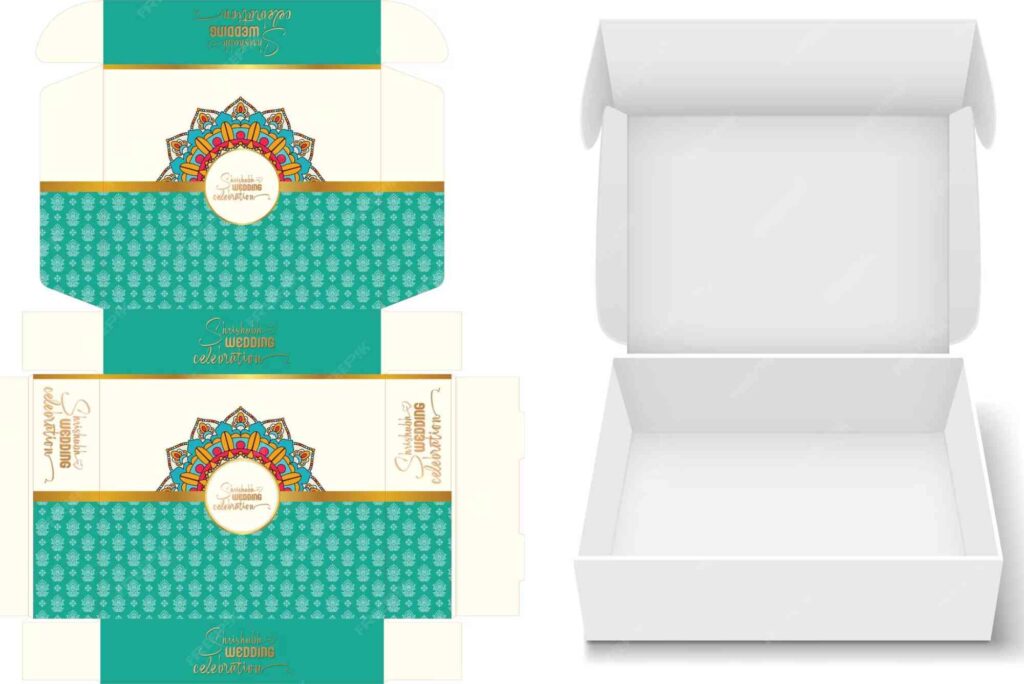
A packaging design box refers to the visual and structural design of product packaging. It includes graphics, materials, and layout used to protect and present a product.
Why is packaging design important for branding?
Packaging design influences customer perception and purchasing decisions. Attractive packaging helps brands stand out, communicate value, and create memorable experiences.
What materials are commonly used in packaging design boxes?
Common materials include cardboard, corrugated board, kraft paper, rigid board, and eco-friendly biodegradable materials.
How does packaging design affect customer behaviour?
Packaging influences emotional responses, brand perception, and product expectations. Eye-catching packaging often increases the likelihood of purchase.
What are the latest packaging design trends?
Current trends include sustainable packaging, minimalist designs, personalised packaging, and interactive elements such as QR codes.