Introduction
Packaging medicine box design plays a critical role in the pharmaceutical industry. It is not just about protecting medicines; it also ensures safety, compliance, and brand recognition. In modern healthcare markets, packaging must deliver clear information while maintaining high safety standards.
A well-planned packaging medicine box design helps pharmaceutical companies protect delicate products from contamination, moisture, and physical damage. At the same time, it communicates vital information such as dosage, expiry dates, and safety warnings.
Today’s competitive pharmaceutical market demands packaging that is both functional and visually trustworthy. Effective medicine box packaging builds confidence in patients, pharmacists, and healthcare professionals. When designed properly, it becomes an essential part of product identity and patient safety.
The Importance of Packaging Medicine Box Design in the Pharmaceutical Industry
Packaging medicine box design is essential for ensuring the safe distribution and storage of pharmaceutical products. Medicines are sensitive to environmental conditions such as light, heat, and humidity. Packaging protects the product throughout the supply chain.
A well-designed medicine box also communicates trust. When consumers see clear instructions, professional branding, and organised information, they are more confident about using the medication. This is especially important for over-the-counter products that patients select without direct medical supervision.
In addition, pharmaceutical packaging must comply with strict regulations. Authorities require specific labelling details including ingredients, dosage instructions, manufacturing details, and warnings. A thoughtful packaging medicine box design ensures all required information is presented clearly and accurately.
Key Elements of Effective Packaging Medicine Box Design
Protection and Product Safety
The primary purpose of packaging medicine box design is product protection. Medicines must remain stable from manufacturing to patient use. Packaging materials such as cardboard, coated paperboard, or specialised pharmaceutical cartons help prevent damage during transportation.
Proper structural design also ensures tamper resistance. Features such as safety seals or locking flaps reassure consumers that the medicine has not been altered. These design features enhance both safety and consumer trust.
Furthermore, good packaging protects medicines from environmental exposure. Many medications degrade when exposed to moisture or sunlight. High-quality packaging materials and coatings help maintain the medicine’s effectiveness.
Clear Information and Readability
Clear communication is a core component of packaging medicine box design. Patients rely on packaging to understand how and when to take medication. If the information is difficult to read, it may lead to misuse.
Designers must prioritise readable typography, logical layout, and sufficient contrast. Important details such as dosage instructions and warnings should stand out immediately. This reduces the risk of medication errors.
Additionally, regulatory compliance demands accurate labelling. Pharmaceutical packaging must include batch numbers, expiry dates, and manufacturer details. A structured design ensures these details remain visible and accessible.
Branding and Product Identity
Although safety is the priority, branding also plays an important role in packaging medicine box design. Pharmaceutical companies use packaging to build recognition and trust among consumers.
Colours, logos, and typography help create a consistent brand identity across multiple products. When customers recognise a brand’s packaging style, it strengthens credibility and familiarity.
Modern packaging design also considers emotional impact. Calm colours, clean layouts, and professional imagery create a reassuring appearance. Patients feel more confident when the packaging appears reliable and professional.
Materials Used in Packaging Medicine Box Design
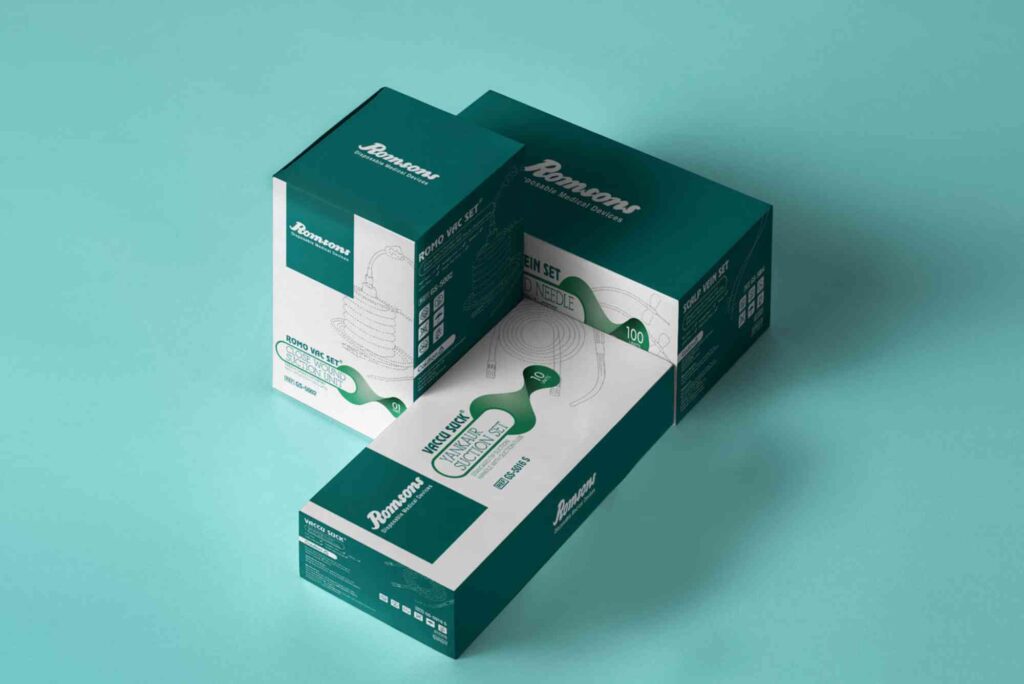
Selecting the right materials is crucial for pharmaceutical packaging. Cardboard cartons are widely used because they are lightweight, durable, and easy to print on. They also allow manufacturers to present detailed product information.
Sustainability has become an important consideration in packaging medicine box design. Many pharmaceutical companies now choose recyclable materials to reduce environmental impact. Eco-friendly packaging aligns with modern consumer expectations and environmental regulations.
Packaging materials must also meet pharmaceutical safety standards. This ensures that the materials do not react with the medicine inside. Choosing the right material guarantees both product integrity and patient safety.
Businesses seeking tailored pharmaceutical packaging often rely on specialised providers offering Custom Boxes solutions that meet both regulatory and branding requirements while maintaining structural durability.
Structural Design Considerations for Medicine Packaging
The structural design of a medicine box affects both usability and protection. A well-structured box allows pharmacists and patients to open and close it easily without damaging the contents.
Designers also consider how packaging fits into supply chain logistics. Efficient packaging dimensions allow medicines to be stacked and transported safely. This reduces the risk of damage during shipping.
Another important aspect of packaging medicine box design is space management. The box must accommodate blister packs, bottles, or leaflets without unnecessary empty space. Efficient internal design improves product stability and presentation.
The Role of Graphic Design in Pharmaceutical Packaging
Graphic design is essential in making packaging medicine box design both functional and visually appealing. A carefully balanced layout ensures that key information remains accessible while the packaging still looks professional.
Colours selection is particularly important in pharmaceutical packaging. Many brands use colours coding to distinguish different strengths or variations of a medicine. This makes it easier for pharmacists and patients to identify the correct product quickly.
Typography is another crucial element. Clear, legible fonts ensure that important instructions remain readable even for elderly patients. Designers often follow specialised box design tips used by professional packaging experts to maintain readability and regulatory compliance.
Compliance and Regulatory Requirements
Pharmaceutical packaging must comply with strict health and safety regulations. Regulatory authorities require clear labelling, safety warnings, and product traceability information.
Packaging medicine box design must therefore accommodate extensive regulatory text without overwhelming the user. Designers use structured layouts to organise information effectively.
Another regulatory consideration is child-resistant packaging. Certain medications require special packaging mechanisms that prevent accidental access by children. This adds another layer of safety for households.
Compliance ensures that medicines reach consumers safely and responsibly. Without proper packaging design, pharmaceutical companies risk both legal penalties and patient safety issues.
Sustainability in Packaging Medicine Box Design
Sustainability is becoming increasingly important in the pharmaceutical packaging industry. Many companies are adopting environmentally friendly materials and reducing excess packaging.
Recyclable cartons, biodegradable inks, and minimalistic packaging designs help reduce environmental impact. These practices also appeal to environmentally conscious consumers.
Packaging medicine box design now balances safety, branding, and sustainability. Manufacturers must ensure that eco-friendly materials still meet strict pharmaceutical protection standards.
Companies investing in sustainable packaging often highlight their responsible manufacturing practices. This strengthens brand reputation while contributing to environmental protection.
Digital Printing and Modern Packaging Technology
Advances in printing technology have significantly improved packaging medicine box design. Digital printing allows manufacturers to produce highly detailed graphics with consistent quality.
This technology also supports smaller production runs. Pharmaceutical companies can update packaging quickly when regulations change or new product information becomes available.
Smart packaging is another emerging trend. QR codes printed on medicine boxes allow consumers to access digital instructions, safety information, and product verification tools.
These innovations enhance patient engagement and improve transparency within the pharmaceutical supply chain.
Choosing the Right Packaging Partner
Selecting the right packaging partner is essential for successful packaging medicine box design. Experienced packaging manufacturers understand both regulatory requirements and design principles.
They can provide guidance on materials, printing methods, and structural design. This ensures that the final packaging meets safety standards while supporting branding goals.
Businesses often collaborate with packaging specialists who offer customized solutions tailored to specific pharmaceutical products. Visiting trusted packaging providers or their facilities, such as the Buddy Packaging Location, can help companies evaluate their production capabilities and quality standards.
Future Trends in Packaging Medicine Box Design
The future of packaging medicine box design is shaped by innovation and sustainability. Pharmaceutical companies are exploring smarter packaging solutions that improve safety and transparency.
Interactive packaging features such as authentication codes help prevent counterfeit medicines. These technologies protect both consumers and pharmaceutical brands.
Sustainability will also continue to influence packaging development. Manufacturers are investing in recyclable materials and reduced packaging waste while maintaining product safety.
As healthcare evolves, packaging design will remain a critical part of pharmaceutical product delivery.
Packaging medicine box design is far more than a protective container. It is an essential component of pharmaceutical safety, communication, and branding. Effective packaging ensures medicines remain protected while providing clear guidance to patients.
A successful packaging design balances protection, compliance, readability, and sustainability. When these elements work together, pharmaceutical companies can build trust with healthcare professionals and consumers.
Businesses looking to improve their pharmaceutical packaging should invest in professional design and high-quality materials. The right packaging strategy strengthens brand reputation while ensuring patient safety.
If your business is developing pharmaceutical products, now is the time to focus on professional packaging solutions. Well-designed medicine boxes not only protect the product but also enhance credibility and customer confidence.
FAQ – Packaging Medicine Box Design
Why is packaging medicine box design important?
Packaging medicine box design ensures medicines remain safe, protected, and clearly labelled. It also helps patients understand dosage instructions and safety information.
What materials are used in medicine box packaging?
Most pharmaceutical packaging uses cardboard or paperboard cartons. These materials are durable, lightweight, and suitable for printing detailed information.
How does packaging design improve medication safety?
Clear instructions, readable fonts, and structured layouts reduce the risk of medication errors. Tamper-evident packaging also protects consumers from contamination.
Are sustainable materials used in pharmaceutical packaging?
Yes. Many pharmaceutical companies now use recyclable and eco-friendly materials to reduce environmental impact while maintaining safety standards.
What information must appear on a medicine box?
A medicine box typically includes dosage instructions, ingredients, expiry date, batch number, and manufacturer details. Regulatory authorities require this information for patient safety.