Introduction
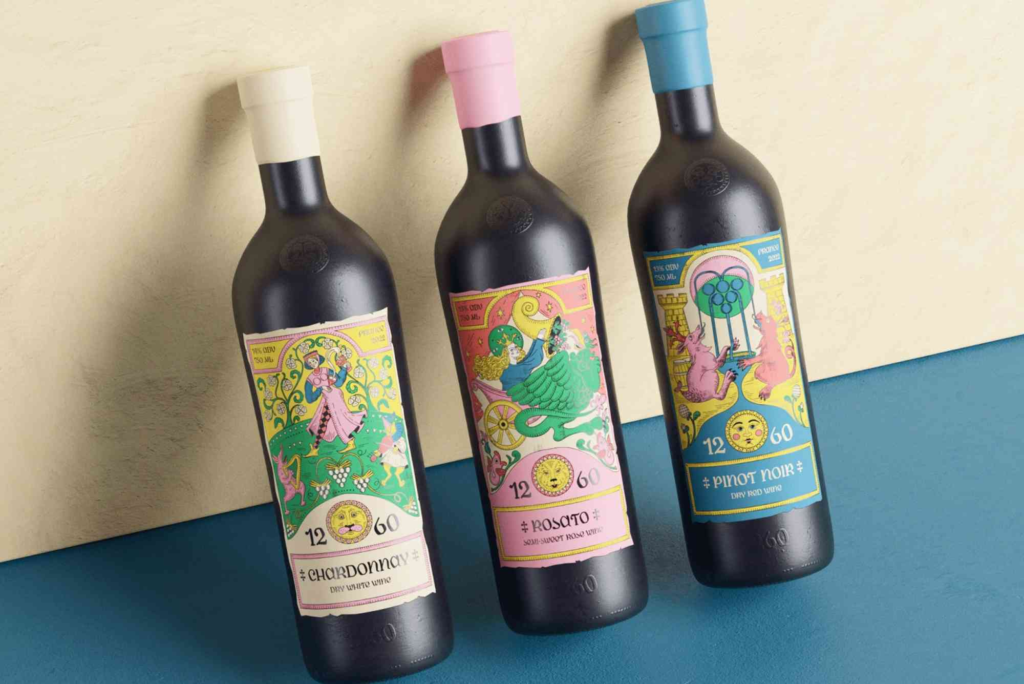
In the crowded alcohol market, a standout alcohol bottle label design can make or break a product’s success. A well-crafted label does more than provide legal information—it communicates brand identity, evokes emotions, and entices consumers to pick your bottle off the shelf. This guide dives into the principles, trends, and techniques of alcohol label design, ensuring your bottles leave a lasting impression.
Why Alcohol Bottle Label Design Matters
Branding and Recognition
Your label is the first impression of your brand. A unique design helps consumers identify your product in stores and online, building loyalty over time. Incorporating consistent typography, colour schemes, and imagery ensures brand recognition and communicates professionalism.
Consumer Psychology
Colorus, textures, and fonts can influence purchasing decisions. For example, metallic foils suggest luxury, while earthy tones convey craft and authenticity. Understanding how design elements affect perception allows brands to target their ideal audience effectively.
Legal Compliance
Every alcohol bottle label must include required information, such as alcohol content, health warnings, and origin. Balancing compliance with creativity is crucial to avoid legal issues while maintaining an attractive design.
Elements of Effective Alcohol Bottle Label Design
Typography
Font choice defines a brand’s voice. Serif fonts often signal tradition and sophistication, while sans-serif fonts suggest modernity and minimalism. Ensure readability, especially for small text detailing legal information.
Colour Palette
Colours evoke emotions and create associations. Warm tones like red and amber suggest boldness, while blues and greens can signal freshness or premium quality. Keep your target audience and product positioning in mind when selecting a palette.
Imagery and Graphics
Illustrations, icons, or photography add visual interest. For inspiration, check out label design inspiration to see how other brands combine imagery with storytelling.
Material and Finish
The label material impacts tactile experience. Matte finishes feel understated and classy, while glossy or textured labels add luxury appeal. Embossing, foiling, or varnish can elevate the perceived value of your alcohol product.
Trends in Alcohol Bottle Label Design
Minimalist Labels
Sleek, minimalistic designs emphasize clarity and elegance. These labels rely on negative space, clean fonts, and subtle colours to communicate sophistication.
Vintage and Retro
Nostalgic designs evoke a sense of heritage. Hand-drawn illustrations, retro typography, and classic layouts appeal to customers seeking authenticity.
Interactive and QR-enabled Labels
Modern consumers love engagement. Labels with QR codes or AR experiences allow brands to share stories, cocktail recipes, or promotional campaigns directly through the bottle.
Eco-Friendly Materials
Sustainability is increasingly important. Labels printed on recycled or biodegradable materials attract environmentally conscious buyers and enhance brand reputation.
Designing for Different Alcohol Types
Wine Bottle Labels
Wine labels often emphasize storytelling, terroir, and elegance. Large, legible brand names paired with subtle illustrations or foil accents work well for premium wines.
Beer Bottle Labels
Craft beer labels are more playful and experimental. Bold typography, vibrant colours, and quirky illustrations can reflect the brand’s creativity and target younger audiences.
Spirits Bottle Labels
Spirits like whiskey, gin, or vodka benefit from luxurious and tactile designs. Embossed lettering, metallic foils, and thick paper labels create a premium feel.
The Alcohol Label Design Process
Research and Inspiration
Study competitor labels and industry trends. Explore label design inspiration to identify creative approaches that align with your brand identity.
Concept Development
Sketch ideas and experiment with colour, fonts, and imagery. Consider how the label will appear on different bottle shapes and sizes.
Prototyping and Testing
Print mock-ups to assess readability, colour accuracy, and overall aesthetics. Test your designs in realistic lighting to ensure they stand out on shelves.
Final Production
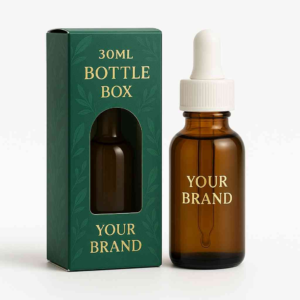
Work with a reliable packaging partner to produce high-quality labels. Consider customisation options, finishes, and protective coatings to ensure durability. For premium packaging solutions, explore Custom Bottle Boxes for an added touch of elegance.
Enhancing Shelf Appeal
Cohesive Branding
Ensure labels complement your bottle shape, cap design, and box packaging. A consistent visual identity strengthens brand recall.
Eye-Level Placement
Design labels that are easily readable at eye level on store shelves. Important elements like brand name, product type, and key selling points should be instantly visible.
Unique Packaging
Consider integrating bottles with unique shapes or textures, combined with custom boxes, to enhance shelf differentiation. Learn more about Buddy Packaging Location for local packaging solutions.
Common Mistakes to Avoid
- Overcrowding: Too much information or decoration can confuse customers.
- Ignoring Target Audience: Design should resonate with your ideal buyer, not just what looks trendy.
- Poor Colour Contrast: Low readability can deter potential buyers.
- Neglecting Legal Info: Missing mandatory details can result in fines or recalls.
FAQs
What size should an alcohol bottle label be?
Label size depends on bottle shape and volume. Standard wine labels are often 3.5” x 4” (front) and 3” x 3” (back), but craft bottles may require custom dimensions.
Can I print alcohol labels at home?
Home printing is possible for prototypes, but professional printing ensures durability, colour accuracy, and compliance with alcohol labeling laws.
How much does alcohol label design cost?
Costs vary based on design complexity, materials, and finishes. Freelance designers may charge $200–$1,000 per label, while agencies offer premium packages.
Are there trends for eco-friendly alcohol labels?
Yes, recycled paper, soy-based inks, and biodegradable adhesives are increasingly popular. They appeal to environmentally conscious consumers and enhance brand reputation.
How do I protect my label from moisture or damage?
Use protective coatings, laminates, or waterproof materials. Bottles intended for refrigeration or outdoor storage benefit from durable, water-resistant labels.
A compelling alcohol bottle label design is more than decoration—it’s a strategic marketing tool that communicates brand identity, attracts consumers, and increases sales. By focusing on typography, colour, imagery, and material, brands can create labels that stand out on crowded shelves.