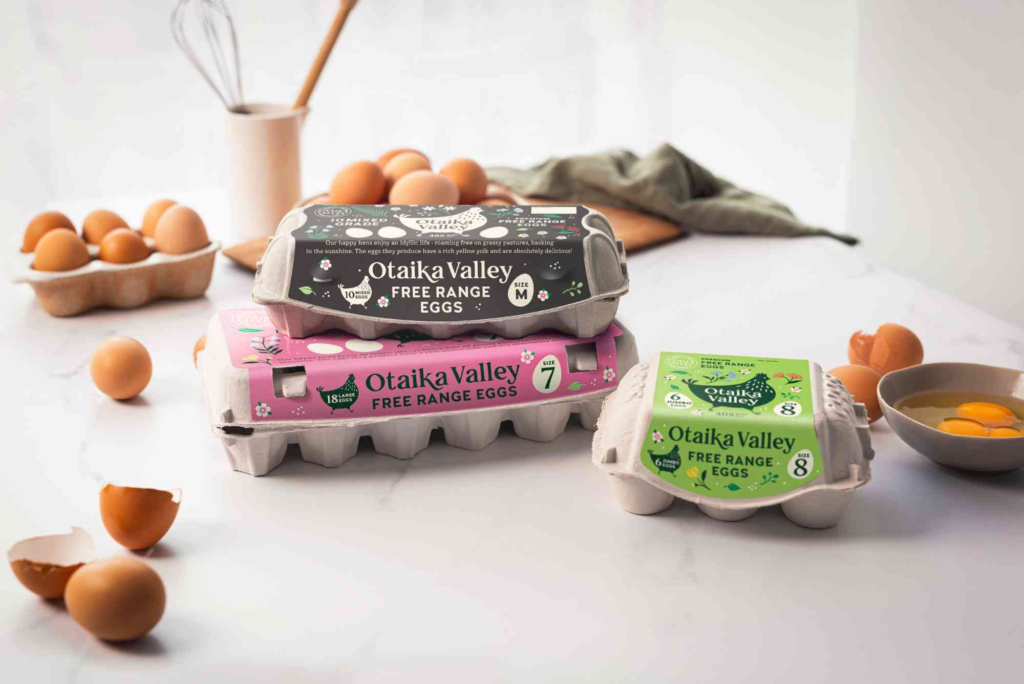
Egg Carton Label Design: A Complete Guide to Standout Packaging
In the competitive world of food packaging, the egg carton label design plays a crucial role in attracting customers and conveying brand values. A well-designed label doesn’t just protect and inform—it tells a story about freshness, quality, and sustainability. Whether you’re a small farm, an artisanal egg producer, or a supermarket brand, investing in smart, eye-catching packaging can significantly increase consumer trust and sales.
This guide will explore everything you need to know about designing egg carton labels that stand out, while also offering practical tips, design inspiration, and expert advice to elevate your product’s shelf appeal.
Why Egg Carton Label Design Matters
A strong egg carton label design serves multiple purposes beyond mere decoration.
Branding and Recognition
Your label is the first thing customers notice. Clear typography, distinctive colours, and unique logos help your eggs become instantly recognizable. A cohesive design can build brand loyalty, making consumers choose your eggs over generic options.
Compliance and Information
Labels also carry essential information—egg size, expiration date, nutritional facts, and certifications like organic or free-range. A clean, readable layout ensures customers can find the info they need quickly, while maintaining a professional appearance.
Influence on Buying Decisions
Studies show that visually appealing packaging can sway purchase decisions, even when product quality is similar. Bright, eco-friendly designs or innovative textures can create a premium feel, influencing buyers subconsciously.
Key Elements of Egg Carton Label Design
A well-crafted egg carton label balances creativity with functionality. Here are the core components to focus on:
Colour Palette
Choose colours that reflect your brand identity and the product’s values. For example, earthy tones communicate organic, farm-fresh eggs, while bold, bright colours can appeal to families and children. Consider colour psychology to evoke trust, freshness, and appetite appeal.
Typography
Legibility is crucial. Use clear fonts for essential information such as weight, price, and expiration date. Combining one decorative font for branding with a simple font for details often works best.
Imagery and Graphics
Visual elements like eggs, hens, or farm landscapes add storytelling power. High-quality illustrations or subtle patterns can make the label look premium. For design ideas, browse label design inspiration.
Material and Finish
Labels can be printed on matte, glossy, or textured paper. Eco-friendly materials appeal to sustainability-conscious buyers and reinforce a premium, responsible brand image.
QR Codes and Interactive Elements
Adding a QR code linking to recipes, farm stories, or sustainability practices can enhance engagement and offer a modern touch. This not only provides value but also builds trust and transparency.
Tips for Creating a High-Impact Egg Carton Label
Here’s how to ensure your egg carton label design is both attractive and effective:
Keep It Simple
Avoid overcrowding. Focus on your brand logo, product name, and key certifications. A clean layout communicates professionalism.
Highlight Unique Selling Points
Whether your eggs are organic, free-range, or locally sourced, make it prominent on the label. Customers quickly scan for these qualities.
Test Label Sizes
Egg cartons come in different formats—6, 12, or specialty packs. Make sure your design scales well and remains readable on each size.
Use Custom Labels
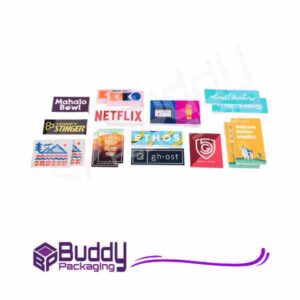
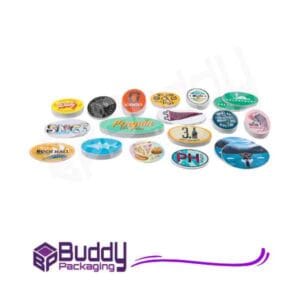
Custom stickers can help you easily switch promotions or seasonal designs without reprinting entire cartons. Check out Custom Labels for options suitable for egg packaging.
Common Mistakes to Avoid
Even experienced designers sometimes make errors that reduce the effectiveness of a label.
Ignoring Regulatory Requirements
Always include mandatory information like expiration dates and nutritional facts. Omitting these can lead to legal issues.
Overcomplicating the Design
Too many colours, fonts, or graphics can overwhelm the consumer. Keep it visually balanced.
Forgetting the Target Audience
Designing without considering who buys your eggs can lead to misaligned branding. Families, chefs, or health-conscious consumers all respond differently to visual cues.
Tools and Resources for Label Design
Modern design tools make it easier than ever to craft professional egg carton labels:
- Adobe Illustrator & Photoshop: Ideal for creating detailed, print-ready labels.
- Canva: Beginner-friendly and offers pre-made templates.
- Online Inspiration: Browse sites like label design inspiration for creative ideas.
- Local Printing Services: Partnering with a professional service like Buddy Packaging Location ensures quality printing and finishes.
A compelling egg carton label design is more than just packaging—it’s a marketing tool, a branding asset, and a trust builder. By choosing the right colours, typography, materials, and design elements, you can make your eggs stand out on crowded shelves, appeal to your target audience, and communicate your brand values effectively.
FAQs
What size should an egg carton label be?
The size depends on the carton—typically 6-12 eggs use labels ranging from 3×2 inches to full-cover wraps. Always measure your cartons first.
What materials are best for egg carton labels?
Eco-friendly paper or matte finishes work well. Waterproof or coated materials are ideal for refrigerated storage.
How can I make my egg carton labels more attractive?
Use bold colours, clear typography, and high-quality illustrations. Highlight your product’s unique selling points and certifications.
Can I use custom labels for seasonal promotions?
Yes! Custom stickers allow you to update designs without reprinting cartons. See options at Custom Labels.
Where can I find egg carton label design inspiration?
Browse professional design showcases at label design inspiration for ideas and trends.