Introduction
Bag printing design plays a vital role in modern branding and packaging strategies. Businesses today understand that packaging is more than just protection for products. It is also a powerful marketing tool that communicates brand identity and values. A well-crafted bag printing design can turn ordinary packaging into a moving advertisement that attracts customers and strengthens brand recognition.
Retailers, e-commerce brands, and event organisers increasingly rely on customised bags to promote their identity. Whether used in shops, exhibitions, or deliveries, printed bags represent the brand long after a purchase. Because of this, investing time and creativity in bag printing design can significantly improve brand visibility and customer experience.
Why Bag Printing Design Matters for Businesses
In a competitive marketplace, businesses must stand out visually. Packaging is often the first physical interaction customers have with a brand. Therefore, bag printing design becomes an essential element of brand communication.
A professionally designed bag does more than carry products. It communicates quality, professionalism, and attention to detail. When customers carry a beautifully printed bag through a shopping centre or public area, it effectively becomes mobile advertising for the business.
Furthermore, consumers are becoming more conscious about sustainability and design aesthetics. A thoughtful bag printing design that includes eco-friendly materials and elegant branding can influence purchasing decisions. This is particularly true for retail, fashion, and boutique businesses where presentation matters greatly.
Key Elements of an Effective Bag Printing Design
Designing a successful printed bag requires careful planning and creativity. Businesses must consider several important elements that work together to create a strong visual impression.
Brand Identity and Logo Placement
Brand identity is the foundation of any bag printing design. The logo, colours, and typography must align with the overall branding of the business. Consistency across packaging, websites, and promotional materials helps build trust and recognition.
Logo placement is equally important. It should be positioned where it remains visible even when the bag is folded or partially covered. Designers often place the logo in the centre or upper portion of the bag to ensure maximum exposure.
Colour Psychology and Visual Appeal
Colour choices play a significant role in attracting attention and communicating emotions. Bright colours often create energy and excitement, while neutral tones convey elegance and simplicity.
Businesses should select colours that match their brand identity while also appealing to their target audience. Fashion brands may choose stylish, minimalist tones, while food or lifestyle brands often use vibrant colours to stimulate interest.
In bag printing design, colour contrast is essential. A clear contrast between the background and text improves readability and visual impact.
Typography and Messaging
Typography is another critical aspect of bag printing design. Fonts should be clear, readable, and consistent with brand personality. Modern brands often use clean sans-serif fonts to achieve a contemporary look.
Some companies also add short taglines or brand messages on their bags. These messages should be brief and memorable. A strong tagline can reinforce brand values and encourage customers to remember the business.
Layout and Visual Balance
A well-balanced layout ensures the design looks professional and organised. Too many design elements can create clutter and reduce visual impact. Instead, designers focus on simplicity and strategic spacing.
White space plays a vital role in bag printing design. Leaving enough space around logos and text improves clarity and sophistication.
Choosing the Right Materials for Bag Printing
The material used for bags affects both durability and printing quality. Businesses must choose materials that support their design goals and environmental commitments.
Paper Bags
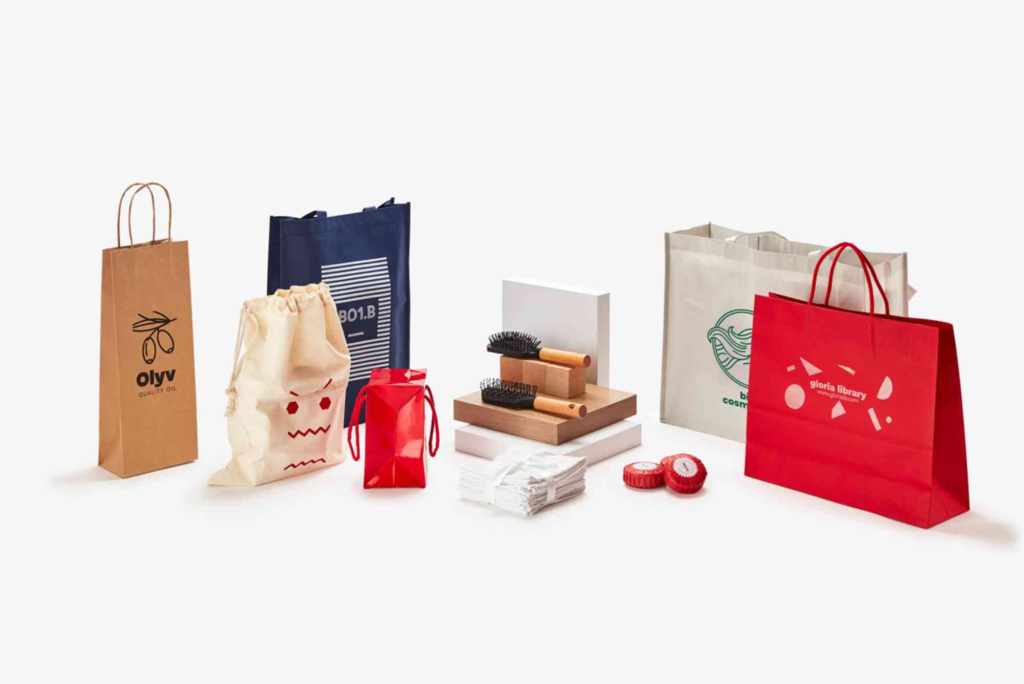
Paper bags are widely used in retail and fashion stores. They offer excellent print quality and provide a premium look. Thick kraft paper bags also support eco-friendly branding because they are recyclable and biodegradable.
High-quality paper bags allow vibrant colours and sharp graphics. This makes them ideal for businesses that want detailed bag printing design.
Fabric Bags
Fabric bags, such as cotton or canvas bags, are popular for reusable packaging. Many companies use them as promotional items because customers often keep them for long periods.
A fabric bag with strong bag printing design can promote a brand repeatedly. Every time a customer uses the bag, the brand receives additional exposure.
Plastic Bags
Although plastic bags remain common in many markets, environmental concerns have encouraged businesses to reduce their usage. However, some recyclable plastic options still exist for brands that require waterproof packaging.
Printing on plastic bags requires specialised techniques to ensure the design remains sharp and durable.
Printing Techniques Used in Bag Printing Design
Different printing methods produce different visual effects. Selecting the right technique ensures the final design meets quality expectations.
Screen Printing
Screen printing is one of the most traditional techniques used in bag printing design. It works well for simple designs with limited colours. The method produces bold and durable prints that remain visible for a long time.
Many promotional fabric bags use screen printing because it is cost-effective and reliable.
Digital Printing
Digital printing allows complex designs and multiple colours. It is perfect for detailed artwork and photographic images. Businesses that require vibrant and modern bag printing design often prefer digital printing methods.
Another advantage of digital printing is its flexibility for smaller production runs.
Offset Printing
Offset printing is commonly used for high-quality paper bags. It provides exceptional colour accuracy and sharp detail. Luxury brands often choose this technique to achieve premium packaging results.
Sustainable Trends in Bag Printing Design
Sustainability has become one of the most influential trends in packaging. Consumers increasingly prefer brands that demonstrate environmental responsibility.
Many companies now choose recycled paper, biodegradable materials, and reusable bags. These choices reduce environmental impact while enhancing brand reputation.
Eco-friendly bag printing design also focuses on minimal ink usage and water-based printing methods. By reducing chemical usage, businesses can create packaging that is both attractive and environmentally conscious.
For companies investing in Custom Packaging, sustainable bag printing design offers a powerful way to communicate ethical values while maintaining strong branding.
How Bag Printing Design Supports Marketing
Marketing strategies today rely heavily on visual storytelling. Packaging plays an important role in communicating brand personality and attracting attention.
A distinctive bag printing design helps businesses stand out in busy retail environments. Customers often notice unique packaging before they even look at the product itself.
Printed bags also encourage word-of-mouth marketing. When shoppers carry branded bags in public spaces, they expose the brand to new audiences. This type of passive advertising can be extremely effective.
In addition, social media has amplified the value of creative packaging. Customers frequently share attractive packaging online, providing free promotion for the brand.
For designers who want to refine their skills, studying professional print & finishing insights can provide valuable inspiration and technical guidance.
Common Mistakes in Bag Printing Design
Even experienced businesses sometimes make mistakes when designing printed bags. Understanding these common issues helps avoid costly redesigns.
One frequent problem is overcrowded design. Too many graphics, colours, or messages can confuse customers and weaken brand identity.
Another issue involves poor logo placement. If the logo is too small or positioned incorrectly, it may become invisible when the bag is in use.
Low-resolution artwork is another common mistake. High-quality printing requires high-resolution design files to ensure sharp results.
Finally, ignoring material limitations can lead to disappointing outcomes. Designers must always consider how colours and graphics appear on different bag materials.
Future Trends in Bag Printing Design
The future of bag printing design is evolving alongside technology and sustainability trends. Businesses are exploring new creative possibilities to enhance packaging experiences.
One growing trend involves interactive packaging. QR codes printed on bags allow customers to access websites, promotions, or brand stories instantly.
Minimalist design is also gaining popularity. Clean layouts with subtle colours and simple logos often appear more elegant and modern.
Another trend focuses on reusable packaging. Durable printed bags encourage customers to reuse them, increasing brand exposure while supporting eco-friendly practices.
Digital printing technologies will continue to expand creative freedom. Designers will have more options to experiment with textures, colours, and personalised designs.
Bag printing design has become an essential part of modern branding and marketing. A well-designed printed bag does more than hold products. It represents the brand’s personality, values, and professionalism.
Businesses that invest in thoughtful bag printing design gain long-term benefits. Their packaging attracts attention, improves brand recognition, and enhances customer experience. When combined with quality materials and sustainable practices, printed bags can become powerful marketing tools.
If your business wants to strengthen its brand presence, consider upgrading your bag printing design today. Creative packaging can transform ordinary shopping bags into memorable brand ambassadors.
If you’re interested in turning creative ideas into physical objects, this 3D Printing Design Tutorial offers a practical starting point. It explains the basics of designing models, choosing the right software, and preparing files for successful printing. Whether you are a beginner or looking to refine your skills, this guide provides clear steps to help you understand the design process and achieve better 3D printing results.
FAQs
What is bag printing design?
Bag printing design refers to the process of creating graphics, logos, and text that are printed onto bags for branding or promotional purposes.
What materials are best for printed bags?
Paper, cotton, canvas, and recyclable plastic are common materials used in bag printing design. The best choice depends on brand goals and sustainability preferences.
Which printing technique is best for bag printing?
Screen printing works well for simple designs, while digital and offset printing are better for complex or colourful artwork.
Why is bag printing design important for branding?
A well-designed printed bag increases brand visibility, improves customer perception, and turns packaging into mobile advertising.
Are eco-friendly printed bags popular?
Yes. Many brands now choose recyclable or reusable materials because customers increasingly prefer environmentally responsible packaging.