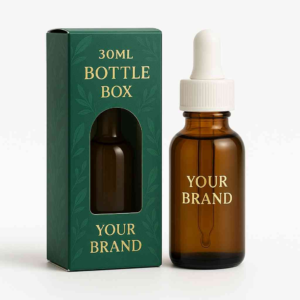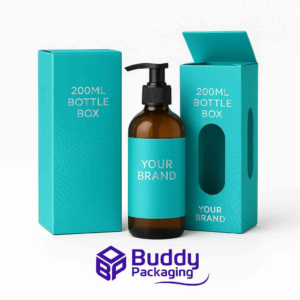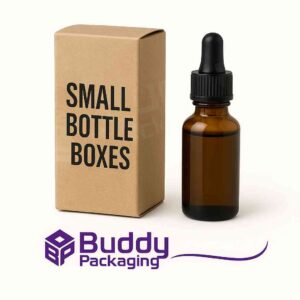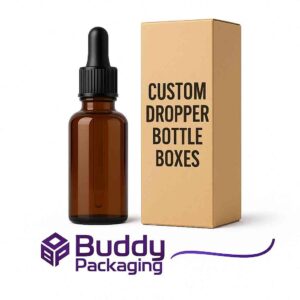
Water Bottle Box Design: The Ultimate Guide to Packaging That Performs
In a crowded marketplace, water bottle box design plays an essential role in protecting products and telling a brand’s story. Whether you sell single bottles, gift sets, or premium reusable bottles, packaging influences customer perception and purchase decisions. A strong design balances structure, sustainability, and aesthetics while communicating quality. This comprehensive guide explores everything you need to know about water bottle box design, from materials and dielines to branding and trends. By the end, you will understand how to create packaging that delights customers and drives results.
Introduction to Water Bottle Box Design
Water bottle box design is more than just creating a container. It’s about solving functional challenges and capturing attention. Effective packaging protects fragile contents, enhances unboxing experiences, and aligns with brand values. In today’s eco-conscious world, consumers expect packaging that minimises waste and communicates transparency. This guide covers design fundamentals so you can approach your next project with confidence.
The focus keyword water bottle box design will appear naturally throughout this article, helping you understand core concepts and practical applications.
Why Water Bottle Box Design Matters
Protection and Functionality
At the most basic level, packaging must protect its contents. Water bottles, especially glass ones, are susceptible to damage during transit. A thoughtful box design uses inserts, cushioning, and structural integrity to prevent breakage. Even reusable metal bottles benefit from sturdy packaging that avoids scratches and dents.
Protection builds trust. Customers who receive their order intact are more likely to become repeat buyers.
Brand Communication
Packaging is an extension of your brand. It tells customers what you stand for before they even open the box. Cohesive design elements like colour palettes, typography, and finishes communicate brand personality. Whether your brand is premium, minimalist, or eco-friendly, packaging conveys that message instantly.
Using high-quality graphics and clear messaging enhances recognition across retail shelves and e-commerce platforms.
User Experience
User experience includes unboxing and everyday use. Easy-open designs and reusable features add value. Thoughtful details like handles or compartments improve convenience. Strong water bottle box design delights users and encourages social sharing, which can increase organic reach.
Core Elements of Effective Water Bottle Box Design
Materials Selection
Choosing the right materials affects cost, sustainability, and functionality. Common options include:
Corrugated Cardboard: Strong and versatile, ideal for shipping bottles safely. It resists crushing and can support inserts.
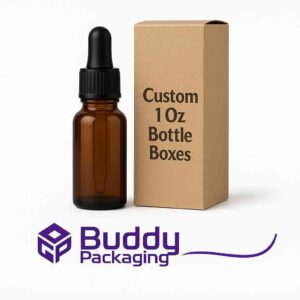
Kraft Paperboard: Eco-conscious option with a natural look. Perfect for printed logos and minimalistic designs.
Rigid Boxes: Premium choice for gift sets or high-end bottles. They offer excellent durability and unboxing appeal.
Selecting sustainable materials can also improve your environmental credentials. Consumers increasingly value brands that reduce plastic and waste.
Structural Design & Dielines
A dieline is a flat template that shows where a box will be cut and folded. A precise dieline ensures your water bottle box design functions properly. It must consider:
Dimensions: The box must fit the bottle snugly to prevent movement.
Closure Mechanism: Options include tuck tops, magnetic closures, and fold-in flaps.
Inserts: Custom inserts secure one or more bottles and add a professional touch.
Work with experienced designers or suppliers to finalise dielines. Minor errors can lead to costly production mistakes.
Graphic Design & Branding
Graphics bring your water bottle box design to life. They should reflect your brand’s identity and appeal to your target audience. Key considerations include:
Logo Placement: Place your logo where it is visible yet balanced.
Colour Scheme: Use brand colours to create visual continuity.
Typography: Choose fonts that are readable and on-brand.
Visual hierarchy guides the eye. Highlight essential information like product name, benefits, and sustainability credentials.
Sustainability Considerations
Consumers expect eco-friendly packaging. A sustainable water bottle box design includes:
Recyclable Materials: Use materials recognised by recycling facilities.
Minimal Ink Usage: Reduce printing where possible to lower environmental impact.
Reusable Features: Encourage reuse, for example, by designing the box to serve as storage.
Communicate these choices on the packaging itself. Transparency builds consumer trust and loyalty.
Print & Finishing Insights
The final presentation of your water bottle box design depends on print and finishing processes. High-quality printing ensures colours stay true and logos pop. Finishes like matte, gloss, or soft-touch lamination add texture and enhance unboxing. Consider finishes that match brand personality. Subtle embossing can elevate perceived value, while spot UV highlights draw attention to key elements. For deeper industry knowledge, explore print & finishing insights.
Design Process
Define Objectives
Start by clarifying your goals. Ask questions like:
What is the primary function of the packaging? Will it be shipped or displayed in stores? Who is your target customer?
Clear objectives guide all design decisions.
Choose Materials and Structure
Based on objectives, choose materials and structural options. If protection during long-distance shipping is key, corrugated cardboard and inserts are ideal. If retail presentation is more important, consider a premium rigid box style.
Develop Graphics and Messaging
Collaborate with designers to create visuals and copy. Focus on clarity and brand alignment. Use client feedback to refine design iterations.
Create and Test Prototypes
Before mass production, generate prototypes. Testing ensures the box fits the bottle perfectly and that structural elements hold up under stress.
Finalise Production
Work with a trusted supplier to produce your packaging. Request a press proof to verify colours and finishes match expectations.
If you want tailored solutions, consult specialists in Custom Boxes to create packaging that meets your unique needs.
Common Water Bottle Box Design Styles
Minimalist Designs
Minimalist packaging uses simple graphics and limited colour palettes. This style appeals to modern, design-savvy consumers. It reduces visual clutter and focuses attention on the product.
Minimalist water bottle box design also often uses eco-friendly materials, reinforcing sustainable values.
Eco-Friendly & Natural Themes
These designs embrace earthy colours and natural textures. They communicate sustainability at a glance. Including visible recycling icons or sustainability callouts enhances consumer trust.
Premium & Luxury Packaging
For high-end bottles, luxury packaging includes rigid structures, magnetic closures, and soft-touch finishes. Embossed logos and metal accents add sophistication. These boxes justify higher price points and elevate perceived value.
Gift-Ready Packaging
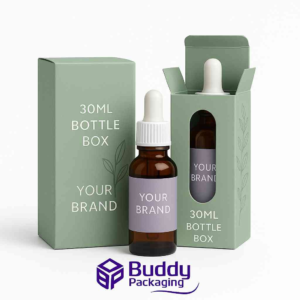
Gift packaging often includes decorative elements like ribbons or window cut-outs. They are designed to be presented without additional wrapping. A well-executed gift box enhances customer experience, especially during holidays or special occasions.
Trends in Water Bottle Box Design
Personalisation
Personalised packaging resonates strongly with customers. Printing names or custom messages enhances emotional connection. Personalisation also drives social sharing and word-of-mouth.
Interactive Elements
Interactive packaging features like pull tabs, QR codes, and hidden messages increase engagement. QR codes can link to care instructions, sustainability videos, or brand stories.
Bold Graphics and Patterns
While minimalism remains popular, bold patterns and vibrant colours can break through visual noise on shelves. Carefully chosen graphics can communicate energy, lifestyle, or cultural elements.
Common Mistakes to Avoid
Oversized Packaging
Boxes that are too large waste materials and increase shipping costs. Ensure your water bottle box design fits the product closely while still offering protection.
Ignoring Sustainability
Packaging that cannot be recycled or reused may harm brand reputation. Prioritise eco-friendly choices wherever possible.
Poor Structural Integrity
Weak designs lead to damaged products and unhappy customers. Always prototype and test before full production.
Cluttered Graphics
Too much text, colour, or imagery distracts from the brand message. Maintain a balance between visual elements and white space.
Water Bottle Box Design Checklist
To ensure success, use this checklist:
- Confirm bottle dimensions and weight
- Select appropriate materials for strength and sustainability
- Finalise structural dielines
- Design graphics consistent with brand identity
- Choose print and finishing options
- Prototype and test
- Review packaging for usability and protection
Water bottle box design is a strategic blend of function, creativity, and brand communication. A thoughtfully designed box protects products, enhances user experience, and strengthens brand identity. By focusing on materials, graphics, sustainability, and user experience, you can create packaging that resonates with customers and drives engagement. Strong design choices deliver practical benefits and help your product stand out.
Invest in smart packaging and let your brand shine. Visit Buddy Packaging Location for customised packaging support and solutions that elevate your product presentation. Explore expert options for Custom Boxes that fit your vision and budget.
Effective packaging starts with eye-catching labelling that reflects your brand identity and attracts customers instantly. A professional beer bottle label design not only enhances shelf appeal but also communicates quality and authenticity. Investing in creative, high-quality label design helps breweries stand out in a competitive UK market while building lasting brand recognition and customer trust.
FAQs
What materials are best for water bottle box design?
The best materials include corrugated cardboard for protection, kraft paperboard for eco-friendly appeal, and rigid stock for premium presentation.
How do I make my water bottle packaging eco-friendly?
Choose recyclable or biodegradable materials, reduce print inks, and consider reusable packaging designs to lower environmental impact.
What design elements increase retail appeal?
Clear branding, balanced colour schemes, premium finishes, and unique structural features enhance shelf presence and customer interest.
How important is prototyping in packaging design?
Prototyping is essential. It ensures your water bottle box design fits correctly and performs as expected before mass production.
Can custom packaging improve brand perception?
Yes. Tailored packaging reinforces brand identity, enhances customer experience, and sets you apart from competitors.