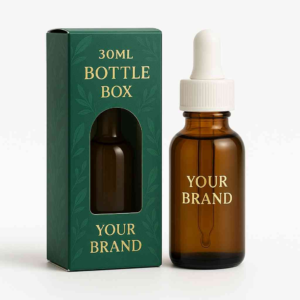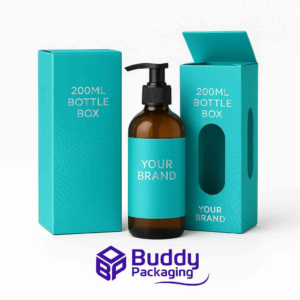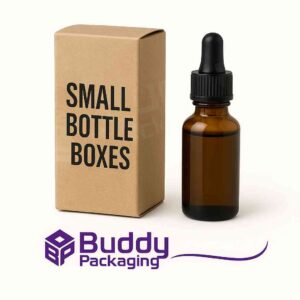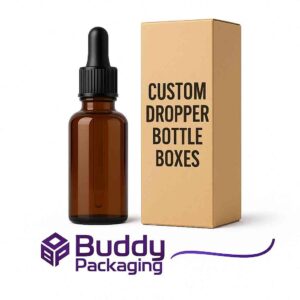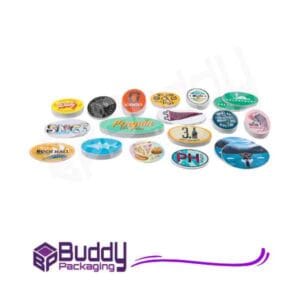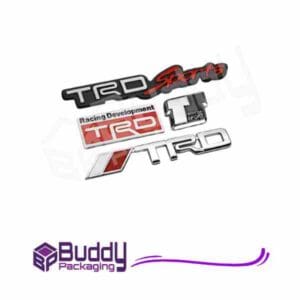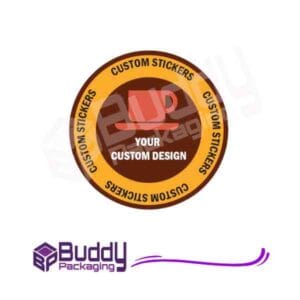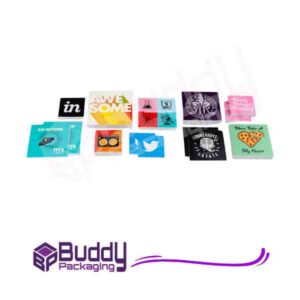
Cosmetic product label design plays a critical role in the success of any beauty brand. A label is often the first interaction a customer has with a product. It communicates quality, trust, and brand personality in seconds. In a competitive beauty market, an effective cosmetic product label design can influence purchasing decisions before a customer even reads the ingredients.
A well-crafted cosmetic product label design does more than decorate packaging. It tells a story about the brand, highlights the benefits of the product, and ensures compliance with regulations. When done correctly, it transforms ordinary packaging into a powerful marketing tool that builds recognition and loyalty.
Brands that invest in professional cosmetic product label design also create a consistent identity across their product lines. This consistency helps customers instantly recognise products on crowded shelves or online marketplaces. In the sections below, we will explore how thoughtful cosmetic product label design improves branding, builds trust, and increases product visibility.
Why Cosmetic Product Label Design Matters for Beauty Brands
Cosmetic product label design influences how consumers perceive a beauty product. In many cases, shoppers decide within a few seconds whether a product looks premium or not. A clean, professional label signals reliability and quality.
Consumers today are more informed and more selective. They often read labels carefully before purchasing skincare or cosmetic products. This means cosmetic product label design must combine visual appeal with informative content. The label should make the product attractive while still providing clear details about ingredients and benefits.
Strong cosmetic product label design also improves shelf impact. When dozens of products compete for attention, the right typography, colours, and layout can make a product stand out instantly. Beauty brands often draw inspiration from lifestyle aesthetics, fashion trends, and even wellness brands such as the vibrant colours identity used by fitness studios like Orange Theory Mountain View.
Additionally, cosmetic product label design helps brands communicate values such as sustainability, cruelty-free testing, or organic ingredients. These values influence modern consumer behaviour and can increase brand loyalty.
Understanding the Elements of Cosmetic Product Label Design
Cosmetic product label design involves multiple visual and informational components working together. Each element must support the brand message while maintaining clarity and compliance.
Typography and Readability
Typography is one of the most important aspects of cosmetic product label design. The font should reflect the brand identity while remaining easy to read. Luxury skincare brands often use elegant serif fonts, while modern beauty brands prefer minimalist sans-serif styles.
Clear typography ensures customers can easily read ingredients, instructions, and product benefits. If text is too small or overly decorative, it can create confusion and reduce trust in the brand. Good cosmetic product label design always prioritises readability over decoration.
Colours Psychology in Beauty Packaging
Colours plays a powerful role in cosmetic product label design. Different colours evoke different emotional responses. Soft pastels often communicate calmness and skincare purity. Bold colours suggest energy and youthfulness.
For example, natural skincare brands frequently use greens and earth tones. High-end cosmetic brands often rely on black, gold, or neutral palettes to signal luxury. A carefully selected colour scheme strengthens the visual identity of the product and helps maintain consistency across a product range.
Imagery and Visual Balance
Images and graphics can elevate cosmetic product label design when used carefully. Illustrations, botanical patterns, or minimal icons can highlight product ingredients or benefits.
However, balance is essential. Overcrowded labels can appear unprofessional and reduce readability. Successful cosmetic product label design uses white space strategically to create a clean and organised appearance.
Regulatory Requirements in Cosmetic Product Label Design
Cosmetic product label design must also comply with regulatory standards. Different regions have different requirements regarding ingredient disclosure, safety warnings, and manufacturer information.
In the United Kingdom and European markets, cosmetic labels must follow the regulations outlined by the UK Cosmetics Regulation. These guidelines require clear ingredient lists, batch numbers, product weight, and manufacturer details. You can learn more from official regulatory guidance at
Compliance is essential for building consumer trust. A transparent cosmetic product label design reassures customers that the product meets safety standards. Clear labelling also reduces the risk of legal issues or product recalls.
Many successful brands integrate regulatory details seamlessly into their cosmetic product label design. This ensures the label remains visually appealing while still meeting all legal requirements.
Branding and Storytelling Through Cosmetic Product Label Design
Cosmetic product label design is an opportunity to tell a brand story. Every design choice communicates something about the brand’s personality and mission.
Beauty brands that focus on natural ingredients often highlight botanical illustrations and earthy textures. Luxury brands emphasise minimalism, metallic finishes, and premium typography. These choices create a consistent visual language that customers remember.
Storytelling also strengthens emotional connections with consumers. A thoughtful cosmetic product label design might reference the origin of ingredients, the inspiration behind the product, or the brand’s commitment to sustainability.
When storytelling is integrated effectively, customers feel more connected to the brand. This emotional connection increases repeat purchases and brand loyalty.
The Relationship Between Packaging and Label Design
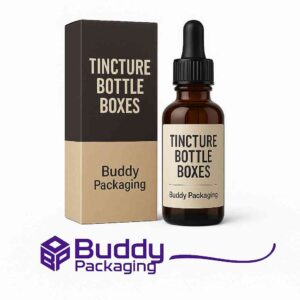
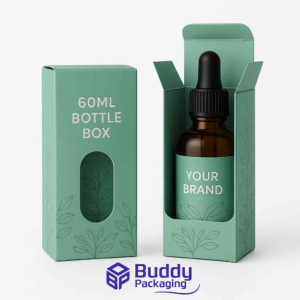
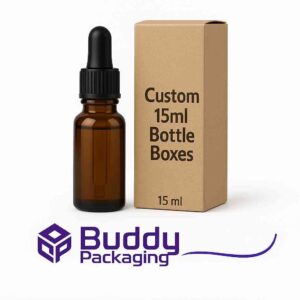
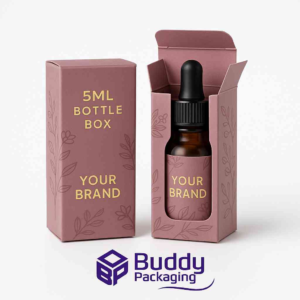
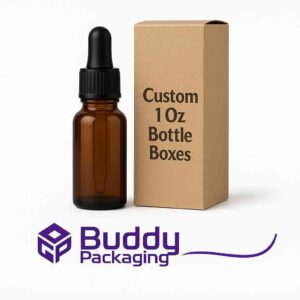
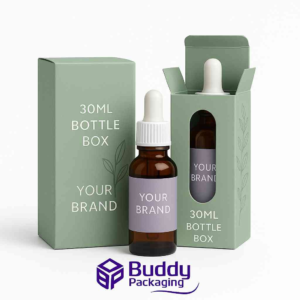
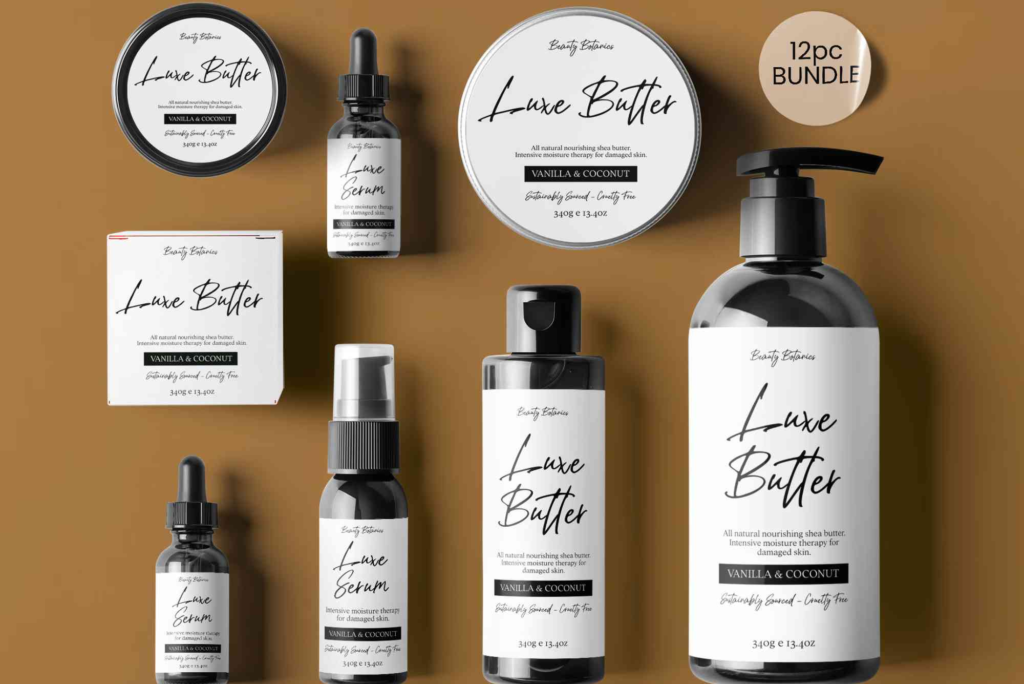
Packaging and label design must work together to create a cohesive brand experience. Cosmetic product label design should complement the shape, material, and finish of the packaging.
For example, a luxury glass serum bottle requires a refined and minimal label. A vibrant skincare product aimed at younger audiences might benefit from bold colours and playful typography. The label must enhance the packaging rather than compete with it.
Brands also benefit from designing labels alongside their packaging strategy. Companies that use Custom Cosmetic Boxes often align box graphics with cosmetic product label design to create a consistent brand identity.
This unified approach ensures customers experience the same visual message from the outer packaging to the product label itself.
Digital Trends Shaping Cosmetic Product Label Design
The beauty industry evolves rapidly, and cosmetic product label design must keep up with modern trends. One major trend is minimalism. Clean layouts with fewer design elements often communicate luxury and sophistication.
Another trend is sustainability. Many brands now highlight eco-friendly materials and recyclable packaging directly on their labels. Transparent messaging about sustainability can strongly influence purchasing decisions.
Personalisation is also growing in popularity. Some brands allow customers to customise labels for gifts or special occasions. This adds a unique touch and increases the perceived value of the product.
Designers often explore creative inspiration and industry insights through professional platforms that provide expert label design tips at
Staying informed about evolving trends helps brands keep their cosmetic product label design fresh and competitive.
The Role of Professional Designers in Cosmetic Product Label Design
Professional designers bring strategic thinking to cosmetic product label design. They understand how colours, typography, layout, and brand storytelling work together to create an impactful visual identity.
Experienced designers also understand printing techniques, material limitations, and regulatory requirements. This knowledge ensures the final cosmetic product label design looks polished and compliant once printed.
Design agencies often conduct market research before creating a label concept. They analyse competitor packaging, target audience preferences, and current beauty trends. This research ensures the design resonates with the intended audience.
Collaborating with professionals also helps brands avoid common mistakes such as overcrowded labels, inconsistent branding, or poor readability.
Local Branding and Accessibility in Cosmetic Packaging
Many beauty brands now highlight their location to build authenticity and local trust. Sharing brand locations or production origins helps customers feel more connected to the product.
Businesses often showcase their manufacturing or design locations online to increase transparency. For example, brands can direct customers to their Buddy Packaging Location.
Including location details within cosmetic product label design or related branding materials adds credibility. Consumers often prefer brands that are transparent about where their products are made.
This approach also supports local identity and strengthens community connections with customers.
How Cosmetic Product Label Design Impacts Sales
Cosmetic product label design directly influences sales performance. Attractive labels draw attention, while clear messaging convinces customers to purchase.
In retail environments, products compete for attention among dozens of similar items. A visually appealing cosmetic product label design increases the chance of a product being picked up and examined.
Online shopping also relies heavily on packaging visuals. High-quality label design photographs well and enhances product listings on e-commerce platforms.
Brands that invest in professional cosmetic product label design often experience stronger brand recognition and higher customer engagement. Over time, this leads to improved brand loyalty and repeat purchases.
Future Trends in Cosmetic Product Label Design
The future of cosmetic product label design is likely to focus on innovation and sustainability. Smart packaging technologies may soon allow labels to interact with smartphones, offering ingredient details or skincare routines through QR codes.
Sustainable materials will also become increasingly important. Many brands are already experimenting with biodegradable labels and eco-friendly printing processes.
Augmented reality experiences could also become part of cosmetic product label design. Customers may scan a label to access tutorials, brand stories, or product demonstrations.
As technology advances, cosmetic product label design will continue evolving to combine aesthetics, functionality, and digital engagement.
Frequently Asked Questions About Cosmetic Product Label Design
What information must appear on a cosmetic product label?
Cosmetic product label design must include essential details such as ingredients, product name, net weight, manufacturer information, and safety warnings. These details ensure transparency and regulatory compliance. Clear and accurate information also builds consumer trust.
How can cosmetic product label design improve brand identity?
Cosmetic product label design strengthens brand identity through consistent colours, typography, and visual elements. When customers repeatedly see the same design style across products, they begin to recognise the brand instantly. This recognition builds loyalty and trust.
What makes a cosmetic product label attractive?
An attractive cosmetic product label design combines clean typography, balanced layouts, and appealing colours. It also communicates product benefits quickly. A label that looks professional and easy to read increases the likelihood that customers will choose the product.
Do small beauty brands need professional label design?
Yes, professional cosmetic product label design helps small brands compete with established companies. A well-designed label makes a product appear more credible and high quality. Even new brands can stand out with strong visual branding.
How often should cosmetic product label design be updated?
Cosmetic product label design should evolve when branding changes or market trends shift. However, updates should maintain core visual elements so customers continue recognising the brand. Minor refinements often work better than complete redesigns.
Cosmetic product label design is far more than decorative packaging. It communicates brand values, ensures regulatory compliance, and influences purchasing decisions. In a highly competitive beauty industry, a strong cosmetic product label design can be the difference between a product that blends in and one that stands out.
By focusing on readability, visual identity, storytelling, and compliance, brands can create labels that capture attention and build trust. When combined with strategic packaging and consistent branding, cosmetic product label design becomes a powerful marketing tool.
If you want your beauty products to stand out on shelves and online marketplaces, investing in professional cosmetic product label design is essential. Thoughtful design not only enhances visual appeal but also strengthens customer relationships and brand loyalty. Now is the perfect time to refine your cosmetic product label design and elevate your beauty brand to the next level.