Vintage Box Design: A Complete Guide to Timeless Packaging
Vintage box design continues to captivate brands and customers alike. It combines nostalgia, craftsmanship and character in a way modern packaging often cannot replicate. In today’s competitive market, where first impressions matter, a well-crafted vintage box design can elevate a product instantly.
Whether you are launching a boutique brand or refreshing an existing line, understanding the principles behind vintage box design is essential. This guide explores its history, design elements, materials, techniques and practical applications. By the end, you will know how to create packaging that feels authentic, premium and memorable.
What Is Vintage Box Design?
Vintage box design refers to packaging inspired by past eras. It typically reflects styles from the Victorian period, early 20th century, mid-century modern or retro 1970s aesthetics. However, it is not simply about making something look old. Instead, it is about capturing the elegance, storytelling and craftsmanship associated with historic packaging.
Unlike generic modern boxes, vintage box design focuses on detail. Typography, illustration, texture and colour all work together to create a sense of heritage. When done correctly, it feels refined rather than outdated. In recent years, many independent brands have embraced vintage box design to stand out. Customers often associate vintage aesthetics with authenticity and quality. As a result, this approach works especially well for artisanal goods, cosmetics, confectionery and luxury items.
Why Vintage Box Design Still Works Today
First, nostalgia is powerful. People connect emotionally with designs that remind them of simpler times. Vintage box design taps into that emotional response. Second, craftsmanship matters. Many modern packaging solutions prioritise cost over detail. A vintage-inspired box, however, signals care and attention.
Third, differentiation is crucial. In a sea of minimalist designs, ornate typography and classic illustrations catch the eye. Finally, premium perception increases. Products presented in a well-crafted vintage box design often justify higher pricing. Customers perceive them as more valuable.
Core Elements of Vintage Box Design
To create a successful vintage box design, you must understand its core components.
Typography and Lettering
Typography is central to vintage box design. Serif fonts, script lettering and decorative typefaces are commonly used. However, balance is key. Overly complex fonts can reduce readability.
Look at historical packaging for inspiration. Old apothecary labels and tea tins provide excellent references. Many designers search for box design inspiration to study authentic layouts before creating their own. Layering text with subtle drop shadows or engraved effects enhances authenticity. Foil stamping and embossing further elevate the overall presentation.
Colour Palettes
Vintage box design often uses muted and earthy tones. Deep burgundy, forest green, navy blue and cream are popular choices. Pastel shades also work well for retro-inspired packaging.
Avoid overly bright digital colours. Instead, opt for slightly faded tones that feel timeless. Texture overlays can also create a gently aged look without appearing artificial.
Illustrations and Graphics
Hand-drawn illustrations are a defining feature of vintage box design. Botanical drawings, ornamental borders and detailed line art are common.
Symmetry plays a significant role. Many classic designs use framed layouts with central focal points. Decorative frames and scrollwork enhance elegance. Keep graphics intentional. Every visual element should support the brand story rather than overwhelm it.
Materials and Finishes
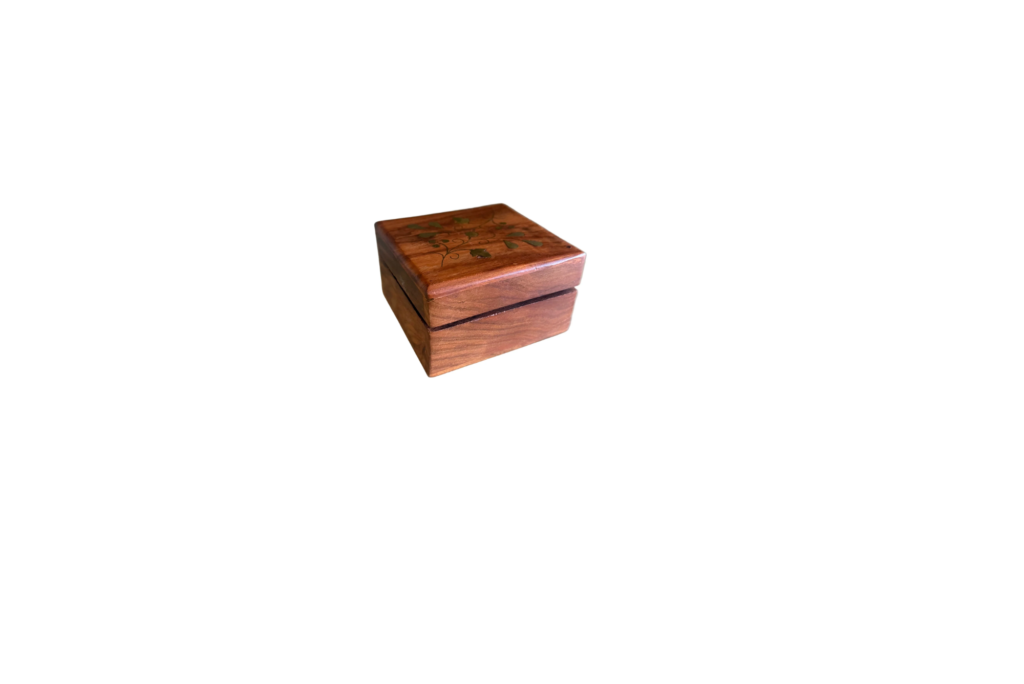
Material selection strongly influences the success of vintage box design. Kraft paper, textured cardboard and rigid board boxes work exceptionally well.
Matte finishes often look more authentic than high-gloss coatings. Meanwhile, embossing, debossing and foil stamping add depth and character. Brands looking for tailored solutions often turn to Custom Boxes to ensure the packaging aligns perfectly with their vision. Customisation allows precise control over material, size and finishing details.
Popular Styles of Vintage Box Design
Vintage box design is not limited to one era. Different time periods offer distinct visual identities.
Victorian-Inspired Packaging
Victorian design is ornate and detailed. It includes elaborate borders, serif typography and rich colour schemes. Gold foil accents are particularly effective here.
This style works well for luxury products and premium gifts.
Art Deco Influence
Art Deco packaging features geometric patterns, bold lines and metallic details. It feels glamorous yet structured.
If you want a vintage box design that looks elegant but modern, Art Deco provides a perfect balance.
Mid-Century Retro
Mid-century design embraces simplicity with character. Expect playful fonts, pastel colours and bold shapes.
This approach works brilliantly for confectionery, beauty products and lifestyle brands targeting younger audiences who appreciate retro aesthetics.
How to Create an Effective Vintage Box Design
Creating an impactful vintage box design requires more than copying old artwork. It demands strategic thinking.
Define Your Brand Story
Start with your brand identity. What values do you represent? Heritage? Craftsmanship? Sustainability?
Your vintage box design must support this narrative. Otherwise, it may feel disconnected.
Research Authentic References
Study original packaging from museums, antique shops and online archives. Authentic research ensures your design feels genuine rather than cliché.
Websites offering box design inspiration can help you analyse composition and structure. However, always adapt ideas to fit your brand.
Balance Vintage with Modern Functionality
While aesthetics matter, practicality is equally important. Ensure your vintage box design meets modern standards for durability and usability.
Customers expect easy opening mechanisms and sturdy construction. Therefore, integrate contemporary functionality into classic visuals.
Use High-Quality Printing Techniques
Printing quality makes or breaks vintage box design. Poor resolution or misaligned elements instantly reduce credibility.
Consider specialist finishing techniques such as letterpress or foil stamping. These details create tactile experiences that customers remember.
Industries That Benefit from Vintage Box Design
Vintage box design is versatile. It works across multiple sectors.
Food and confectionery brands use it to communicate tradition. Beauty companies rely on it to evoke elegance. Candle makers and artisanal soap brands also benefit from its handcrafted appeal.
Luxury gift companies often combine rigid boxes with vintage graphics to enhance exclusivity. When customers see carefully crafted packaging, they are more likely to share it on social media. Local businesses seeking a reliable packaging partner often explore services near Buddy Packaging Location to ensure quality production and easy collaboration.
Sustainability and Vintage Box Design
Interestingly, vintage box design pairs well with sustainable practices. Kraft paper and recyclable materials naturally complement rustic aesthetics.
Consumers increasingly value eco-friendly packaging. Therefore, combining vintage visuals with responsible materials creates both emotional and ethical appeal. Use soy-based inks and minimal plastic components where possible. Sustainability does not diminish elegance. In fact, it enhances authenticity.
Common Mistakes to Avoid
Even experienced designers can misjudge vintage box design.
Overcomplicating layouts is a common error. Simplicity remains important. Too many decorative elements can overwhelm the viewer.
Another mistake is artificial ageing. Excessive distress effects often appear forced. Instead, focus on subtle texture.
Finally, avoid sacrificing readability. Clear information always matters more than ornamentation.
How Vintage Box Design Influences Buying Decisions
Packaging directly affects purchasing behaviour. Studies show that customers form opinions within seconds. Vintage box design stands out because it feels distinctive and thoughtful.
When customers perceive authenticity, they trust the product more. Trust leads to higher conversion rates and stronger brand loyalty. Moreover, vintage packaging often encourages repeat purchases. Customers remember unique designs long after using the product.
The Future of Vintage Box Design
Although trends change, vintage box design remains relevant. Designers now blend heritage aesthetics with minimalist layouts.
Digital printing technologies allow greater flexibility while preserving classic charm. As consumer appreciation for craftsmanship grows, vintage-inspired packaging will likely remain strong. Brands that understand how to merge past and present will continue to succeed.
Elevate Your Brand with Vintage Box Design
Vintage box design is more than a trend. It is a strategic branding choice rooted in emotion and craftsmanship. By carefully selecting typography, colours, materials and finishes, you can create packaging that tells a compelling story.
When executed thoughtfully, vintage box design enhances brand identity and increases perceived value. It appeals to customers who appreciate authenticity and detail.
Enhance your brand’s image with luxury box packaging design that combines elegance, durability, and functionality. At Buddy Packaging, we craft premium packaging solutions that make your products stand out on shelves and online. Discover more about our innovative designs here:
Frequently Asked Questions About Vintage Box Design
What makes a box design look vintage?
A box design looks vintage when it uses classic typography, muted colours, decorative borders and textured materials. Authentic inspiration and balanced composition are essential.
Is vintage box design suitable for modern brands?
Yes. Vintage box design works well for modern brands seeking authenticity. The key is combining traditional aesthetics with contemporary functionality.
What colours are best for vintage box design?
Earthy tones, muted pastels and deep jewel colours work best. Avoid overly bright or neon shades.
How can I create a vintage box design for my product?
Begin with research and brand storytelling. Choose appropriate materials and typography. Work with experienced packaging providers to ensure quality finishes.
Does vintage packaging cost more?
It can cost slightly more due to specialised finishes. However, the perceived value often outweighs the additional expense.