Wine Bottle Label Design: The Ultimate Guide to Creating Memorable Wine Branding
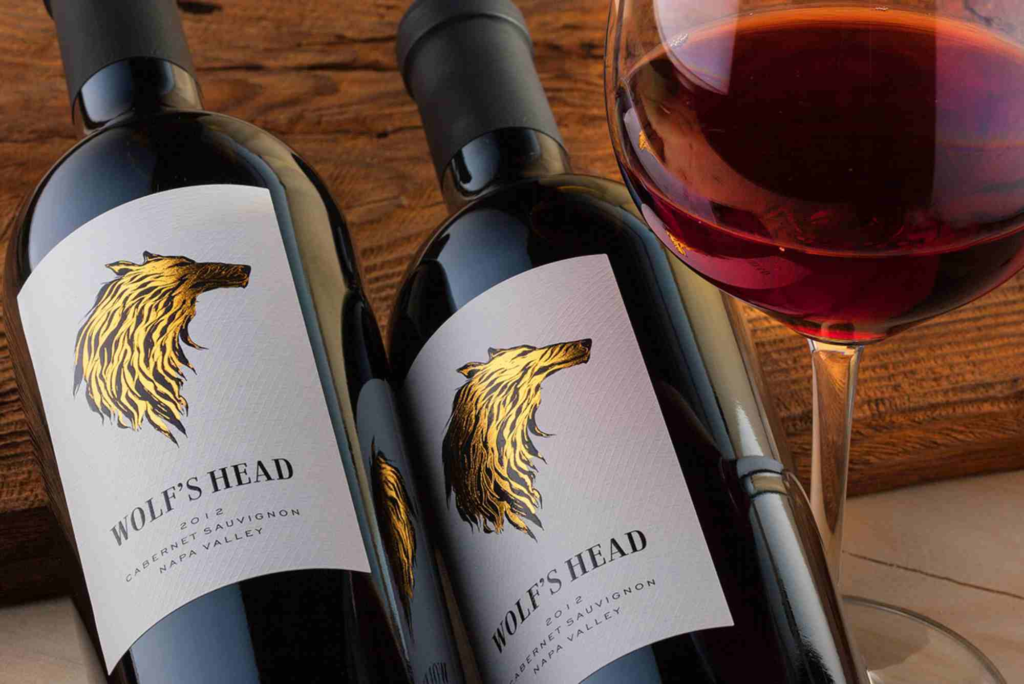
Wine is more than a drink—it’s an experience. And before the cork is popped, that experience begins with wine bottle label design. In a crowded retail space or online shop, your label is often the first—and sometimes only—chance to capture attention and communicate your story.
As someone who has worked closely with packaging concepts for beverage brands, I’ve seen how thoughtful design can elevate perceived value, build trust, and increase sales. This guide breaks down everything you need to know about crafting a compelling wine bottle label design that resonates with modern consumers while remaining compliant and premium in appearance.
Why Wine Bottle Label Design Matters
A well-crafted wine bottle label design does more than look attractive—it:
- Builds brand recognition
- Communicates grape variety and origin
- Reflects quality and price positioning
- Influences buying decisions within seconds
Studies consistently show that customers often select wine based on label aesthetics when unfamiliar with the brand. In other words, design isn’t decoration—it’s strategy.
The Core Elements of Wine Bottle Label Design
Creating an effective wine bottle label design requires balancing creativity with clarity. Here are the essential components.
Brand Name and Logo
Your brand identity must be instantly recognizable. Whether minimalist or ornate, your logo should align with your winery’s personality—rustic, modern, luxury, organic, or experimental.
Typography Choices
Typography sets the tone. Serif fonts often convey tradition and heritage, while sans-serif fonts lean toward modern simplicity. Script fonts suggest elegance but must remain legible.
When exploring broader label design tips, designers often recommend limiting typefaces to two or three maximum for clarity and visual harmony.
Colour Psychology
Colour significantly impacts consumer perception:
- Deep burgundy and black = luxury and boldness
- Cream and gold = tradition and heritage
- Bright hues = youthful and experimental
Your wine bottle label design should reflect both the wine’s character and your target audience.
Imagery and Illustration
Imagery can include:
- Vineyard landscapes
- Abstract art
- Minimal geometric elements
- Hand-drawn illustrations
Modern trends show a rise in artistic, unconventional designs targeting younger wine drinkers.
Mandatory Information
A professional wine bottle label design must include:
- Alcohol by volume (ABV)
- Volume (ml)
- Country of origin
- Sulfite warning (where applicable)
- Producer or bottler information
Regulatory requirements vary by country, so always verify local laws before printing.
Understanding Your Target Audience
Your label should speak directly to your ideal buyer.
Premium Wine Buyers
Luxury consumers expect:
- Foil stamping
- Embossing or debossing
- Thick textured paper
- Minimalist but elegant layouts
Casual or Everyday Buyers
These buyers may prefer:
- Clean typography
- Clear grape variety labeling
- Friendly, approachable visuals
Younger Consumers
Millennial and Gen Z audiences often respond to:
- Bold graphics
- Story-driven branding
- Sustainable materials
Your wine bottle label design should match the emotional expectations of your market segment.
Materials and Finishing Options
The tactile feel of a label influences perceived quality.
Paper Stock
Options include:
- Textured cotton paper
- Matte uncoated paper
- Glossy coated stock
- Waterproof synthetic materials
Premium wines often use thicker, textured papers to signal craftsmanship.
Printing Techniques
Modern wine bottle label design may incorporate:
- Foil stamping (gold, silver, rose gold)
- Spot UV coating
- Embossing and debossing
- Letterpress
- Digital printing
Each finish adds depth and sophistication.
Sustainability Considerations
Eco-conscious buyers increasingly value recyclable labels, biodegradable adhesives, and sustainable packaging materials.
Pairing your label with eco-friendly Custom Bottle Boxes enhances brand presentation while protecting the bottle during transport.
The Role of Storytelling in Wine Bottle Label Design
Wine is emotional. Great labels tell a story.
Heritage Story
Highlight your vineyard’s history, soil, climate, or family traditions.
Tasting Notes
Short tasting descriptions help guide purchasing decisions. Keep them concise but evocative.
Winemaker’s Philosophy
A sentence about your approach—organic farming, hand-harvesting, small-batch production—adds authenticity.
Authenticity builds trust, which aligns with Google’s E-E-A-T standards of experience and expertise.
Trends in Modern Wine Bottle Label Design
Design trends evolve, but strong branding remains timeless.
Minimalist Designs
Clean typography, neutral colours, and lots of white space are increasingly popular among boutique wineries.
Bold and Artistic Labels
Some brands commission artists to create collectible-style labels that stand out on shelves.
Vintage-Inspired Aesthetics
Classic crests, ornate typography, and old-world layouts continue to appeal to traditional buyers.
Interactive Labels
QR codes allow customers to access vineyard tours, tasting videos, or food pairing suggestions.
Process for Creating Wine Bottle Label Design
Define Brand Positioning
Before designing, clarify:
- Target price point
- Market segment
- Distribution channel (retail, online, restaurant)
Research Competitors
Study competing wines in your price range. Identify what works—and how you can differentiate.
Develop Initial Concepts
Sketch ideas before moving into digital design. Mood boards help define direction.
Choose Materials and Finishes
Select paper stock and finishing techniques aligned with brand positioning.
Compliance Review
Ensure all legal information is correct and properly formatted.
Print Sampling
Always test print. Colours and textures often look different in physical form.
Pairing Packaging with Label Design
A cohesive packaging strategy enhances perceived value.
Using well-crafted bottle packaging not only protects the product but elevates brand experience. If you’re sourcing packaging in the UK, visiting Buddy Packaging Location can help you explore material and finishing options in person.
Consistency between outer packaging and wine bottle label design creates a unified brand story.
Common Mistakes in Wine Bottle Label Design
Avoid these pitfalls:
- Overcrowded layouts
- Illegible typography
- Poor colour contrast
- Ignoring compliance requirements
- Copying competitor designs
Professional execution separates premium brands from amateur ones.
How Wine Bottle Label Design Impacts Sales
Consumers often spend less than 10 seconds choosing a bottle. During that time, your label must:
- Capture attention
- Communicate quality
- Convey trust
- Justify price
Effective wine bottle label design increases shelf visibility, strengthens brand loyalty, and supports higher pricing.
FAQs
What makes a good wine bottle label design?
A good wine bottle label design balances visual appeal, clear information hierarchy, and brand storytelling while meeting regulatory requirements.
How much does wine bottle label design cost?
Costs vary depending on complexity, designer expertise, printing methods, and finishing techniques. Premium finishes like foil and embossing increase production costs.
What information must be on a wine label?
Most regions require alcohol content (ABV), volume, country of origin, producer information, and health warnings. Always verify local regulations.
Should wine labels be matte or glossy?
Matte labels often convey sophistication and elegance, while glossy finishes can appear vibrant and modern. The choice depends on brand positioning.
How do I make my wine label stand out on shelves?
Focus on strong typography, distinctive colour schemes, quality materials, and minimal clutter. Unique finishes like embossing or foil stamping also enhance shelf impact.
In today’s competitive market, wine bottle label design is not just about aesthetics—it’s about communication, positioning, and trust. From typography and materials to storytelling and compliance, every detail contributes to how your wine is perceived.
A well-executed design increases shelf appeal, strengthens brand recognition, and supports premium pricing. When combined with quality packaging and thoughtful presentation, your label becomes a powerful marketing asset.