Introduction
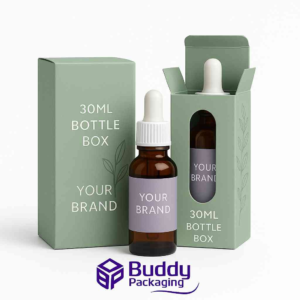
Medical box packaging design plays a critical role in the healthcare supply chain. It protects sensitive products, ensures regulatory compliance, and communicates vital information clearly. In the UK healthcare market, packaging must meet strict safety standards while maintaining a professional and trustworthy appearance.
Whether you manufacture pharmaceuticals, medical devices, or healthcare kits, effective medical box packaging design directly influences product safety and brand reputation. In this guide, we explore materials, compliance, branding, sustainability, and practical design strategies tailored to the UK market.
Why Medical Box Packaging Design Matters
Medical products require a higher level of packaging precision than most consumer goods. Unlike retail packaging, errors can compromise patient safety.
Firstly, protection is essential. Medical items often contain sterile instruments, temperature-sensitive drugs, or fragile components. Therefore, medical box packaging design must safeguard contents from contamination, light, moisture, and physical damage.
Secondly, clarity is non-negotiable. Healthcare professionals rely on packaging for dosage instructions, expiry dates, batch numbers, and warnings. Clear typography and structured layouts improve usability and reduce risk.
Finally, compliance is mandatory. UK medical packaging must align with MHRA regulations and, where applicable, CE or UKCA marking requirements. Good medical box packaging design integrates these requirements seamlessly.
Regulatory Requirements in the UK
Understanding compliance is fundamental when developing medical box packaging design.
Labelling Standards
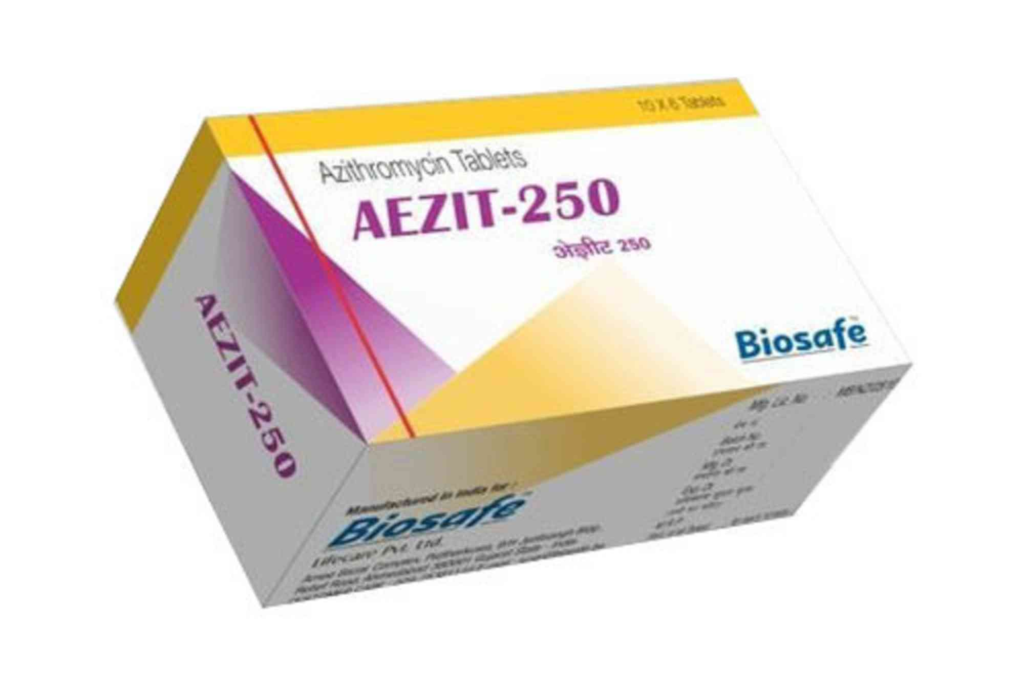
Medical packaging must display product identification, manufacturer details, batch number, expiry date, and storage conditions. The text must be legible and durable.
Safety Symbols and Markings
Symbols such as “Do Not Reuse,” “Sterile,” or “Keep Dry” must follow recognised standards like ISO 15223-1. These visual cues are vital for quick understanding.
Tamper-Evident Features
Tamper-evident seals are often required for pharmaceuticals. They provide visual proof that the product remains unopened and secure.
A compliant medical box packaging design reduces legal risk and strengthens consumer confidence.
Materials Used in Medical Box Packaging Design
Material selection directly impacts durability, safety, and sustainability.
Folding Cartons
Folding cartons remain one of the most popular options. They are lightweight, cost-effective, and printable. High-quality board ensures strength without excessive bulk.
Corrugated Boxes
For heavier devices or bulk shipments, corrugated packaging provides enhanced structural support. It absorbs shocks during transit and protects delicate equipment.
Rigid Boxes
Premium medical kits sometimes use rigid boxes. These offer superior protection and a refined appearance. They are ideal for diagnostic sets or professional equipment.
When sourcing reliable packaging solutions, businesses often turn to trusted providers of Custom Boxes for tailored healthcare packaging needs. Customisation ensures that the medical box packaging design matches the product dimensions and regulatory demands precisely.
Key Elements of Effective Medical Box Packaging Design
An effective design balances functionality and aesthetics.
Clear Information Hierarchy
Important details must stand out. Product name and dosage appear prominently. Secondary information follows logically. This hierarchy reduces confusion.
Readable Typography
Sans-serif fonts are widely used in medical box packaging design. They offer clarity and modern appeal. Font size should remain readable even in low-light clinical environments.
Colour Psychology
Healthcare packaging often uses white, blue, or green tones. These colours convey cleanliness, safety, and trust. However, colour coding can also differentiate dosage strengths or product types.
Durable Printing Techniques
Medical packaging must withstand handling. High-quality inks and finishes prevent fading or smudging. This ensures instructions remain legible throughout the product lifecycle.
Applying professional box design tips can significantly improve both compliance and visual appeal. Strategic layout, balanced spacing, and consistent branding contribute to better functionality.
Balancing Branding and Compliance
Brand identity still matters in medical industries. However, it must never overshadow clarity.
Medical box packaging design should reflect brand values such as reliability, innovation, and care. Logos and brand colours can be integrated tastefully without cluttering essential information.
Minimalist layouts often work best. They provide a clean and clinical feel while highlighting critical details.
Moreover, consistent branding across product ranges builds recognition among pharmacists, healthcare providers, and patients.
Sustainability in Medical Box Packaging Design
Sustainability is increasingly important in the UK. The NHS and private healthcare providers are reducing environmental impact across supply chains.
Medical box packaging design can support sustainability by using recyclable cardboard, soy-based inks, and reduced plastic content.
Lightweight packaging reduces transport emissions. At the same time, right-sizing boxes prevents waste.
However, sustainability must not compromise safety. Protective features remain the priority.
Designing for Different Medical Products
Different products require unique approaches.
Pharmaceutical Products
Medicine boxes prioritise dosage clarity and tamper resistance. Blister pack cartons must include clear instructions and compliance markings.
Medical Devices
Device packaging often requires protective inserts. Foam or moulded pulp keeps items secure during shipping.
Diagnostic Kits
These kits contain multiple components. Medical box packaging design must organise items neatly and include clear compartment labelling.
Each category demands careful planning to ensure both safety and usability.
User Experience in Medical Box Packaging Design
User experience extends beyond aesthetics.
Healthcare professionals need quick access to information. Packaging that opens easily yet remains secure improves workflow efficiency.
Patients, especially elderly users, benefit from clear instructions and easy-to-handle cartons. Therefore, accessibility considerations are essential.
For example, larger fonts and simple language improve comprehension. Good medical box packaging design anticipates real-world usage scenarios.
Digital Printing and Modern Technology
Technology continues to enhance medical box packaging design.
Digital printing enables short runs and personalised packaging. This is ideal for clinical trials or limited product launches.
Additionally, QR codes allow users to access digital instructions. This reduces leaflet clutter and supports multilingual accessibility.
Track-and-trace systems can also be integrated. These features combat counterfeiting and improve supply chain transparency.
Common Mistakes to Avoid
Even experienced brands can make design errors.
Overcrowded layouts reduce readability. Too many colours distract from essential information.
Another common issue is ignoring regulatory updates. Compliance standards evolve, and packaging must reflect current requirements.
Finally, using low-quality materials can damage brand reputation. In healthcare, reliability is everything.
Careful planning and professional oversight prevent these issues in medical box packaging design.
Cost Considerations
Budget matters, but cutting corners is risky.
Investing in durable materials reduces damage and returns. Efficient structural design lowers shipping costs.
Bulk production often reduces per-unit expenses. However, design should remain adaptable to regulatory changes.
In the long term, well-executed medical box packaging design saves money by minimising compliance risks and product loss.
Future Trends in Medical Box Packaging Design
Healthcare packaging continues to evolve.
Smart packaging solutions are gaining popularity. Temperature-sensitive labels monitor storage conditions.
Augmented reality instructions may soon supplement printed guides.
Furthermore, sustainable innovations are accelerating. Compostable materials and biodegradable coatings are becoming viable options.
Staying informed about these trends keeps your medical box packaging design competitive and compliant.
Medical box packaging design is more than just a protective layer. It is a vital part of patient safety, regulatory compliance, and brand trust.
In the UK healthcare sector, packaging must balance clarity, durability, and sustainability. It must communicate essential information without confusion. At the same time, it should reflect professionalism and reliability.
By investing in thoughtful medical box packaging design, businesses protect both products and reputations. If you are developing new healthcare packaging or upgrading existing solutions, now is the time to consult experienced packaging specialists. Prioritise safety, compliance, and innovation to ensure long-term success.
Packaging Gift Box Design plays a vital role in creating a memorable first impression. A well-crafted gift box not only protects the product but also enhances its perceived value. From selecting high-quality materials to choosing elegant colours, textures, and finishes, thoughtful design reflects care and attention to detail. Attractive packaging can strengthen brand identity and make any gift feel more special and meaningful.
FAQs
What are the requirements for medical packaging in the UK?
Medical packaging must comply with MHRA guidelines and UKCA marking where applicable. It must include clear labelling, safety symbols, and tamper-evident features.
Why is medical box packaging design important?
It protects products, ensures compliance, and communicates critical information. Poor design can risk patient safety and damage brand credibility.
What materials are best for medical box packaging design?
Folding cartons, corrugated board, and rigid boxes are commonly used. The choice depends on product weight, fragility, and regulatory needs.
How can medical packaging be made sustainable?
Use recyclable materials, reduce plastic, and optimise box sizes. However, safety and compliance must remain priorities.
Can medical box packaging design include branding?
Yes, but branding should not interfere with essential information. Clean layouts and subtle branding elements work best in healthcare settings.