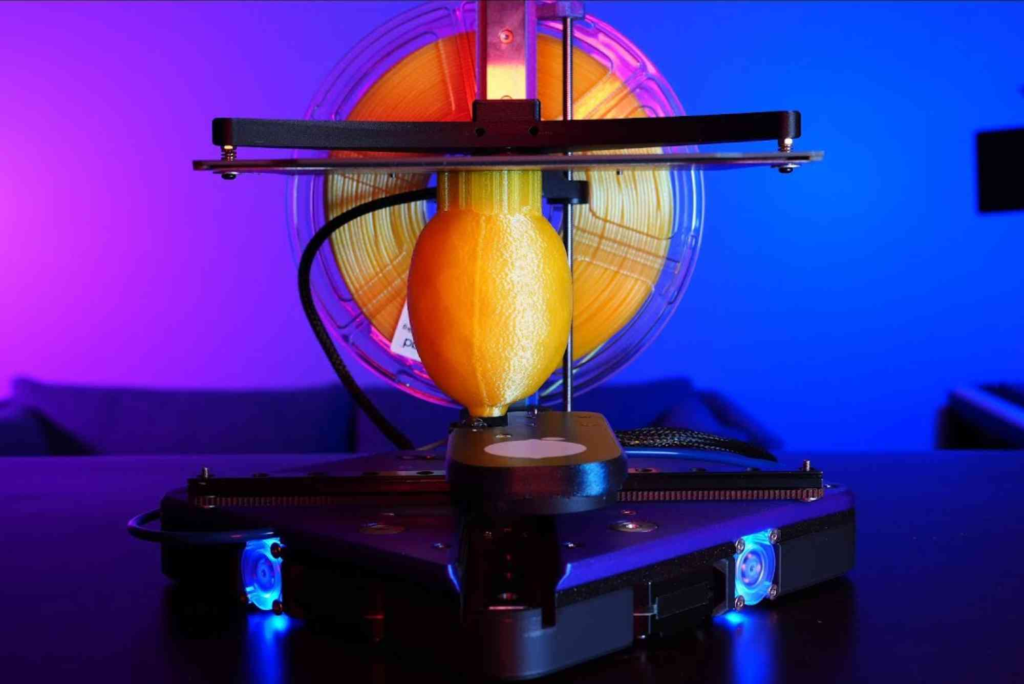
Open Source 3D Printing Designs are reshaping how products are imagined, shared, and manufactured. Instead of closed systems, designers now collaborate globally, improving ideas in real time. This open approach supports innovation, lowers costs, and encourages learning at every skill level. From hobbyists to engineers, people use shared designs to solve real problems. Even communities as diverse as tech startups and fitness-focused spaces like orange theory mountain view embrace the maker mindset. Open Source 3D Printing Designs are no longer niche. They are becoming central to modern digital manufacturing.
Understanding Open Source 3D Printing Designs
Open Source 3D Printing Designs refer to digital files shared freely for modification and redistribution. These designs are usually released under open licences. Anyone can download, print, adjust, and improve them. This model mirrors open source software principles applied to physical objects. The result is faster development and collective problem-solving. Designers gain feedback quickly, while users benefit from proven improvements. Over time, designs evolve into more reliable and efficient products.
How the Open Source Model Works in Practice
In practice, a designer uploads a 3D model to a public platform. Other users test the model on different printers and materials. They then suggest changes or upload improved versions. This constant feedback loop enhances quality and usability. Open Source 3D Printing Designs thrive because many minds work on one challenge. The community-driven process often outperforms closed design teams.
Why Open Source 3D Printing Designs Matter Today
The importance of Open Source 3D Printing Designs has grown alongside desktop 3D printers. Affordable machines allow individuals to manufacture parts at home or work. Open designs remove the barrier of expensive proprietary files. This accessibility encourages experimentation and education. Students learn design thinking through hands-on practice. Small businesses prototype products without high upfront costs. The approach supports innovation in both developed and emerging markets.
Economic and Educational Impact
Economically, open source designs reduce reliance on traditional supply chains. Local production becomes possible, even during disruptions. Educationally, learners gain practical skills by modifying real designs. They understand materials, tolerances, and structural limits. Open Source 3D Printing Designs turn theory into tangible experience. This combination of learning and making aligns with modern STEM education goals.
Applications Across Industries
Open Source 3D Printing Designs are used in healthcare, engineering, education, and packaging. In healthcare, open designs enable rapid production of custom tools. Engineers use shared components to speed up development cycles. Educators rely on open models to teach geometry and mechanics. Even packaging professionals explore printed prototypes before mass production. Companies focused on Custom Packaging often use open designs to test forms and closures quickly. This reduces waste and speeds up decision-making. You can see how packaging innovation intersects with open design through practical examples at Custom Packaging.
Sustainability and Local Manufacturing
Sustainability is another key advantage. Printing locally reduces transport emissions. Designs can be optimised to use less material. Communities share improvements that increase strength while lowering weight. Open Source 3D Printing Designs support circular economies. Broken parts can be reprinted instead of discarded. This mindset encourages repair rather than replacement.
Quality, Trust, and E-E-A-T in Open Design
Quality control is often questioned in open systems. However, strong communities self-regulate effectively. Poor designs receive feedback quickly. Popular models are tested thousands of times. This real-world validation builds trust. Experienced designers often document print settings and material choices. Their expertise demonstrates experience and authority. Open Source 3D Printing Designs benefit from transparency. Users can inspect every detail before printing.
Learning from Real-World Testing
Real-world testing is where open designs shine. Users print objects in different environments. They share failures as well as successes. This honesty improves future versions. Over time, the design becomes robust. The process aligns with Google’s E-E-A-T principles by showing experience, expertise, and trustworthiness. Open communities value accuracy because their reputation depends on it.
Intellectual Property and Licensing Considerations
Open Source 3D Printing Designs rely on clear licensing. Common licences define how designs can be used commercially. Some allow full commercial use. Others restrict resale without attribution. Understanding these terms is essential. Designers protect their work while encouraging sharing. Users respect licences to maintain community trust. Clear licensing avoids legal confusion and supports long-term collaboration.
Balancing Openness and Commercial Use
Many designers combine open sharing with business models. They may sell printed products while sharing files freely. Others offer premium support or customisation. This balance proves that openness and profit can coexist. Open Source 3D Printing Designs do not eliminate commerce. They reshape it into a more collaborative model.
The Role of Platforms and Media
Online platforms host millions of open designs. They act as libraries and social networks. Users follow creators and track updates. Media outlets also influence adoption by sharing insights and trends. For example, industry analysis and print & finishing insights from print & finishing insights help professionals understand how open design fits into wider manufacturing. This context supports informed decision-making.
Community Moderation and Standards
Strong platforms enforce guidelines to maintain quality. Community moderation removes harmful or misleading content. Standards emerge organically through popular designs. These informal rules guide newcomers. Open Source 3D Printing Designs succeed when communities value responsibility alongside creativity.
Challenges Facing Open Source 3D Printing Designs
Despite benefits, challenges remain. Not all printers perform equally. A design that works on one machine may fail on another. Documentation quality varies. Some files lack clear instructions. However, these issues improve as communities mature. Better metadata and version control address inconsistencies. Open Source 3D Printing Designs continue evolving with technology.
Addressing Accessibility and Skill Gaps
Accessibility is another challenge. Beginners may struggle with advanced designs. Communities respond by creating simplified versions. Tutorials and forums support learning. Over time, skills spread organically. Open design communities often mentor newcomers, strengthening the ecosystem.
Future Trends in Open Source 3D Printing Designs
The future of Open Source 3D Printing Designs looks promising. Integration with parametric design tools allows easy customisation. Artificial intelligence helps optimise structures automatically. Materials science advances expand printable options. As printers become faster, open designs will support small-scale manufacturing. Local hubs may produce goods on demand. This decentralised model could redefine production.
The Growing Importance of Location and Community
Physical location still matters. Makerspaces and local hubs foster collaboration. Knowing where resources are available supports growth. For example, understanding a Buddy Packaging Location helps businesses coordinate prototyping and logistics efficiently. You can explore this geographically through Buddy Packaging Location. Open Source 3D Printing Designs thrive when digital sharing meets physical community.
Frequently Asked Questions About Open Source 3D Printing Designs
What are open source 3D printing designs?
Open Source 3D Printing Designs are digital models shared freely. Users can print, modify, and redistribute them under open licences.
Are open source 3D printing designs safe to use?
Most popular designs are tested extensively by communities. Users should review feedback and documentation before printing.
Can open source 3D printing designs be used commercially?
This depends on the licence. Some allow commercial use, while others require attribution or restrict resale.
Where can beginners find reliable open source 3D printing designs?
Beginners should start with well-reviewed designs on established platforms. Community comments help identify reliable files.
How do open source designs improve sustainability?
They support local production, reduce waste, and encourage repair. Designs are optimised through shared improvements.
Why Open Source 3D Printing Designs Deserve Attention
Open Source 3D Printing Designs represent a shift towards shared innovation. They empower individuals, support education, and promote sustainability. By combining global collaboration with local production, they offer a resilient manufacturing model. Challenges exist, but community-driven solutions continue to emerge. Whether you are a designer, educator, or business owner, engaging with open designs adds value. Explore, contribute, and adapt. The future of making is open, and it starts with Open Source 3D Printing Designs.