Vinyl Printing Design: The Complete Expert Guide
Vinyl printing design has become one of the most versatile and reliable solutions for modern branding, packaging, and promotional graphics. From eye-catching product labels to long-lasting outdoor signage, businesses rely on vinyl printing design to deliver durability, colour accuracy, and professional appeal. Whether you’re a brand owner, designer, or marketer, understanding how vinyl printing works—and how to design it effectively—can significantly improve your print results and return on investment.
In this in-depth guide, we’ll explore materials, design principles, printing methods, real-world applications, pricing factors, and expert best practices to help you make informed decisions.
What Is Vinyl Printing Design?
Vinyl printing design refers to the process of creating and printing graphics onto vinyl materials using specialized printers and inks. The result is a flexible, weather-resistant printed surface suitable for indoor and outdoor use.
Unlike paper-based prints, vinyl offers superior durability, moisture resistance, and adhesion to different surfaces. This makes vinyl printing design ideal for commercial branding, packaging, retail displays, and vehicle graphics.
Why Vinyl Printing Design Is So Popular
Long-Lasting Durability
Vinyl prints can withstand sunlight, rain, abrasion, and temperature changes. This makes them perfect for long-term applications such as storefront signs or outdoor banners.
Professional Visual Impact
High-resolution vinyl printing design delivers sharp text, vibrant colours, and smooth gradients, ensuring brand visuals look premium and consistent.
Wide Range of Applications
From packaging to interior décor, vinyl printing design adapts to almost any industry or use case.
Types of Vinyl Used in Printing
Adhesive Vinyl
This is the most commonly used vinyl for labels, stickers, and decals. It adheres firmly to surfaces like glass, metal, plastic, and cardboard.
Non-Adhesive Vinyl
Often used for banners, roll-up displays, and wall graphics where adhesives aren’t required.
Cast Vinyl vs Calendered Vinyl
Cast vinyl is thinner, more flexible, and ideal for curved or long-term applications.
Calendered vinyl is thicker and more affordable, making it suitable for short-term or flat-surface projects.
Vinyl Printing Design Techniques
Digital Vinyl Printing
Digital printing allows full-colour designs, gradients, and photo-quality images. It’s the most popular method for modern vinyl printing design.
Screen Printing on Vinyl
Best for bulk orders with limited colours. It offers excellent colour consistency and durability.
Eco-Solvent, Latex, and UV Printing
Different ink technologies affect finish, durability, and environmental impact. UV printing, for example, provides instant curing and scratch resistance.
Key Design Principles for Vinyl Printing
Resolution and File Setup
Always design at high resolution (300 DPI) to ensure clarity. Vector files are ideal for logos and typography.
Colour Accuracy
Use CMYK colour mode and request test prints when colour precision is critical for branding.
Bleed and Margins
Proper bleed prevents unwanted white edges after cutting and finishing.
Font Selection
Choose bold, legible fonts—especially for outdoor vinyl printing design where readability matters.
Applications of Vinyl Printing Design
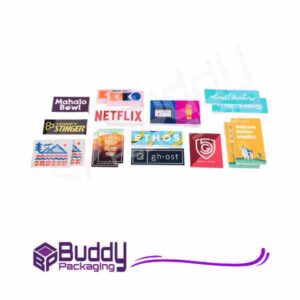
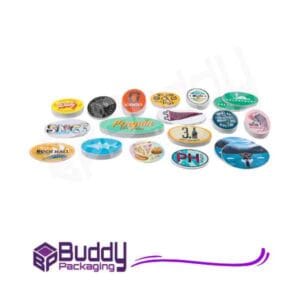
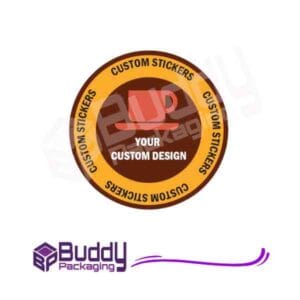
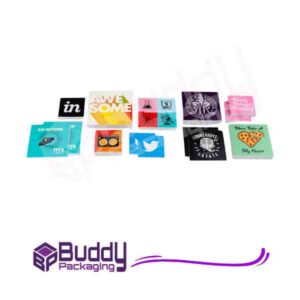
Product Labels and Stickers
Vinyl labels resist moisture and wear, making them ideal for food, cosmetics, and retail packaging. Businesses often pair vinyl labels with Custom Packaging solutions to enhance shelf appeal.
Vehicle Wraps and Graphics
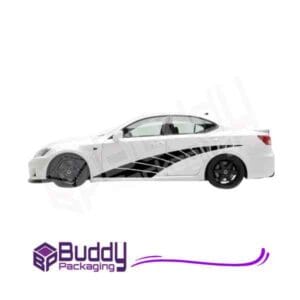
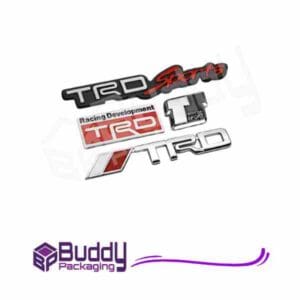
Vinyl printing design transforms vehicles into mobile advertisements with high visibility.
Signage and Banners
From indoor displays to outdoor billboards, vinyl signage remains one of the most cost-effective marketing tools.
Window and Wall Graphics
Used in retail stores, offices, and exhibitions to communicate branding and promotions.
Finishing Options That Enhance Vinyl Prints
Lamination
Adds protection against scratches, UV rays, and moisture while enhancing gloss or matte appearance.
Die-Cutting
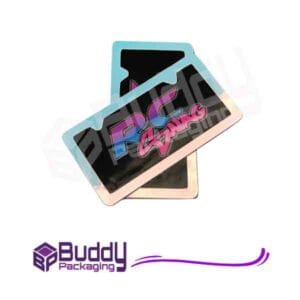
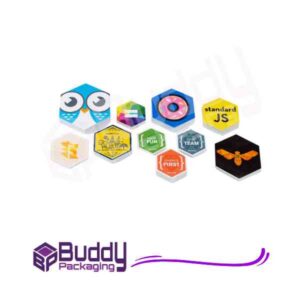
Custom shapes give stickers and labels a distinctive look.
Kiss-Cut vs Full-Cut
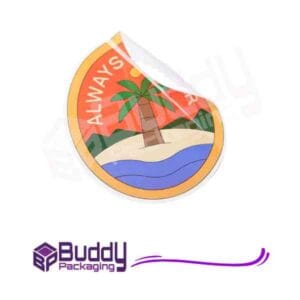
Kiss-cut vinyl keeps designs on a backing sheet, while full-cut separates individual pieces.
For deeper print & finishing insights, professional print publications are a valuable learning resource.
Vinyl Printing Design for Branding Success
Consistent vinyl printing design reinforces brand recognition across packaging, signage, and promotional materials. When your colours, typography, and finish align across all vinyl applications, customers perceive your brand as trustworthy and professional.
Working with experienced printers—such as Buddy Packaging—helps ensure quality control, material selection, and flawless execution. You can also visit the Buddy Packaging Location for in-person consultations and project discussions.
Cost Factors in Vinyl Printing Design
Material Type
Premium cast vinyl costs more than calendered vinyl but lasts longer.
Print Size and Quantity
Larger sizes and higher volumes typically reduce cost per unit.
Finishing and Customisation
Lamination, die-cutting, and specialty inks increase overall cost but add value.
Turnaround Time
Rush jobs may include additional fees.
Sustainability in Vinyl Printing
Modern vinyl printing design has become more eco-conscious with recyclable materials, water-based inks, and energy-efficient printers. Businesses seeking sustainable branding should ask printers about eco-friendly vinyl options and responsible waste disposal.
Common Mistakes to Avoid
- Using low-resolution images
- Ignoring bleed and cut lines
- Choosing the wrong vinyl type for the application
- Overcrowding designs with text
- Skipping test prints
Avoiding these mistakes ensures professional results and reduces reprint costs.
How to Choose the Right Vinyl Printing Partner
Look for a printer with:
- Proven industry experience
- High-quality equipment
- Transparent pricing
- Material samples and test prints
- Knowledge of vinyl printing design best practices
A reliable partner becomes a long-term asset for your brand.
FAQs
What is vinyl printing design used for?
Vinyl printing design is used for labels, stickers, signage, vehicle wraps, wall graphics, and promotional materials.
How long does vinyl printing last?
Depending on material and exposure, vinyl prints can last from 1 to 7 years or more.
Is vinyl printing waterproof?
Yes, most vinyl printing design solutions are water-resistant and suitable for outdoor use.
What file format is best for vinyl printing?
Vector formats like AI, EPS, or PDF are ideal for sharp, scalable prints.
Is vinyl printing expensive?
Costs vary based on size, material, and finishing, but vinyl printing design is generally cost-effective for long-term use.
Vinyl printing design is a powerful, flexible, and durable solution for modern branding needs. From packaging and labels to signage and vehicle graphics, it delivers professional results that last. By choosing the right materials, following sound design principles, and working with experienced print partners, businesses can maximize visual impact and brand consistency.