Introduction
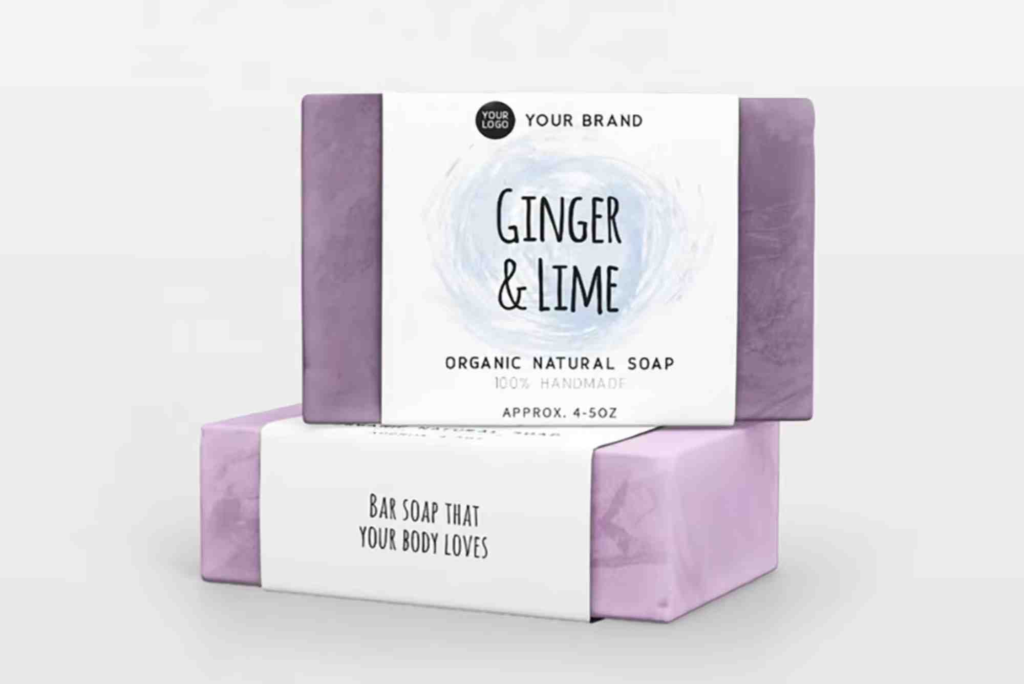
Creating soap label design templates that grab attention and communicate quality is essential for any soap brand. Whether you’re launching a handmade range or refreshing an existing line, the right design can elevate your product. This guide walks you through everything from choosing the perfect layout to mastering essential elements of a compelling soap label.
If you’ve ever browsed artisanal soap online or in stores, you’ll know how powerful visuals are. First impressions matter, and soap label design templates are at the heart of that experience. A well-crafted label not only makes your product memorable but also tells your brand’s story at a glance. Today’s buyers expect clarity, aesthetics and trustworthiness. With so much competition, having professional soap label templates gives you an edge.
Why Soap Label Design Templates Matter
Communicating Brand Identity
Your soap label is more than just a sticker on a product. It’s a mini billboard for your brand. Templates help you maintain consistency across a product line. This consistency builds recognition over time. Using uniform colours, fonts and layouts reinforces who you are to your customers.
Improving Shelf Appeal
Customers often decide in seconds whether a product is worth exploring. Attractive soap label design templates draw the eye and encourage a closer look. Clean, well-organised designs communicate professionalism and quality.
Meeting Legal Requirements
Labels don’t just look pretty; they also carry important information. Ingredients, weight and usage instructions are required on many products. A good template ensures there’s space reserved for all mandatory details without cluttering the design.
Key Elements of Effective Soap Label Design Templates
Logo and Brand Name Placement
Place your logo prominently, usually at the top or centre of the label. This ensures instant brand recognition. The brand name should be easy to read from a distance.
Typography Choices
Choose fonts that reflect your brand personality. Classic serif fonts can evoke luxury, while modern san-serifs suggest simplicity. Limit yourself to two or three fonts to avoid visual chaos.
Colour Palette
Colours should match your brand theme and soap scent. For example, green tones work well for herbal soaps, while pastel hues suit floral varieties. Maintain contrast for readability.
Graphics and Imagery
Natural illustrations, icons or patterns can enhance appeal. Always ensure graphics don’t overpower key information. Subtle elements often work best.
Ingredient List and Essential Details
Customers want transparency. Clearly list ingredients, scent notes and any certifications (e.g., organic). Use a legible font at a size that’s easy to read.
Barcode and Legal Information
If selling through retailers, include a barcode in a designated area of the template. Add legal info like weight, batch number and manufacturing details.
Types of Soap Label Design Templates
Minimalist Labels
Minimalist templates focus on simplicity and clarity. They use clean lines, white space and limited colours. These are ideal for luxury or premium brands. Minimal designs guide the eye to important details without distractions.
Artistic and Illustrated Designs
Illustrated templates are perfect for creative brands. Floral motifs, hand-drawn elements, and decorative flourishes make your products stand out. These designs often work well for small-batch, handcrafted soaps.
Rustic and Natural Styles
Rustic templates use earthy tones, textured backgrounds and natural imagery. They suit organic or herbal soap products. Think kraft paper looks and botanical accents.
Modern Trendy Labels
Bold colours, unconventional layouts and striking fonts define modern templates. These are popular with younger audiences and contemporary brands.
How to Choose the Right Template for Your Brand
Understand Your Audience
Before choosing a template, think about who buys your soap. Are they eco-conscious? Luxury seekers? Everyday users? Your target audience influences every design decision.
Match Label Shape to Packaging
Soap bars come in various shapes and packagings. Some wrap in paper, others sit in boxes. Choose templates suitable for rectangular, square or wrap-around labels. If you’re also focusing on packaging, check options for Custom Soap Boxes so the label and box work harmoniously together.
Consider Printing Options
Templates should be designed with your printing method in mind. Digital printers handle complex colours well, but screen printing may need simpler designs. Always review proofs before a large print run.
Test for Readability
No matter how beautiful a design is, it must be readable. Test your template in real size. If the font is too small or colours clash, customers will struggle to absorb the information.
Design Process: From Concept to Final Template
Research and Inspiration
Start with inspiration. Look at successful brands in your niche. Analyse what works and why. Explore colour schemes, typography combinations and layout structures. For more design guidance and label design tips, check out Creative Bloq’s resources.
Sketch Your Ideas
Before going digital, sketch rough concepts on paper. Think about hierarchy—what needs to be seen first? How will elements align?
Use Design Tools
Digital tools like Adobe Illustrator, Photoshop or online editors help you turn ideas into polished templates. Work with layers to keep your design organised.
Choose Colours and Fonts
Finalise your palette and typography. Stick to brand colours to build recognition.
Add Essential Information
Input only the necessary text. Overcrowding a label makes it hard to read.
Review and Revise
Take a step back and review your design. Ask for feedback from others. Make adjustments until it feels balanced and clear.
Print a Prototype
Always print a prototype before full production. Check colours, size and overall feel.
Common Mistakes to Avoid in Soap Label Templates
Overloading with Text
Too much information makes a label overwhelming. Include essentials only and keep text concise.
Poor Contrast Between Text and Background
Light text on a pale background may look pretty but is hard to read. Ensure strong contrast for legibility.
Ignoring Brand Consistency
Using different fonts and colours across products confuses customers. Keep templates consistent to strengthen your brand identity.
Neglecting Legal Requirements
Failing to include required details can cause regulatory issues. Always check current guidelines for cosmetics labelling.
Trends in Soap Label Design
Eco-Friendly Labels
Sustainable packaging is a growing trend. Labels using recycled materials with earthy design elements appeal to eco-conscious buyers.
Hand-Drawn Illustrations
Unique, hand-drawn artwork gives soaps an artisanal feel. These illustrations make products feel personal and crafted with care.
Interactive Labels
QR codes linking to product stories or tutorials are gaining popularity. They add an interactive element without cluttering the label.
Transparent Labels
Clear labels let customers see the soap beneath. These work especially well with colourful or textured bars.
Printing and Production Tips
Choose Quality Materials
Select label materials that withstand moisture and handling. Waterproof or smudge-resistant options are ideal for soap packaging.
Match Finish to Brand Tone
Glossy finishes suit vibrant designs, while matte finishes evoke understated sophistication. Align your finish choice with brand personality.
Work with Trusted Printers
Find printers experienced in label production. They can advise on materials, colour profiles and embossing options.
Real-World Examples of Effective Soap Labels
Imagine a botanical soap brand using earthy greens and botanical sketches on recycled paper labels. The design whispers natural ingredients and artisanal care.
Another brand might use bold typography with colourful accents for a youthful, modern look. Clear scent names and simple ingredient lists make the product user-friendly.
Premium brands often use minimalist templates with gold foiling and restrained palettes. The result? A luxury feel that justifies higher price points.
Soap label design templates play a vital role in product success. They communicate your brand, inform the customer, and enhance shelf appeal. With thoughtful design, a clear layout and attention to detail, your labels can turn browsers into buyers.
Designing effective templates takes planning, creativity and testing. From choosing colours and fonts to ensuring legal compliance, every step matters. When aligned with your brand and audience, great labels elevate your soap from commodity to coveted item.
Ready to elevate your soap branding? Explore professional packaging and labels that complement your designs and reflect your vision. Don’t miss the chance to enhance presentation and customer impact by pairing great labels with Custom Soap Boxes from trusted manufacturers. Visit Buddy Packaging Location for more options and inspiration.
Looking to make your craft beer stand out on the shelf? Discover how beer bottle label design can elevate your brand identity with creative visuals and high-quality printing. A well-designed label captures attention, tells your brand story, and leaves a lasting impression on customers.
FAQs
What size should a soap label be?
Soap label sizes vary depending on bar shape and packaging. Measure the surface area first and design your template to fit seamlessly without crowding.
What elements are essential on a soap label?
A clear brand name, product name, scent, ingredients, weight and any certifications are essential. Include legal details where required.
How can I make my soap label look professional?
Stick to a cohesive colour palette, use high-resolution graphics, and choose legible fonts. Always test print before final production.
Can I design soap labels myself?
Yes, with design tools and planning you can create professional-looking labels. However, working with designers or using ready-made templates speeds up the process and ensures quality.
Should soap labels be waterproof?
Waterproof or water-resistant labels are recommended for soaps that might get damp during use or storage. This ensures longevity and maintains appearance.