Introduction
Business label design plays a vital role in how customers see your brand. A label is often the first detail they notice. It communicates quality, trust, and personality in seconds. Because of this, smart business label design can directly influence buying decisions.
A well-planned label does more than display a name. It tells a story, builds recognition, and creates consistency. Whether you sell food, cosmetics, or handmade goods, your label matters. In today’s crowded market, effective business label design helps your product stand out without confusion.
This guide explores how to create labels that look professional and perform well. You will learn how to balance style, clarity, and branding. By the end, you will understand how strong business label design supports growth and customer loyalty.
Why Business Label Design Matters
Customers often judge products by appearance. Before they read details, they notice colour, shape, and typography. This means business label design shapes first impressions.
A clear and attractive label builds trust quickly. When customers trust the look, they trust the product. On the other hand, poor business label design can suggest low quality. Even a great product may struggle to sell with weak packaging.
Labels also help customers recognise your brand. Consistent colours and fonts create familiarity. Over time, buyers begin to spot your products instantly. This brand recognition improves repeat purchases and loyalty.
Another reason business label design matters is compliance. Many industries require ingredient lists, safety details, and barcodes. A professional approach ensures everything fits neatly and remains readable.
Core Elements of Effective Business Label Design
Creating a strong label involves more than choosing colours. Several elements must work together. Each detail contributes to clarity and appeal.
Brand Identity
Your brand identity should guide every design choice. Colours, fonts, and tone must match your brand personality. A luxury brand may use minimal fonts and muted tones. A playful brand might use bold colours and fun typography.
Consistency strengthens recognition. When your business label design matches your website and packaging, customers feel confident. They understand what your brand represents.
Typography
Typography affects readability and mood. Choose fonts that match your brand style. Avoid using too many fonts on one label. Two fonts are usually enough.
Text must remain readable at small sizes. Customers often glance quickly at products. Clear typography ensures they understand the information instantly.
Colour Psychology
Colours influence emotions and buying behaviour. Green often suggests natural products. Black can signal luxury or sophistication. Bright colours can attract attention on crowded shelves.
When planning business label design, consider contrast. Text must stand out from the background. Strong contrast improves readability and accessibility.
Material and Finish
Labels come in many materials. Paper labels suit many products. Waterproof vinyl works well for bottles and jars. Foil finishes add a premium feel.
The right material supports your brand image. It also ensures durability during shipping and handling. High-quality materials make business label design look polished and professional.
Designing for Different Industries
Every industry has unique needs. A food label differs from a skincare label. Understanding these differences helps create effective business label design.
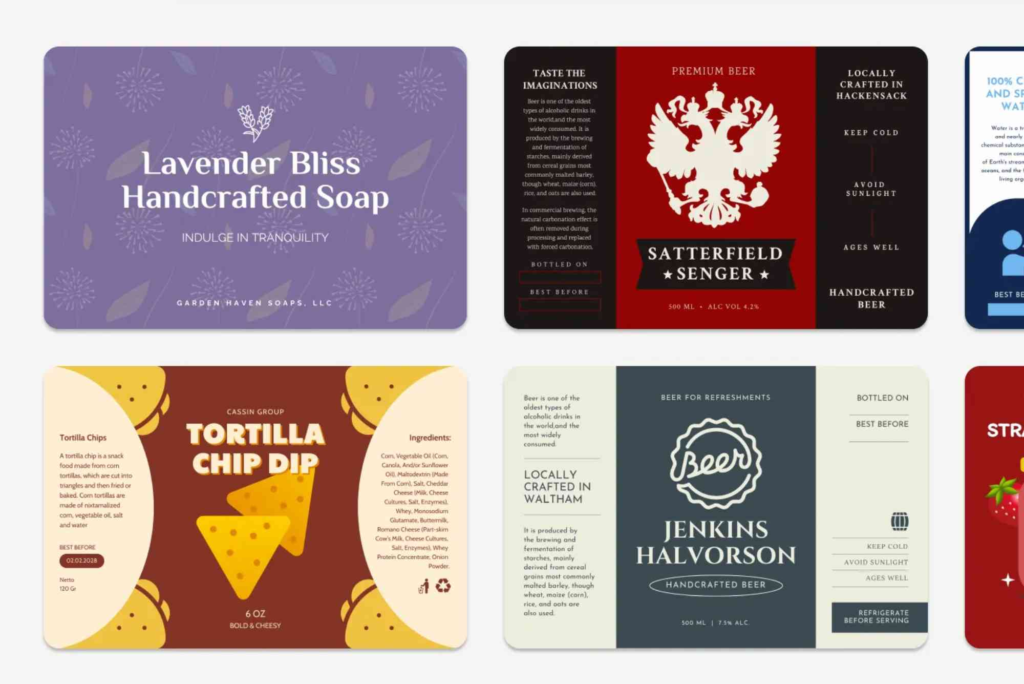
Food products often require ingredient lists and expiry dates. These details must be clear and easy to find. Skincare labels need instructions and safety information. Handmade crafts may focus more on storytelling and brand personality.
Despite these differences, clarity remains essential. Customers should quickly understand what the product is and why it matters. Good business label design balances required information with visual appeal.
Practical Tips for Creating Strong Labels
Start by researching your audience. Understand their preferences and expectations. A label for children’s products will differ from one for luxury goods.
Sketch ideas before designing digitally. This helps explore layouts quickly. Consider how the label will look on the actual product. Size and shape can change the design’s impact.
Keep information organised. Use headings and spacing to guide the reader’s eye. Avoid overcrowding the label. White space improves readability and elegance.
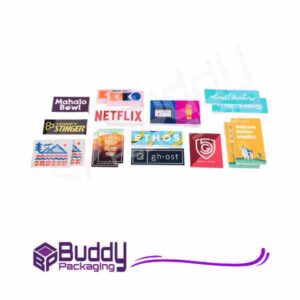
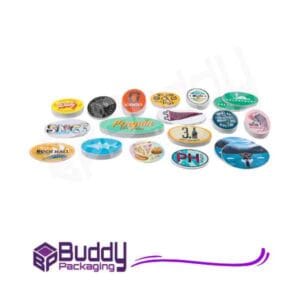
If you want professional results, consider working with designers or printers. Many services offer Custom Labels that match your brand needs. Custom printing ensures colours and materials align with your vision.
For creative ideas, browsing label design inspiration can help. Seeing successful examples sparks new concepts. It also shows how other brands communicate visually.
Balancing Creativity and Clarity
Creativity helps a label stand out. However, clarity must always come first. Customers need to understand the product quickly.
Avoid overly complex graphics. Simple designs often work best. They remain readable from a distance. Minimal designs also feel modern and professional.
Use visual hierarchy to guide attention. The product name should be clear. Key benefits should follow. Supporting details can appear smaller. This structure improves scanning and comprehension.
Strong business label design balances personality and function. It looks appealing while delivering essential information.
Digital and Print Considerations
Designing for print requires careful preparation. Colours may appear different on screen and paper. Always check print proofs before final production.
Resolution also matters. Low-quality images can look blurry when printed. Use high-resolution files for sharp results.
Consider how the label interacts with packaging. Curved bottles require flexible designs. Transparent containers may need opaque backgrounds.
Digital tools make designing easier. However, professional printing ensures quality. Combining both leads to better business label design outcomes.
Common Mistakes to Avoid
Many businesses rush the design process. This often leads to cluttered labels. Too much information can overwhelm customers.
Another mistake is ignoring readability. Fancy fonts may look attractive but can be hard to read. Always test labels at real size.
Inconsistent branding can also weaken impact. If each product has a different style, recognition suffers. Consistency strengthens trust and memory.
Finally, avoid low-quality materials. Cheap labels can peel or fade. This damages the product’s perceived value. Investing in quality supports long-term branding.
How Business Label Design Supports Marketing
Labels are powerful marketing tools. They communicate value and personality instantly. When customers see your label, they form opinions quickly.
A memorable label encourages sharing on social media. Attractive packaging often appears in photos and reviews. This free exposure boosts visibility.
Business label design also supports storytelling. Short taglines or icons can express brand values. Customers connect emotionally with brands that feel authentic.
Over time, consistent labels build brand equity. Customers begin to associate your design with reliability. This trust encourages repeat purchases and recommendations.
Future Trends in Business Label Design
Design trends change as consumer preferences evolve. Sustainable materials are becoming more popular. Many brands now use recyclable or biodegradable labels.
Minimalist design continues to grow. Clean layouts and simple typography feel modern and trustworthy. Transparent labels also remain popular for certain products.
Personalisation is another trend. Some brands offer customised labels for events or limited editions. This approach creates excitement and exclusivity.
Despite trends, clarity and authenticity remain essential. Timeless business label design focuses on communication and quality.
Business label design is more than decoration. It shapes how customers perceive your brand. A thoughtful label communicates quality, trust, and identity. It helps your product stand out and encourages loyalty.
By focusing on clarity, consistency, and creativity, you can create labels that work. Consider materials, typography, and colour carefully. Test designs in real settings before printing.
Investing in strong business label design supports long-term growth. It improves recognition and builds customer confidence. Start refining your labels today to strengthen your brand presence. If you want professional results, explore custom printing options and design resources. A strong label can transform how customers experience your product.
Effective Care Label Design helps brands communicate washing instructions, fabric details, and durability guidance clearly to customers. A well-crafted label not only ensures compliance with industry standards but also builds trust and enhances the overall product experience. Using readable typography, durable materials, and clear symbols, thoughtful care label design supports garment longevity while reinforcing a professional brand image in the UK and beyond.
FAQs
What makes a good business label design?
A good design is clear, readable, and consistent with your brand. It communicates key details quickly and looks professional on packaging.
How do I choose colours for my label?
Choose colours that match your brand identity. Ensure strong contrast for readability and consider emotional impact.
Should I hire a designer for my label?
Hiring a designer can improve quality and consistency. However, simple designs can be created with good tools and research.
What size should my label be?
The size depends on your packaging. Always measure the product and test a sample before printing in bulk.
Can label design affect sales?
Yes, strong business label design improves first impressions and trust. This can increase customer interest and repeat purchases.