Packaging design portfolio examples are more than a gallery of past work. They are proof of thinking, strategy, and commercial impact. For designers, studios, and brands, a strong portfolio explains not only how packaging looks, but why it works. When done well, it builds trust, supports SEO visibility, and converts visitors into enquiries.
In today’s competitive market, clients want evidence of experience, originality, and results. Whether you are inspired by global studios or niche projects like boutique fitness brands such as Orange Theory Mountain View, your portfolio must tell a clear and credible story. This article explores how the best packaging design portfolio examples are structured, what they include, and how you can apply these ideas to your own work.
Why Packaging Design Portfolios Matter More Than Ever
Packaging is no longer just about protection or shelf presence. It is a brand’s first physical interaction with customers. Because of this, clients carefully review portfolios before choosing a designer or supplier.
A well-crafted portfolio demonstrates problem-solving skills. It shows how designers understand materials, sustainability, printing, and consumer psychology. More importantly, it highlights real-world outcomes, such as increased sales or improved brand recognition. Google also rewards this depth of expertise, aligning closely with E-E-A-T principles.
For agencies and freelancers, portfolios are often more persuasive than sales copy. They allow prospects to visualise how their own products could look and feel. This emotional connection is hard to achieve through words alone.
What Makes Great Packaging Design Portfolio Examples Stand Out
The strongest portfolios share common traits, even across different industries. They balance creativity with clarity and never overwhelm the viewer. Each project feels intentional and well-documented.
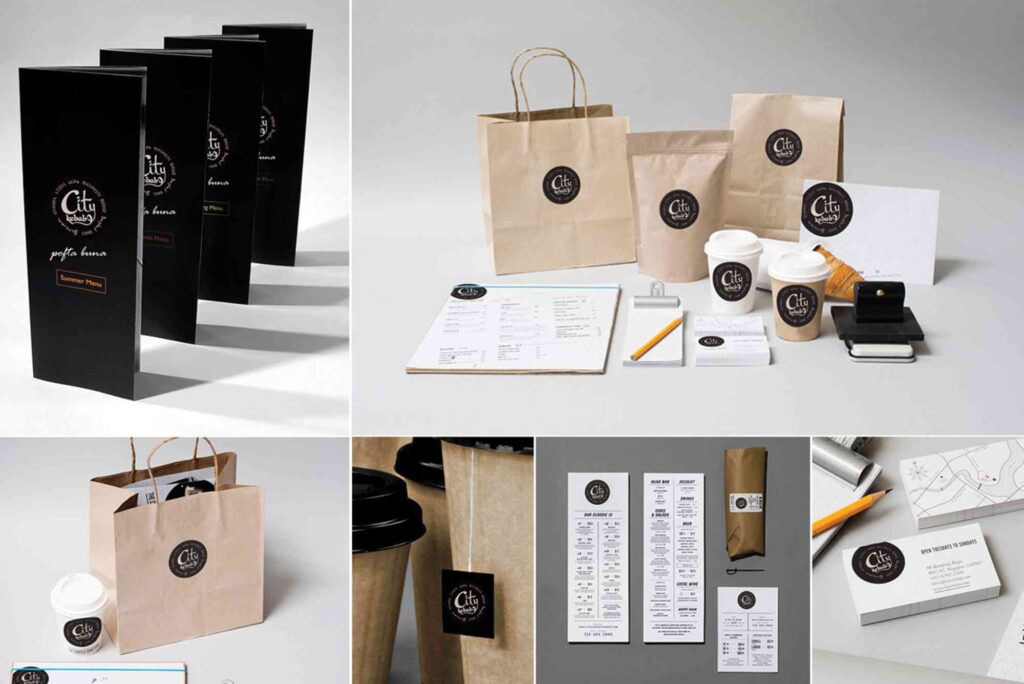
High-quality photography is essential. Lighting, angles, and context shots help clients imagine the product in real environments. Beyond visuals, strong written explanations add depth. These explain the brief, challenges, and final solution in plain language.
Another defining feature is consistency. Fonts, layouts, and tone should reflect the designer’s brand. When portfolios feel cohesive, they signal professionalism and reliability. This consistency reassures clients that the same care will be applied to their project.
Showcasing Strategy, Not Just Aesthetics
Many average portfolios focus only on how packaging looks. The best packaging design portfolio examples go further by explaining strategy. They show how research informed decisions about colours, typography, and materials.
For example, a fitness brand like Orange Theory Mountain View may require bold colours and energetic layouts. A portfolio that explains how these choices align with the brand’s audience feels more credible. It demonstrates understanding of market positioning rather than surface-level design.
Including early sketches or concepts can also add value. These insights reveal creative thinking and problem-solving skills. Clients often appreciate seeing the journey, not just the destination.
Industry-Specific Portfolio Examples That Inspire Trust
Packaging needs vary widely by industry. Food, cosmetics, supplements, and retail all have unique requirements. Effective portfolios acknowledge this diversity and adapt accordingly.
In food packaging, portfolios often highlight compliance, shelf appeal, and sustainability. Cosmetic packaging portfolios may focus on premium finishes and tactile experiences. Fitness and lifestyle brands typically prioritise bold branding and durability.
Referencing well-known inspirations can strengthen credibility. Platforms like packaging design inspiration offer exposure to global standards and trends. When portfolios reflect awareness of these benchmarks, they feel current and relevant.
Sustainability as a Portfolio Differentiator
Sustainability has become a deciding factor for many clients. Modern packaging design portfolio examples increasingly showcase eco-conscious solutions. These might include recyclable materials, reduced ink coverage, or innovative structures.
Explaining the environmental impact of design choices builds trust. It also aligns with evolving consumer expectations and regulations in the UK and Europe. Designers who demonstrate practical sustainability experience stand out in crowded markets.
Importantly, sustainability should feel authentic. Clients can easily tell when it is treated as a trend rather than a principle. Portfolios that include measurable outcomes, such as reduced waste or improved recyclability, feel more credible.
The Role of Custom Packaging in Portfolio Storytelling
Custom packaging projects are often the most compelling portfolio pieces. They show originality and adaptability, rather than reliance on templates. When designers highlight bespoke solutions, it signals a higher level of expertise.
Linking portfolio examples to real production outcomes adds authority. For instance, referencing how a concept translated into Custom Packaging shows understanding of manufacturing constraints and costs. This practical knowledge reassures clients that designs are achievable, not just visually appealing.
Custom projects also allow designers to showcase collaboration. Mentioning work with printers, suppliers, or brand teams demonstrates communication skills, which are often as important as creativity.
How Location and Context Add Credibility
Location can subtly influence trust and relevance. Clients often prefer working with designers who understand local markets. Including contextual references strengthens portfolios without feeling forced.
Mentioning project locations, studios, or even a Buddy Packaging Location can humanise the brand. It reassures clients that there is a real team behind the work, not just an online presence. This transparency supports Google’s trust signals and improves conversion rates.
Contextual photography also plays a role. Showing packaging in shops, gyms, or homes helps clients imagine real-world use. This is especially effective for lifestyle and fitness brands.
Structuring Your Packaging Design Portfolio for SEO
Beyond visual appeal, portfolios should be optimised for search engines. Clear headings, descriptive text, and internal links improve discoverability. Using the focus keyword naturally helps search engines understand relevance.
Each project page should include a concise overview, challenges, solutions, and outcomes. This structure supports featured snippets and paragraph-based SERP results. Writing in plain English also improves readability for users and algorithms alike.
External links to credible sources add further authority. Referencing industry platforms or case studies signals research and experience. This aligns with Google’s emphasis on expertise and trustworthiness.
Common Mistakes Seen in Packaging Design Portfolios
Even talented designers can undermine their portfolios with avoidable mistakes. Overloading pages with images can slow performance and distract from key messages. Equally, minimal text may leave clients confused about the designer’s role.
Another issue is outdated work. Portfolios should evolve with trends and skills. Regular updates show growth and ongoing engagement with the industry. Removing weaker projects can often strengthen overall perception.
Finally, inconsistent branding can hurt credibility. If the portfolio design clashes with the work shown, it creates confusion. A clear, confident presentation always performs better.
Frequently Asked Questions About Packaging Design Portfolio Examples
What should a packaging design portfolio include?
A strong portfolio includes high-quality visuals, clear explanations, and real outcomes. It should show strategy, creativity, and practical knowledge in equal measure.
How many projects should be in a packaging design portfolio?
Quality matters more than quantity. Five to ten well-documented projects usually provide enough depth without overwhelming visitors.
Do packaging design portfolios need written case studies?
Yes, written context adds credibility and clarity. Case studies help clients understand decisions and results, not just visual style.
How often should a packaging design portfolio be updated?
Ideally, portfolios should be reviewed every six months. Regular updates keep content relevant and aligned with current trends.
Can packaging design portfolios help with SEO?
Absolutely. Optimised portfolios with clear text, headings, and links can attract organic traffic and generate enquiries.
Turning Inspiration Into Action
Packaging design portfolio examples offer more than inspiration. They set standards for clarity, credibility, and creativity. The most effective portfolios combine strong visuals with thoughtful explanations and real-world impact.
If you are building or refining your own portfolio, focus on storytelling, consistency, and relevance. Show how your designs solve problems and deliver value. This approach not only attracts clients but also strengthens your online presence.