Glass Packaging Design: A Complete Guide to Creating Premium, Sustainable, and Impactful Packaging
Glass packaging design plays a crucial role in shaping how consumers perceive a product. From luxury perfumes and gourmet foods to beverages and pharmaceuticals, glass packaging is often associated with quality, purity, and trust. In today’s competitive market, brands are not just choosing glass for its functionality, but also for its ability to communicate value, sustainability, and brand identity.
This in-depth guide explores everything you need to know about glass packaging design—its benefits, design principles, trends, sustainability factors, and how brands can use it strategically to stand out. Whether you are a business owner, designer, or marketer, this article will help you make informed decisions and create packaging that resonates with consumers.
What Is Glass Packaging Design?
Glass packaging design refers to the creative and functional process of designing glass containers—such as bottles, jars, and vials—that protect products while enhancing their visual appeal and usability. It combines aesthetics, material science, branding, and consumer psychology to deliver a packaging solution that aligns with both product requirements and brand values.
Unlike other materials, glass offers a unique balance of transparency, durability, and elegance. A well-executed glass packaging design not only preserves product integrity but also tells a story that builds emotional connections with customers.
Why Glass Packaging Design Matters for Brands
Enhancing Brand Perception and Value
Glass packaging is often perceived as premium and trustworthy. Consumers associate glass with purity, safety, and high quality, especially in industries like food, beverages, cosmetics, and healthcare. A thoughtfully designed glass package can instantly elevate a brand’s positioning.
Building Consumer Trust
Glass is non-reactive and impermeable, meaning it does not absorb flavors, odors, or chemicals. This makes it ideal for products where freshness and safety are critical. Clear glass packaging also allows consumers to see the product, reinforcing transparency and honesty.
Differentiation in a Competitive Market
In crowded retail spaces, unique glass packaging design can help products stand out on shelves. Custom shapes, textures, and finishes allow brands to create distinctive packaging that captures attention and improves recall.
Key Benefits of Glass Packaging Design
Sustainability and Environmental Responsibility
Glass is 100% recyclable and can be recycled endlessly without losing quality. This makes glass packaging design a strong choice for eco-conscious brands aiming to reduce their environmental footprint.
Superior Product Protection
Glass provides excellent barrier properties against oxygen, moisture, and contaminants. This ensures longer shelf life and preserves product quality, especially for food and beverages.
Versatility Across Industries
From wine bottles and spice jars to skincare containers and pharmaceutical vials, glass packaging design adapts easily to different industries and product types.
Core Elements of Effective Glass Packaging Design
Shape and Structure
The shape of a glass container significantly impacts both usability and brand identity. Ergonomic designs improve handling, while custom silhouettes create visual distinction. Structural integrity is also essential to prevent breakage during transportation.
Colour and Transparency
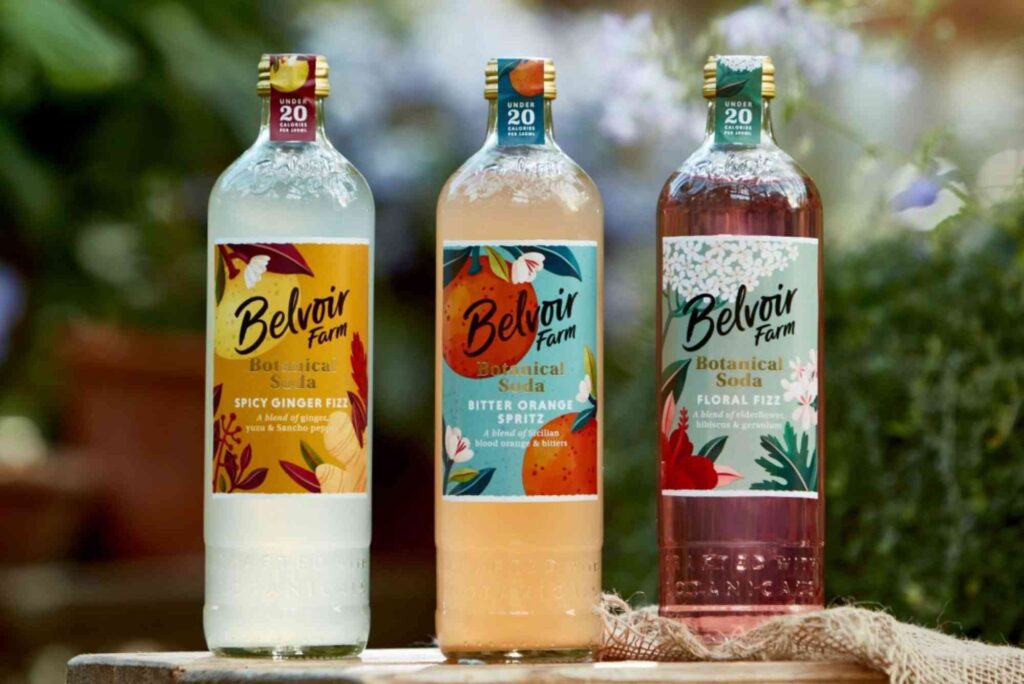
Glass packaging design can use clear, frosted, or coloured glass to influence consumer perception. Clear glass emphasizes purity and freshness, while darker hues protect light-sensitive products and convey sophistication.
Surface Treatments and Finishes
Embossing, debossing, etching, and screen printing add tactile and visual interest to glass packaging. These details enhance the sensory experience and reinforce premium branding.
Closures and Accessories
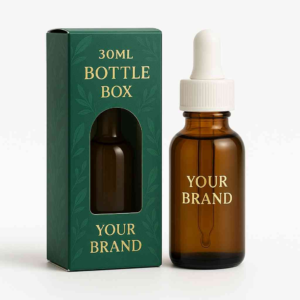
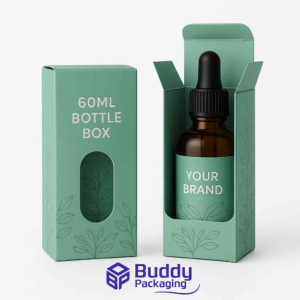
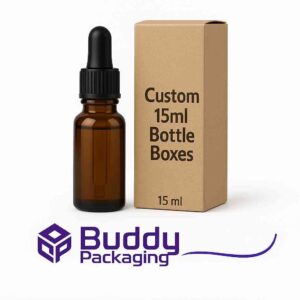
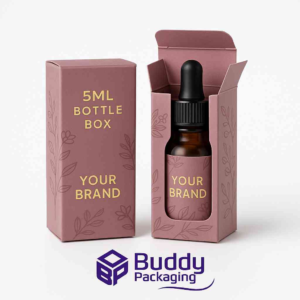
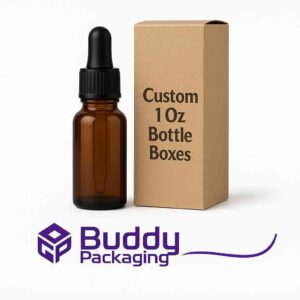
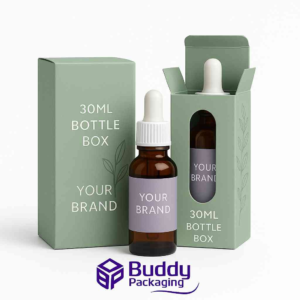
Caps, corks, droppers, and lids should complement the glass container’s design while ensuring functionality. A cohesive closure design enhances both usability and aesthetic appeal.
Glass Packaging Design Trends Shaping the Market
Minimalist and Clean Designs
Modern consumers favor simplicity. Minimalist glass packaging design with clean lines, subtle typography, and limited colour palettes communicates authenticity and elegance.
Vintage and Heritage-Inspired Packaging
Many brands are revisiting classic glass packaging styles to evoke nostalgia and craftsmanship. This trend is particularly popular in spirits, perfumes, and artisanal food products.
Custom and Bespoke Glass Solutions
Custom molds and unique shapes are becoming more accessible, allowing brands to invest in Custom Packaging solutions that strengthen brand recognition.
Smart and Functional Design Enhancements
Innovations such as tamper-evident features, resealable closures, and ergonomic grips are being integrated into glass packaging design to improve user experience.
Sustainability and Glass Packaging Design
Reducing Environmental Impact
Glass packaging design supports sustainability goals through recyclability and reusability. Lightweight glass technologies also help reduce carbon emissions during transportation.
Supporting Circular Economy Models
Many brands encourage consumers to reuse glass containers, extending their lifecycle and reducing waste. Refillable glass packaging systems are gaining popularity in cosmetics and home products.
Communicating Sustainability Through Design
Eco-friendly glass packaging design often includes visual cues such as natural textures, earthy tones, and minimal labeling to reinforce environmental messaging.
The Role of Branding in Glass Packaging Design
Visual Identity and Storytelling
Glass packaging serves as a physical representation of a brand’s story. Elements such as logos, typography, and imagery should align with the brand’s values and target audience.
Emotional Connection with Consumers
Premium glass packaging design creates a sensory experience—visual clarity, tactile weight, and sound—that enhances emotional engagement and perceived value.
Inspiration from Global Design Trends
Designers often explore packaging design inspiration platforms to stay updated on global trends and innovative glass packaging concepts.
Industries That Benefit Most from Glass Packaging Design
Food and Beverage Industry
Glass is widely used for beverages, sauces, jams, and dairy products due to its safety and preservation qualities. Premium glass packaging design enhances shelf appeal and consumer trust.
Cosmetics and Personal Care
Luxury skincare and fragrance brands rely on glass packaging to convey sophistication and purity. Frosted glass and elegant finishes are common in this sector.
Pharmaceuticals and Healthcare
Glass packaging design ensures product stability and compliance with strict safety standards, making it essential for medicines and supplements.
Practical Tips for Designing Effective Glass Packaging
Understand Your Target Audience
Design choices should reflect consumer preferences, usage habits, and lifestyle. A premium audience may prefer heavy, ornate glass, while eco-conscious consumers may favor minimalist designs.
Balance Aesthetics with Functionality
While visual appeal is important, glass packaging design must also consider durability, storage, and ease of use.
Collaborate with Experienced Manufacturers
Working with experts ensures that design concepts are feasible, cost-effective, and compliant with industry regulations. Visiting or consulting a trusted packaging partner, such as the Buddy Packaging Location, can help streamline the process.
Common Challenges in Glass Packaging Design and How to Overcome Them
Cost Considerations
Glass packaging can be more expensive than alternatives. Optimizing design, reducing material thickness, and ordering in bulk can help manage costs.
Breakage and Transportation Risks
Using protective secondary packaging and testing designs for durability reduces the risk of damage during shipping.
Regulatory Compliance
Different industries have strict packaging regulations. Ensuring compliance early in the design phase prevents costly redesigns.
Future of Glass Packaging Design
The future of glass packaging design lies in innovation, sustainability, and personalisation. Advances in lightweight glass, smart labeling, and refillable systems will continue to shape the industry. As consumers increasingly value transparency and environmental responsibility, glass packaging will remain a preferred choice for forward-thinking brands.
FAQs
What are the advantages of glass packaging over plastic?
Glass packaging design offers better product protection, is non-reactive, fully recyclable, and conveys a premium image compared to plastic.
Is glass packaging environmentally friendly?
Yes, glass is one of the most sustainable packaging materials because it can be recycled endlessly without quality loss.
How can glass packaging design improve brand identity?
Unique shapes, finishes, and branding elements in glass packaging design help differentiate products and reinforce brand values.
Is glass packaging suitable for all products?
While ideal for many industries, glass packaging design may not suit products requiring lightweight or impact-resistant materials.
What industries commonly use glass packaging?
Food and beverage, cosmetics, pharmaceuticals, and luxury goods industries frequently use glass packaging.
Glass packaging design is more than just a container—it is a powerful branding tool that communicates quality, trust, and sustainability. By investing in thoughtful design, brands can enhance product appeal, build stronger consumer connections, and stand out in competitive markets.