Introduction
Skincare label design plays a vital role in how customers see and trust a beauty brand. A well-crafted label tells a story, builds credibility, and encourages purchases. In a crowded market, effective skincare label design helps products stand out on shelves and online. It also ensures compliance with regulations and communicates key details clearly. When done right, it blends creativity with strategy to support brand growth.
Today’s skincare buyers look for authenticity, clarity, and visual appeal. Labels must feel premium and informative at the same time. Therefore, brands need a thoughtful approach that combines aesthetics, usability, and legal requirements. From typography to materials, every detail matters. As a result, skincare label design has become a crucial element of product success.
Why Skincare Label Design Matters
A skincare label is often the first point of contact between a brand and its customer. It creates an immediate impression that shapes trust. A clean and professional label signals quality and reliability. Meanwhile, confusing or cluttered designs may turn buyers away.
Strong skincare label design also supports brand recognition. Consistent colours, fonts, and layouts help customers remember products. Over time, this consistency builds loyalty and repeat purchases. Furthermore, labels provide essential information about ingredients and usage. This transparency increases confidence in the product.
Another key aspect is compliance. Beauty products must follow local and international labelling regulations. Proper skincare label design ensures all required information appears clearly. This protects both the brand and the consumer.
Key Elements of Effective Skincare Label Design
Typography and Readability
Typography should reflect the brand’s personality while remaining easy to read. Clear fonts help customers find important details quickly. Small text can cause frustration and reduce trust. Therefore, choose fonts that balance style with clarity.
Spacing and hierarchy also matter. Headings, product names, and ingredients should stand out. This makes the label easy to scan in seconds. A well-structured layout improves the customer experience.
Colour Psychology
Colour choices influence emotions and perceptions. Soft tones often suggest calm and natural ingredients. Bold colours may signal innovation or energy. Brands should choose palettes that align with their message.
Consistency across products strengthens recognition. When colours remain uniform, customers identify the brand easily. This approach supports long-term branding goals.
Materials and Finishes
Label materials affect both appearance and durability. Waterproof and oil-resistant options suit bathroom environments. Premium finishes like matte or gloss add a luxurious feel. Texture can also enhance the customer’s tactile experience.
Eco-friendly materials are increasingly popular. Many customers prefer sustainable packaging. Using recyclable or biodegradable labels supports these values.
Brand Story and Messaging
Every label should tell a clear brand story. Short descriptions explain what makes the product unique. Messaging should focus on benefits and key ingredients. Honest claims build trust and credibility.
Storytelling helps create emotional connections. Customers often choose products that align with their values. Therefore, skincare label design should reflect the brand’s mission.
Balancing Creativity and Compliance
Creative freedom is essential in skincare label design. However, brands must also follow strict regulations. Ingredient lists, warnings, and contact details must appear clearly. These elements protect consumers and ensure legal compliance.
Designers should integrate required information seamlessly. Instead of cluttering the label, they can use smart layouts. Clear sections and readable fonts keep the design attractive. This balance allows creativity without sacrificing clarity.
Different regions have different requirements. For example, the UK and EU follow specific cosmetic labelling rules. Brands selling internationally must check each market. This ensures labels meet all standards.
Designing for Target Audiences
Understanding the target audience shapes every design choice. Luxury skincare buyers expect elegant and minimal labels. Meanwhile, younger audiences may prefer bold and playful styles. Skincare label design should reflect these preferences.
Cultural factors also influence design decisions. Colours and symbols can carry different meanings. Brands should research their markets carefully. This avoids confusion and ensures relevance.
Personalisation is another growing trend. Customised labels create unique experiences for customers. Businesses can explore options like Custom Labels through trusted suppliers such as . Tailored designs help brands stand out and connect with their audience.
Trends in Modern Skincare Label Design
The skincare industry evolves quickly, and label design follows these changes. Minimalism remains a strong trend. Clean layouts and neutral colours create a modern look. This approach highlights ingredients and benefits.
Transparency is another key trend. Customers want clear information about formulations. Labels now focus on simple language and honest claims. This builds trust andction and loyalty.
Sustainability also shapes design choices. Eco-friendly materials and refillable packaging gain popularity. Brands that adopt these practices appeal to conscious consumers.
Digital integration is growing too. QR codes allow customers to access more information. They can read reviews, tutorials, or ingredient details. This creates a deeper connection with the brand.
The Role of Professional Designers
Professional designers bring expertise and creativity to skincare label design. They understand layout, colour theory, and branding. Their experience helps create labels that look polished and effective. Working with experts can save time and reduce errors.
Designers also stay updated on industry trends. They know what appeals to modern consumers. This knowledge ensures labels remain relevant and competitive. Collaboration between brands and designers leads to stronger results.
Exploring resources for label design inspiration can spark new ideas. Websites like showcase innovative packaging from around the world. Studying these examples helps brands refine their visual identity.
Printing and Production Considerations
Printing quality affects the final look of skincare labels. Poor printing can ruin even the best design. Therefore, brands should choose reliable printing partners. High-resolution printing ensures sharp text and colours.
Testing labels before full production is essential. This step checks durability and adhesion. Labels should withstand moisture and handling. Proper testing prevents costly mistakes.
Batch sizes also influence decisions. Small brands may prefer short print runs. This allows flexibility and updates. Larger brands often choose bulk printing for cost efficiency.
Building Brand Consistency Across Products
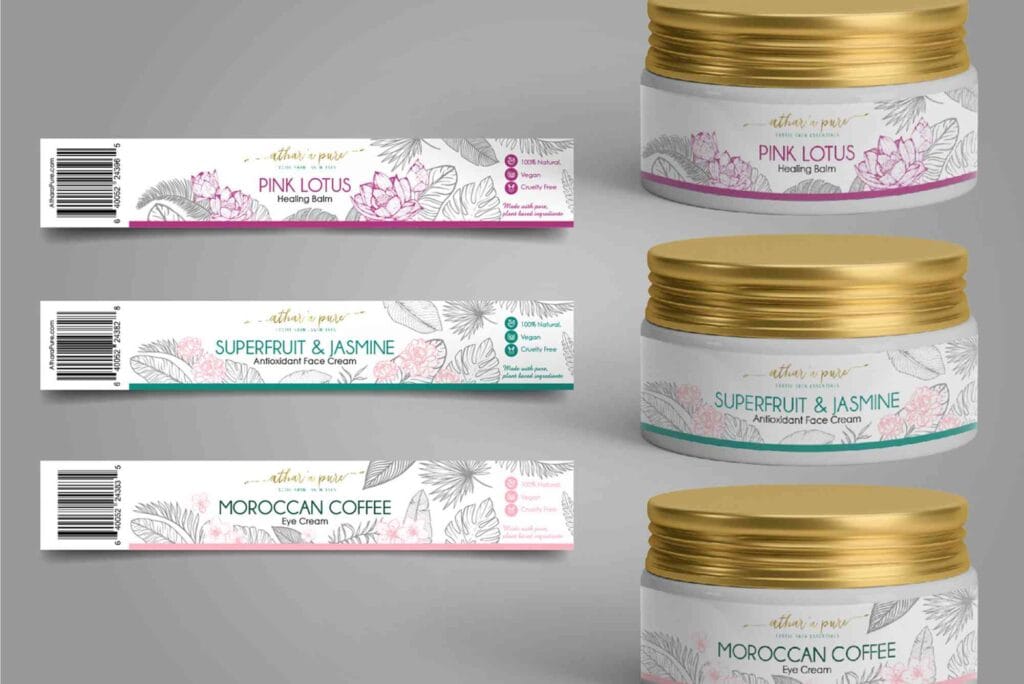
Consistency strengthens brand identity. All products should share similar design elements. This includes fonts, colours, and logo placement. Customers recognise brands faster when visuals remain consistent.
However, slight variations can differentiate products. For example, different colours can indicate product types. This approach maintains unity while allowing variety. Skincare label design should balance consistency with distinction.
Brand guidelines help maintain this balance. Clear rules ensure all labels follow the same style. This keeps the brand cohesive across product lines.
Common Mistakes to Avoid
Some brands overload labels with information. This creates clutter and confusion. Instead, focus on clarity and simplicity. Prioritise essential details and remove unnecessary text.
Another mistake is ignoring readability. Fancy fonts may look appealing but reduce clarity. Always test designs with real users. Feedback helps identify issues early.
Skipping compliance checks can cause serious problems. Incorrect labels may lead to recalls or fines. Always review regulations before finalising designs. Careful planning prevents costly errors.
Future of Skincare Label Design
Technology continues to influence skincare label design. Smart packaging and augmented reality may become more common. Customers could scan labels for interactive experiences. This adds value and engagement.
Sustainability will remain a major focus. Brands will seek eco-friendly materials and processes. Transparent sourcing and recyclable packaging will shape future designs. Consumers expect responsible practices.
Personalisation and small-batch production will also grow. Digital printing allows flexible designs. Brands can adapt quickly to trends and feedback. This keeps them competitive in a fast-changing market.
Skincare label design is more than decoration. It is a powerful tool for communication, branding, and compliance. A well-designed label builds trust and attracts customers. It also supports long-term brand recognition and growth.
By focusing on clarity, creativity, and consistency, brands can create effective labels. Understanding the audience and regulations ensures success. Investing in quality design and materials pays off over time. If you want your products to stand out, start refining your skincare label design today. Explore professional options and bring your brand vision to life.
A thoughtful Essential Oil Label Design helps brands stand out while communicating purity, safety, and aroma profiles clearly to customers. Clean typography, botanical colours, and compliant ingredient details build trust and reflect quality. Whether for boutique blends or large ranges, a well-crafted label enhances shelf appeal, supports brand identity, and ensures essential information is easy to read for a professional, credible finish.
FAQs
What should be included on a skincare label?
A skincare label should include the product name, ingredients, usage instructions, and brand details. It must also meet legal requirements for your market.
How do I make my skincare labels look professional?
Use clear fonts, balanced layouts, and high-quality printing. Consistent branding and premium materials also improve the final result.
Are there regulations for skincare label design in the UK?
Yes, UK and EU cosmetic regulations require specific information. This includes ingredients, warnings, and contact details for the responsible person.
What materials are best for skincare labels?
Waterproof and oil-resistant materials work well. Eco-friendly options are popular with modern consumers. Choose materials that suit your packaging.
How much does skincare label design cost?
Costs vary depending on complexity and materials. Professional design and printing may require a higher budget. However, quality labels often increase sales.