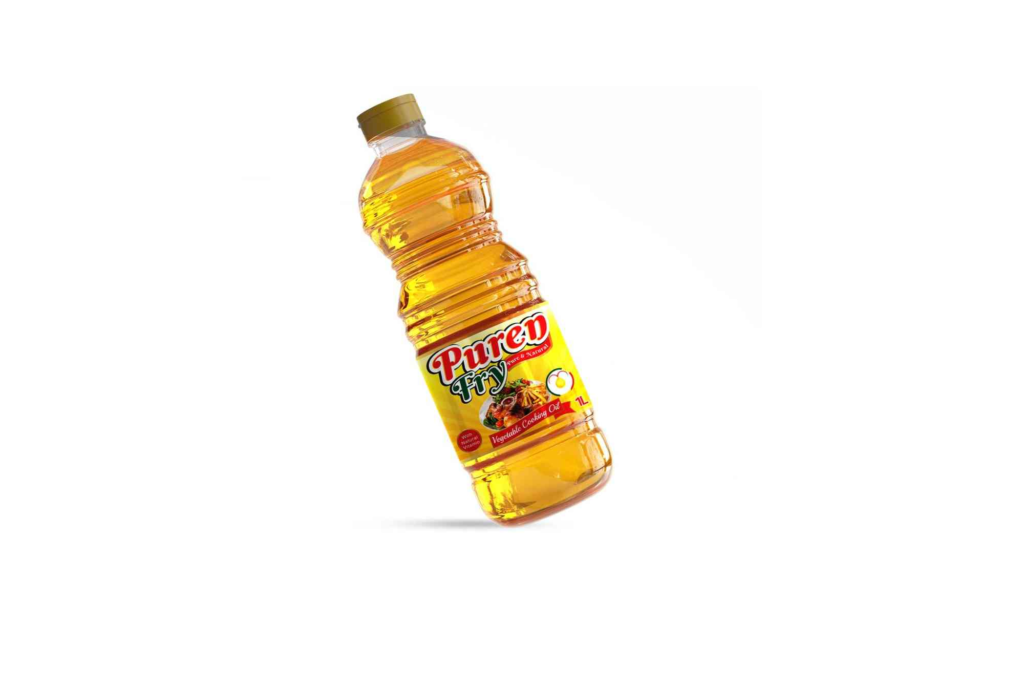
Oil Bottle Label Design: How to Create a Label That Sells Your Brand
Designing an oil bottle label is more than just adding a logo and product details—it’s about telling a story, creating trust, and influencing buying decisions. In today’s competitive market, a strong label design not only differentiates your product but also strengthens brand identity. Whether you’re selling olive oil, coconut oil, or essential oils, an effective oil bottle label design can help you stand out on the shelf and connect emotionally with customers.
Why Oil Bottle Label Design Matters
The label is often the first thing a customer notices. It communicates quality, authenticity, and brand values in a few seconds. In the crowded marketplace of oils—culinary, cosmetic, and therapeutic—the design must be visually appealing and informative. Consumers associate beautiful and professional packaging with higher product quality. Moreover, an effective label design boosts brand recall and loyalty.
Your label design serves multiple functions: it informs consumers about product details, builds brand recognition, and ensures compliance with packaging regulations. Therefore, a great oil bottle label design merges creativity, clarity, and compliance.
Elements of an Effective Oil Bottle Label Design
Brand Identity and Storytelling
Every oil bottle label should reflect the brand’s story. Whether your oil is organic, cold-pressed, or sourced from specific regions, your label should communicate that essence. Use colours, typography, and imagery that align with your brand’s personality. For example, earthy tones and minimal fonts convey purity and natural origins—ideal for organic oils.
Typography and Readability
Typography plays a crucial role in setting the tone of your design. Choose fonts that are readable yet expressive. Serif fonts suggest tradition and elegance, while sans-serif fonts create a modern, clean look. Ensure important details like the oil type, brand name, and quantity are easily readable from a distance.
Colour Psychology in Label Design
Colour evokes emotions and influences perception. Green and gold often represent natural and premium oils, while dark brown or black tones suggest richness and luxury. The right colour combination can enhance shelf appeal and strengthen brand recognition.
Imagery and Graphics
Use visuals that align with your product and brand identity. Illustrations of olives, coconuts, or leaves add a natural touch, while geometric patterns lend sophistication. Keep images high quality to maintain professionalism.
Material and Finish
The material and finish of your oil bottle label can transform its look and feel. Glossy finishes offer a sleek, modern appeal, while matte finishes deliver a more organic, artisanal vibe. Waterproof and oil-resistant labels are also essential to maintain durability and legibility.
Legal and Informational Details
An attractive design must also comply with regulations. Always include necessary information such as ingredients, nutritional facts, volume, expiry date, and manufacturer details. A QR code for additional product information or sourcing transparency is also a growing trend among premium brands.
Design Tips for Different Types of Oils
Olive Oil Bottle Labels
Olive oil represents health, purity, and tradition. For this, choose a minimalist design with earthy hues such as green, gold, or beige. Use fine line art or rustic illustrations to evoke authenticity. The bottle itself can influence your label design—transparent bottles work well with light-toned labels, while dark bottles benefit from metallic accents.
Coconut Oil Bottle Labels
Coconut oil labels often use clean, tropical designs with white and blue tones. Highlighting “organic,” “cold-pressed,” or “virgin” with clear typography can increase appeal. Minimalist designs with subtle palm imagery often work best for skincare and health products.
Essential Oil Labels
Essential oils are small in size but high in value. The label must be simple yet elegant. Using deep colours such as indigo, violet, or amber creates a sense of luxury. Since these bottles are often used in wellness and aromatherapy, focus on emotional cues like relaxation and purity.
Creating a Label That Attracts Customers
The key to successful oil bottle label design is creating harmony between visual appeal and brand authenticity. Avoid overcrowding the label with too much text or imagery. Instead, focus on the hierarchy of information—brand name first, then product type, and finally supporting details.
It’s also wise to research your competitors to identify what works and how you can differentiate your product. Find inspiration from platforms such as label design inspiration where you can explore global trends and creative examples across industries.
The Role of Packaging and Box Design
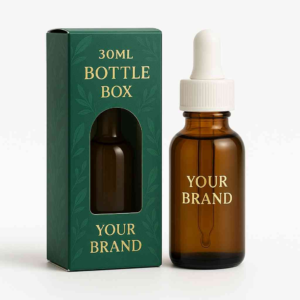
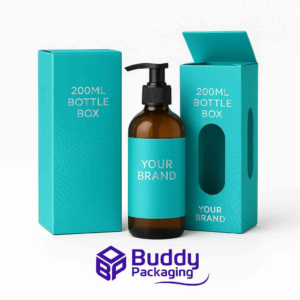
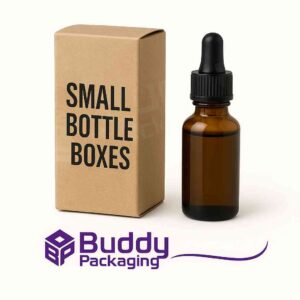
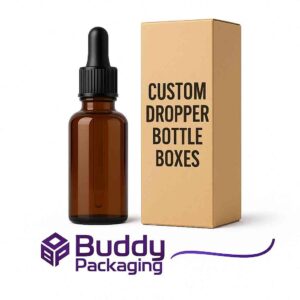
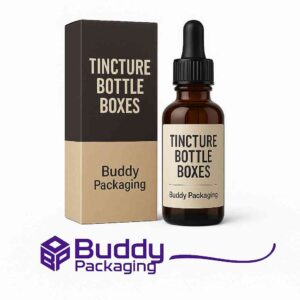
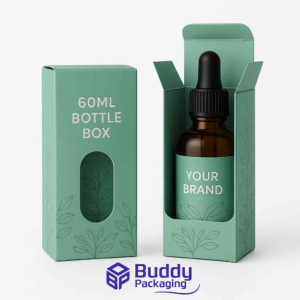
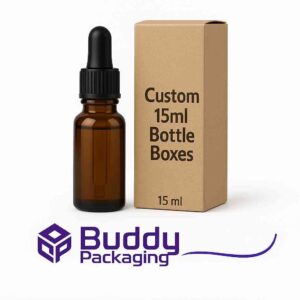
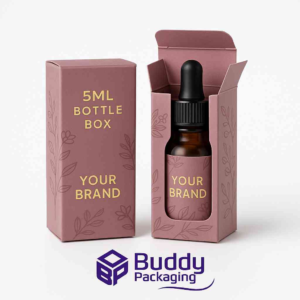
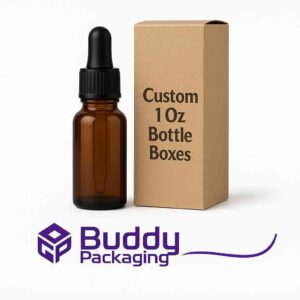
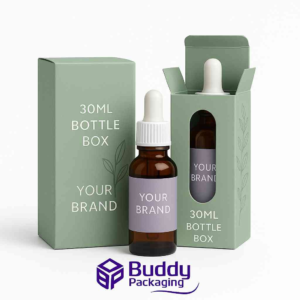
Your label design is part of the larger packaging ecosystem. A well-designed bottle box enhances product presentation, protects the bottle, and elevates perceived value. If you want to complement your labels with premium packaging, explore Custom Bottle Boxes to create a cohesive and professional look.
Premium brands often integrate their labels and packaging designs to tell a consistent story—colour schemes, logos, and visual elements work together to strengthen brand recognition.
Sustainability in Label Design
Consumers today value sustainability. Using eco-friendly label materials, such as recycled paper or biodegradable adhesives, reflects environmental responsibility. Highlighting these efforts on your label can positively influence eco-conscious buyers.
Moreover, digital printing allows for small-batch runs, reducing waste and enabling brands to test new designs. Sustainable label design not only benefits the planet but also enhances your brand’s modern appeal.
Digital Tools for Oil Bottle Label Design
Designers have access to advanced digital tools that streamline label creation. Programs like Adobe Illustrator, Canva, and CorelDRAW offer templates, typography control, and vector scalability. These tools make it easier to experiment with colours, layouts, and text alignment.
Before finalising, always print a test label. Physical testing ensures that your design looks as good in hand as it does on screen and that it fits perfectly on the bottle’s curvature.
How to Make Your Label Stand Out on the Shelf
A standout label captures attention instantly. To achieve this, use contrast effectively—pair light and dark tones strategically. Add metallic foils, embossing, or textures to create tactile interest. Transparent labels can also highlight the oil’s natural colour, appealing to consumers who associate clarity with purity.
If your brand sells multiple oil variants, consider a consistent design framework with unique colour accents for each type. This approach builds brand identity while helping customers easily distinguish products.
Testing and Consumer Feedback
Once your design is ready, gather feedback before mass production. Share mock-ups with a small group of target customers or retail partners. Their insights on readability, visual appeal, and clarity can guide valuable adjustments.
Conducting A/B testing between different label versions is another effective strategy. It reveals which design performs better in terms of visual engagement and sales.
Where to Find Professional Label Designers
Hiring a professional designer or agency ensures high-quality results. Look for experts with experience in product packaging and FMCG branding. You can also find talented designers through online platforms or by connecting with industry professionals at exhibitions and trade fairs.
Working with local packaging specialists can make communication easier and provide a better understanding of regional trends. If you’re based in the UK, you can visit Buddy Packaging Location for customised packaging and printing services tailored to your brand’s needs.
Future Trends in Oil Bottle Label Design
The world of packaging is evolving. Smart labels with NFC technology, minimalistic aesthetics, and augmented reality experiences are reshaping how consumers interact with products. Labels that connect digitally to websites or educational content can enhance customer trust and engagement.
Personalisation will also play a big role. Limited-edition designs, seasonal labels, and customer-centric artwork can increase product desirability and strengthen emotional connections.
Common Mistakes to Avoid in Oil Bottle Label Design
Avoid cluttering your label with excessive information or overly complex graphics. Poor font choice or small text can make your label hard to read. Ignoring print specifications or label size alignment can lead to production errors. Finally, neglecting brand consistency—like using different logos or mismatched colours—can confuse customers and weaken your brand identity.
Build a Lasting Impression with Your Oil Bottle Label
An effective oil bottle label design doesn’t just display your product—it expresses your brand’s promise. It’s a strategic blend of creativity, clarity, and authenticity. From colours and fonts to materials and finishes, every detail contributes to your brand’s perception. By focusing on visual harmony, sustainability, and storytelling, you can create a label that resonates with customers and stands out on the shelf.
If you’re ready to elevate your brand with professional packaging, consider visiting Buddy Packaging Location or explore high-quality Custom Bottle Boxes that complement your product. Begin your design journey today and transform your bottles into unforgettable brand ambassadors.
Whisky bottle label design plays a vital role in shaping a brand’s identity and influencing buying decisions. A well-crafted label combines heritage, typography, colour, and storytelling to reflect the character of the whisky inside. From premium finishes to clear legal details, thoughtful design helps whisky stand out on shelves and build trust with customers.
FAQs
What should be included on an oil bottle label?
Include your brand name, product type, ingredients, quantity, expiry date, and contact information. Highlight unique selling points like “cold-pressed” or “organic.”
How do I choose colours for my oil bottle label?
Choose colours that match your brand’s personality and evoke the right emotions. Green and gold often symbolise purity and premium quality.
What material is best for oil bottle labels?
Use waterproof, oil-resistant materials such as vinyl or polypropylene to maintain the label’s integrity and readability.
Can I design my own oil bottle label?
Yes, with design tools like Canva or Adobe Illustrator, you can create your own label. However, professional designers ensure more refined and market-ready results.
Why is sustainable packaging important for oil brands?
Eco-friendly labels reduce environmental impact and attract conscious consumers who value sustainable practices.
How can I make my oil bottle label stand out?
Use contrast, unique typography, and high-quality finishes such as embossing or foil stamping to enhance shelf appeal and brand recognition.