Perfume Label Design: Creating a Lasting Impression for Your Brand
A perfume’s charm begins long before its scent reaches the nose — it starts with the label. Perfume label design is not just about decoration; it is about storytelling, emotion, and identity. The label is the first visual connection between your fragrance and your customers, and it can determine whether a person reaches for your product or passes it by. In a crowded fragrance market, where competition is fierce, a thoughtfully crafted label can make all the difference between anonymity and allure.
The Power of Perfume Label Design
Perfume label design combines creativity, psychology, and marketing strategy. It visually expresses what words and scent alone cannot convey. A good design captures the soul of your fragrance — whether it’s sensual, fresh, floral, or woody. It helps build emotional connections and sets customer expectations. When someone looks at your perfume bottle, the label should whisper promises of sophistication, luxury, and exclusivity.
Understanding the Purpose of a Perfume Label
A perfume label serves several essential functions. It identifies the product, communicates brand values, ensures legal compliance, and enhances the aesthetic appeal. From brand name and fragrance notes to concentration details and safety information, the label provides both beauty and utility. However, the design must balance these elements elegantly to avoid clutter. The ultimate goal is to create a label that informs without overwhelming and attracts without exaggeration.
Key Elements of Effective Perfume Label Design
Every element on a perfume label contributes to its impact. The choice of typography, colour palette, material, and finish all reflect the fragrance’s personality. For instance, minimalistic designs with clean lines and muted colours suggest modernity and freshness, while ornate fonts and gold foiling convey luxury and depth. Designers must carefully consider each component to align with the brand’s message.
Typography is one of the most critical aspects of perfume label design. Fonts can instantly communicate tone — elegant serifs evoke timeless sophistication, while sans-serifs express modern simplicity. The type should be legible yet stylish, ensuring it reflects the fragrance’s target market.
Colour is equally important. Soft pastels may suit floral perfumes, while bold blacks or metallics are ideal for luxury or masculine scents. Each hue should harmonise with the bottle and packaging to create visual unity.
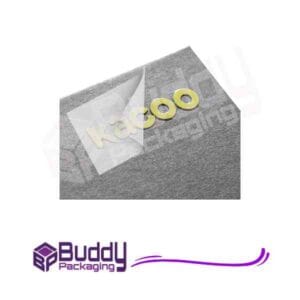
Material selection also plays a major role. Matte papers, transparent films, textured stocks, or metallic foils can change the perception of value. High-quality printing techniques like embossing, hot foil stamping, or UV coating add tactile and visual appeal, turning an ordinary label into an experience.
For expert guidance on luxury packaging finishes, explore print & finishing insights for professional updates and inspiration from the printing industry.
The Psychology Behind Perfume Label Design
Designers must understand how colours, shapes, and textures affect human perception. The psychology of design is crucial because purchasing a perfume is an emotional decision. Elegant golds and blacks evoke luxury and mystery, while soft blues and whites communicate purity and serenity. Rounded edges feel feminine and welcoming, whereas angular shapes convey strength and boldness. A label’s texture — whether smooth, grainy, or embossed — adds depth and tactile satisfaction that enhances customer engagement.
Consumers often associate packaging quality with product quality. Therefore, a well-designed perfume label can create an instant sense of trust and desirability. It tells the buyer, even before smelling the fragrance, that this perfume is worth owning.
Aligning Label Design with Brand Identity
A brand’s label should be an extension of its story. Whether your fragrance line represents modern minimalism, traditional elegance, or youthful vibrancy, the label should embody that narrative. Consistency across your product range also reinforces brand recognition. For instance, a perfume house known for natural ingredients might use recycled paper and earthy tones, while a luxury brand might favour metallic foils and glass-clear labels.
If you are looking for tailored packaging solutions that complement your brand’s identity, consider Custom Labels by Buddy Packaging. They offer personalised label and packaging designs that seamlessly reflect your brand’s personality and help your products stand out on retail shelves.
Trends in Modern Perfume Label Design
The perfume industry evolves with fashion and lifestyle trends, and label designs follow suit. Here are some current directions shaping the market:
Minimalist aesthetics dominate luxury brands today. Simple typography, neutral tones, and uncluttered layouts convey modern elegance.
Sustainable materials are gaining popularity as brands embrace eco-consciousness. Biodegradable papers and soy-based inks signal environmental responsibility.
Transparent labels allow the fragrance colour to become part of the design, creating a clean, sophisticated look.
Handcrafted styles with artistic touches like brush lettering or sketch motifs appeal to consumers seeking authenticity and creativity.
Metallic foils and holographic accents add a futuristic, high-end touch, perfect for niche and exclusive collections.
Keeping up with these trends ensures your perfume label feels relevant and competitive in a visually driven market.
Balancing Aesthetics and Legality
Beyond beauty, perfume label design must also comply with regulatory requirements. Legal information such as ingredients, volume, country of origin, and manufacturer details are often mandatory. In the UK and EU, specific labelling guidelines ensure transparency and consumer safety. Designers must integrate this information elegantly without disrupting the aesthetic balance. Using smaller, readable type and strategic placement can maintain both compliance and visual harmony.
Luxury Finishes and Printing Techniques
Luxury perfume brands often rely on special finishes to elevate their labels. Techniques like foil stamping, spot UV, debossing, and embossing add dimension and shine. A metallic sheen or raised texture can transform a simple label into something unforgettable. For example, a matte background with glossy embossed lettering creates an irresistible contrast. Designers often experiment with tactile elements because customers appreciate packaging that feels as good as it looks.
To explore more about printing technologies and how they influence brand appeal, read print & finishing insights. It’s a reliable resource for understanding the newest trends in premium label production.
The Secret to Unique Perfume Labels
Personalisation is now at the heart of modern branding. Custom perfume labels allow brands to showcase individuality and exclusivity. From bespoke typography to limited-edition designs, customisation adds emotional value. Digital printing technology has made short-run custom labels more accessible, enabling small brands to experiment with different looks without high costs.
Brands that invest in custom label design create a stronger emotional connection with consumers. It shows dedication to detail and reinforces a sense of prestige and craftsmanship.
The Role of Technology in Perfume Label Design
Digital design tools and advanced printing technologies have revolutionised label production. Designers can now use augmented reality (AR) and QR codes to create interactive experiences. Customers can scan the label to access fragrance stories, production methods, or even brand videos. This fusion of design and technology creates deeper engagement and modernises traditional branding.
Smart labels also enhance traceability and authenticity — a growing concern in the luxury perfume sector. Such innovations make labels not just decorative but functional and secure.
Common Mistakes in Perfume Label Design
While creativity is essential, overdesigning can be detrimental. Using too many fonts, colours, or embellishments can make a label look busy and confusing. Lack of contrast may reduce readability, and poor material choice can cheapen the overall feel. Always prioritise clarity and harmony over excessive decoration. Remember, elegance often lies in simplicity.
Ignoring target audience preferences is another major mistake. A design appealing to young, trendy consumers may not suit a classic luxury audience. Therefore, research and market understanding are vital before finalising any design.
Creating Cohesion Between Bottle and Label
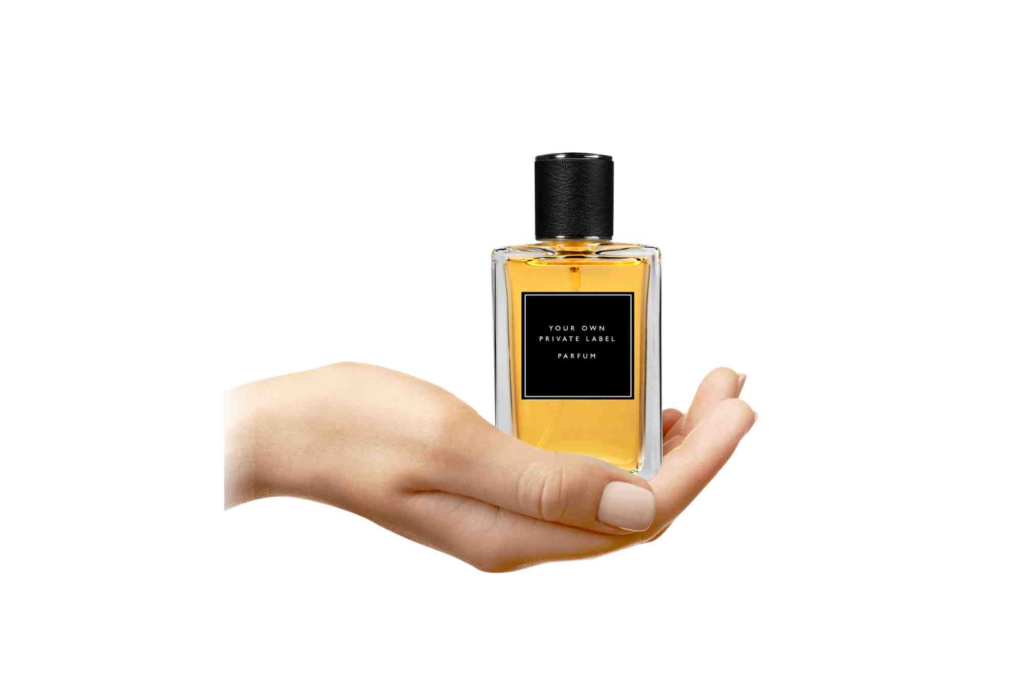
A beautiful label should complement the perfume bottle’s shape, size, and texture. For instance, a transparent label on a glass bottle can enhance the minimalist look, while a paper label might suit a vintage design. Harmony between packaging elements ensures a consistent, attractive presentation. Consumers notice when everything — from label to cap — feels intentionally designed.
Working with experts who specialise in both packaging and labelling can ensure this harmony. Visit Buddy Packaging Location to connect with professionals who understand the importance of unified product presentation.
Why Professional Designers Matter
Hiring professional designers with experience in perfume packaging ensures your label achieves both beauty and function. They understand balance, legibility, and brand storytelling. An expert designer can transform your vision into a tangible identity that attracts your target audience. Moreover, professionals are well-versed in print specifications and colour accuracy, ensuring the final product matches your expectations perfectly.
Crafting Labels That Speak Your Brand’s Essence
A perfume label is more than a decorative sticker — it’s the visual embodiment of your fragrance’s soul. From typography and colour to material and finish, each choice conveys emotion and story. Investing in thoughtful perfume label design builds credibility, attracts customers, and strengthens brand identity. Whether you’re launching a luxury collection or a niche artisan fragrance, your label design should be as unforgettable as the scent it represents. For brands seeking perfection in both design and packaging, exploring CuCustom Labels is an excellent start to elevate your perfume presentation and create lasting impressions.
Discover the latest trends in futuristic packaging design that blend innovation, sustainability, and technology to create smarter, eco-friendly packaging solutions. Stay ahead in the packaging industry with modern design concepts and creative ideas. Learn more at Buddy Packaging.
FAQs
What makes a good perfume label design?
A good perfume label design reflects the brand’s identity, uses high-quality materials, and maintains visual balance. It should be legible, aesthetically pleasing, and emotionally resonant with the target audience.
How do I choose the right colour for a perfume label?
Select colours that match the fragrance’s character. Soft hues suit floral scents, while darker tones convey luxury and mystery. Always ensure the colour complements the bottle and packaging.
What materials are best for perfume labels?
High-end perfumes often use textured papers, transparent films, or metallic foils. The material should be durable, moisture-resistant, and consistent with the product’s theme.
Can small perfume brands afford custom labels?
Yes. Thanks to digital printing, small and boutique brands can now order short-run custom labels cost-effectively, enabling flexibility and experimentation.
Why is label design important for branding?
Perfume label design builds first impressions and communicates brand personality. It helps customers identify your product instantly and distinguishes it from competitors.
Do sustainable perfume labels affect quality?
Not at all. Eco-friendly materials can maintain premium quality while promoting responsible branding. Many consumers even prefer sustainable packaging options.