Product Packaging Label Design: A Complete Expert Guide
Product packaging label design plays a crucial role in how customers perceive, trust, and choose a product. It is not just about looking attractive. A well-designed label communicates value, ensures legal compliance, and influences buying decisions within seconds. In today’s competitive retail and e-commerce landscape, brands that invest in thoughtful label design consistently outperform those that do not.
This guide explores product packaging label design from a professional, real-world perspective. It focuses on branding, usability, regulations, and print quality, all explained in clear UK English. Whether you are launching a new product or refining an existing one, this article will help you make confident, informed design decisions.
Understanding Product Packaging Label Design
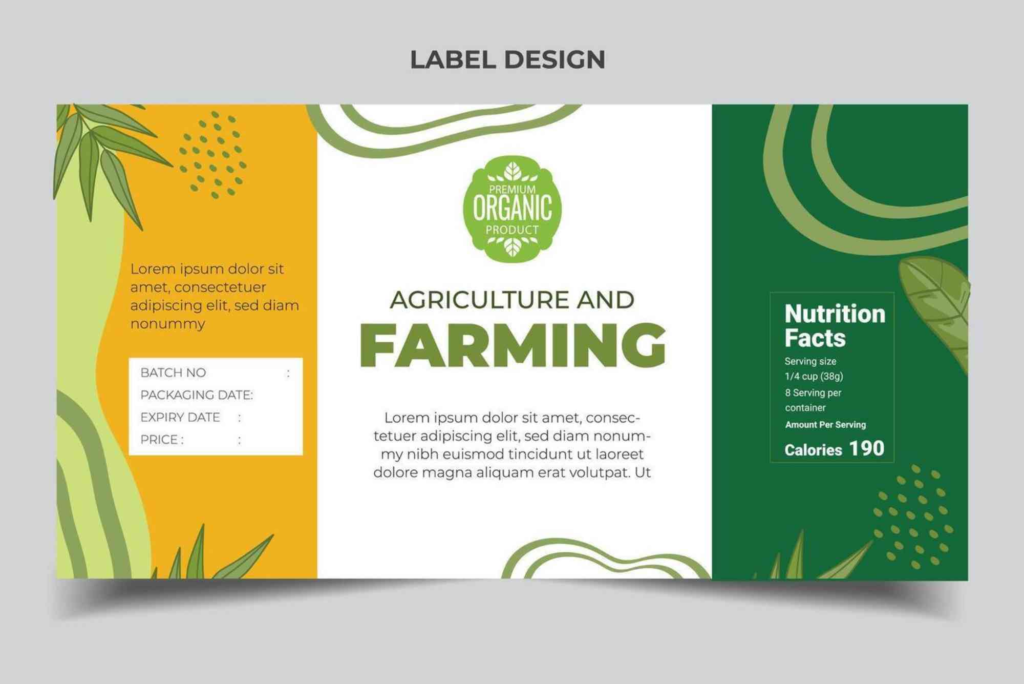
Product packaging label design is the process of creating visual and informational elements that appear on a product’s packaging. It includes typography, colour, imagery, materials, and legally required information. The label acts as a bridge between the brand and the consumer at the point of purchase.
In physical retail, shoppers often decide within a few seconds. Online, product images do the same job. In both cases, the label must work instantly. It should attract attention, explain the product clearly, and build trust without overwhelming the viewer.
From experience, brands that treat labels as a strategic asset rather than decoration tend to achieve stronger recognition and higher conversion rates.
Why Product Packaging Label Design Matters for Sales
Product packaging label design directly affects consumer behaviour. Studies consistently show that visual appeal influences perceived quality. When a label looks professional and considered, customers assume the product is reliable.
Clear labelling also reduces friction. Customers want to know what the product is, how it helps them, and whether it meets their needs. A label that answers these questions quickly increases confidence and reduces hesitation.
Trust is another factor. Labels that display accurate information, readable text, and quality printing signal credibility. In regulated industries such as food, cosmetics, and supplements, good label design is often associated with safety and compliance.
The Role of Branding in Label Design
Brand identity should guide every product packaging label design decision. Colours, fonts, tone of voice, and layout must align with the brand’s wider visual language. Consistency builds recognition over time.
For example, premium brands often use restrained colour palettes and refined typography. Mass-market products may use brighter colours and bold fonts to stand out. Neither approach is right or wrong. What matters is alignment with brand positioning.
Many UK brands choose to integrate labels with broader packaging solutions, including boxes and sleeves. When labels are designed alongside packaging, the result feels cohesive and intentional. Some businesses also explore tailored solutions such as Custom Labels that align perfectly with box styles, materials, and finishes. For brands developing custom packaging structures, integrated label planning ensures a polished final result. You can explore advanced packaging structures and options through.
Key Elements of Effective Product Packaging Label Design
Typography is one of the most overlooked aspects of product packaging label design. Fonts must be readable at small sizes and under different lighting conditions. Decorative fonts may look attractive but often reduce clarity. A strong hierarchy helps customers scan information quickly.
Colour selection affects both emotion and readability. High contrast improves legibility, while colour psychology influences perception. For instance, green often signals natural or eco-friendly products, while black and gold suggest luxury.
Imagery should support the product story rather than distract from it. Photography, illustrations, or icons must be relevant and high quality. Poor images reduce perceived value instantly.
Material choice also matters. Paper, film, foil, and textured stocks all create different tactile experiences. In many cases, the feel of the label reinforces the visual message. Print quality and finishing elevate even simple designs, which is why many designers study professional print & finishing insights from industry sources like to stay informed about evolving standards.
Compliance and Legal Considerations in the UK
Product packaging label design must comply with UK regulations. These rules vary by product category but commonly include ingredient lists, safety warnings, usage instructions, and manufacturer details. Failing to meet legal requirements can lead to fines or product withdrawal.
From experience, the best approach is to plan compliance early in the design process. This avoids last-minute layout changes that compromise visual balance. Clear spacing, legible text sizes, and logical information flow help maintain both compliance and aesthetics.
Designers should also consider accessibility. Readable font sizes and sufficient contrast support inclusivity and improve the user experience for all customers.
Designing for Shelf Impact and Online Visibility
In physical stores, product packaging label design must stand out on crowded shelves. This requires understanding competitor designs and choosing a distinct visual direction. Sometimes, simplicity creates more impact than complexity.
Online, labels appear in product images and zoom views. Small details matter less, while bold branding and clear product names become more important. Designers should always test how labels appear at thumbnail size.
In both contexts, consistency across product ranges strengthens brand recognition. When customers spot familiar visual cues, they feel more confident choosing the product again.
Sustainability and Modern Consumer Expectations
Sustainability now plays a major role in product packaging label design. UK consumers increasingly expect brands to demonstrate environmental responsibility. Labels can support this through material choices, messaging, and certifications.
Using recyclable materials or minimal inks can reinforce eco-friendly claims. However, sustainability messaging must be honest and clear. Vague claims damage trust and may attract regulatory scrutiny.
Well-designed labels balance sustainability with durability. A label that peels or fades quickly undermines the entire product experience.
Common Mistakes to Avoid in Label Design
One common mistake is overcrowding. Trying to include too much information leads to confusion. Prioritisation is essential. The most important messages should be immediately visible.
Another issue is inconsistent branding. Changing fonts or colours across products weakens recognition. Consistency builds familiarity and loyalty.
Poor print preparation also causes problems. Colours may shift, text may blur, or finishes may not match expectations. Working closely with printers and understanding production limitations helps avoid costly errors.
How Product Packaging Label Design Supports Long-Term Growth
Product packaging label design is not a one-time task. As brands grow, labels often evolve. Successful companies review and refine their designs based on feedback, sales data, and market trends.
Minor updates can modernise a product without losing brand equity. Major redesigns should be handled carefully to avoid confusing loyal customers.
From a commercial perspective, strong label design supports premium pricing, improves shelf performance, and enhances brand recall. Over time, it becomes a silent salesperson that works continuously.
Perfume label design plays a vital role in defining a fragrance brand’s identity and appeal. Creative typography, elegant colour palettes and high-quality finishes help products stand out on crowded shelves while communicating luxury and trust. Exploring innovative concepts, from minimalist styles to bold artistic designs, can inspire brands to create labels that attract customers and enhance overall packaging value.
FAQs
What is product packaging label design?
Product packaging label design is the creation of visual and informational elements placed on packaging. It combines branding, communication, and compliance to attract and inform customers effectively.
Why is label design important for small businesses?
For small businesses, product packaging label design builds credibility and trust. A professional label helps smaller brands compete with established companies and increases perceived value.
How much information should a product label include?
A product label should include essential information only. Clear prioritisation ensures customers can understand the product quickly without feeling overwhelmed.
What software is used for label design?
Designers commonly use professional tools such as Adobe Illustrator or InDesign. These programmes support precise layouts and print-ready files.
How often should product labels be updated?
Labels should be reviewed regularly. Updates may be needed due to regulation changes, branding refreshes, or shifts in consumer expectations.
Invest in Product Packaging Label Design That Works
Product packaging label design is one of the most powerful tools in a brand’s marketing arsenal. It shapes first impressions, communicates value, and supports trust at every touchpoint. When done well, it influences buying decisions without saying a word.
By focusing on clarity, branding, compliance, and print quality, businesses can create labels that perform consistently across retail and online environments. Thoughtful design is not an expense. It is an investment in long-term growth.
If you are developing or refining your packaging strategy, now is the time to prioritise label design. Work with experienced designers, understand your audience, and treat every label as an opportunity to connect. The right product packaging label design can turn interest into loyalty and products into brands.