Introduction
Glass bottle packaging design plays a powerful role in how consumers perceive a product. From premium beverages to cosmetics and pharmaceuticals, glass bottles signal quality, safety, and sustainability. In today’s competitive UK market, strong packaging is no longer optional. It is a core part of brand identity and customer trust.
When done well, glass bottle packaging design attracts attention, communicates value, and supports long-term brand growth. This article explores the principles, trends, and real-world considerations behind successful glass bottle packaging design, explained clearly and practically.
Why Glass Bottle Packaging Design Matters
Glass bottles have been used for centuries, yet they remain highly relevant. Their appeal goes beyond appearance. Glass protects contents without chemical interaction, which is critical for food, drink, and personal care products.
From a branding perspective, glass bottle packaging design shapes first impressions. Consumers often judge quality within seconds. Weight, clarity, colour, and shape all influence that decision. A well-designed bottle can instantly suggest luxury, tradition, or innovation.
In the UK, sustainability expectations also raise the importance of glass. Glass is fully recyclable and widely accepted by local councils. Brands that invest in thoughtful glass bottle packaging design often gain credibility with environmentally conscious buyers.
The Role of Branding in Glass Bottle Packaging Design
Branding and packaging are closely linked. Glass bottle packaging design is not only about holding a product. It tells a story.
A premium spirit brand might use thick glass, embossed logos, and deep colours. This approach signals heritage and craftsmanship. In contrast, a health drink brand may prefer clear glass, minimal labels, and soft tones to convey purity and honesty.
Consistency matters. Fonts, colours, and shapes should align with the wider brand identity. When customers recognise a bottle instantly on the shelf, branding has done its job.
Packaging designers often collaborate closely with marketing teams. This ensures the glass bottle packaging design reflects the brand voice accurately and consistently.
Functional Considerations in Glass Bottle Packaging Design
A beautiful bottle must also be practical. Functionality is a key part of glass bottle packaging design, especially for products sold at scale.
Bottle shape affects storage, transport, and shelf placement. Unusual designs may stand out but increase costs or breakage risks. Balance is essential.
Closure systems also matter. Corks, screw caps, and dropper tops each suit different products. The choice affects user experience and product preservation.
Labelling is another functional element. Labels must adhere well, resist moisture, and remain readable. In the UK, legal information such as volume, ingredients, and recycling symbols must be clearly displayed.
Sustainability and Glass Bottle Packaging Design
Sustainability is no longer a trend. It is an expectation. Glass bottle packaging design fits well with this shift, but smart choices still matter.
Lightweight glass reduces transport emissions and costs. Many UK brands now choose reduced-weight bottles without compromising strength.
Reusability is also gaining attention. Refillable glass bottles are popular in niche markets, especially for milk, cleaning products, and personal care.
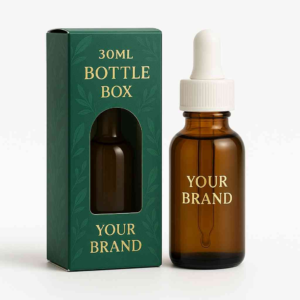
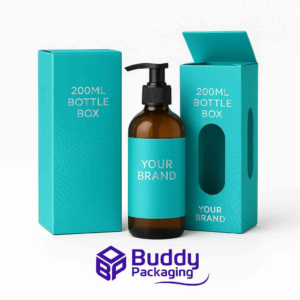
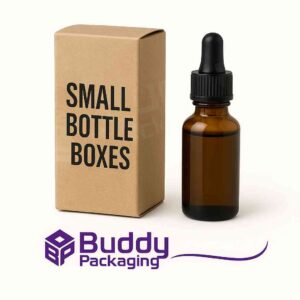
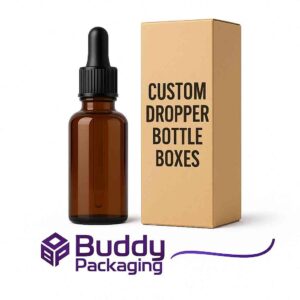
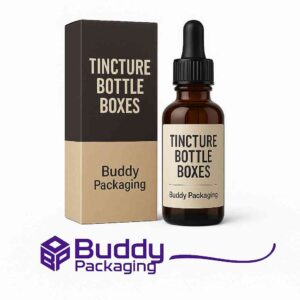
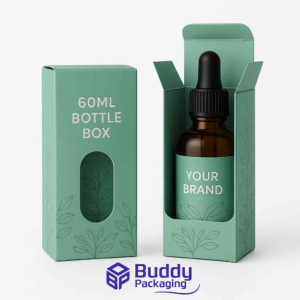
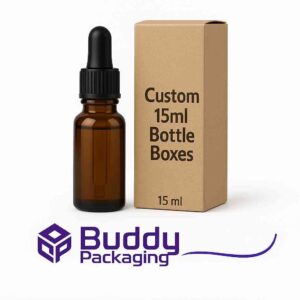
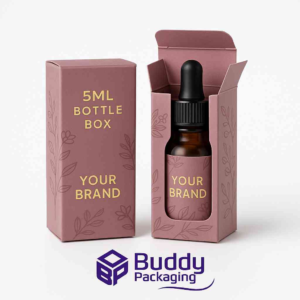
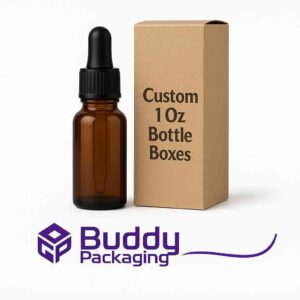
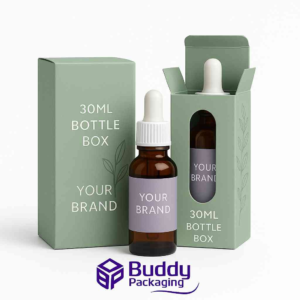
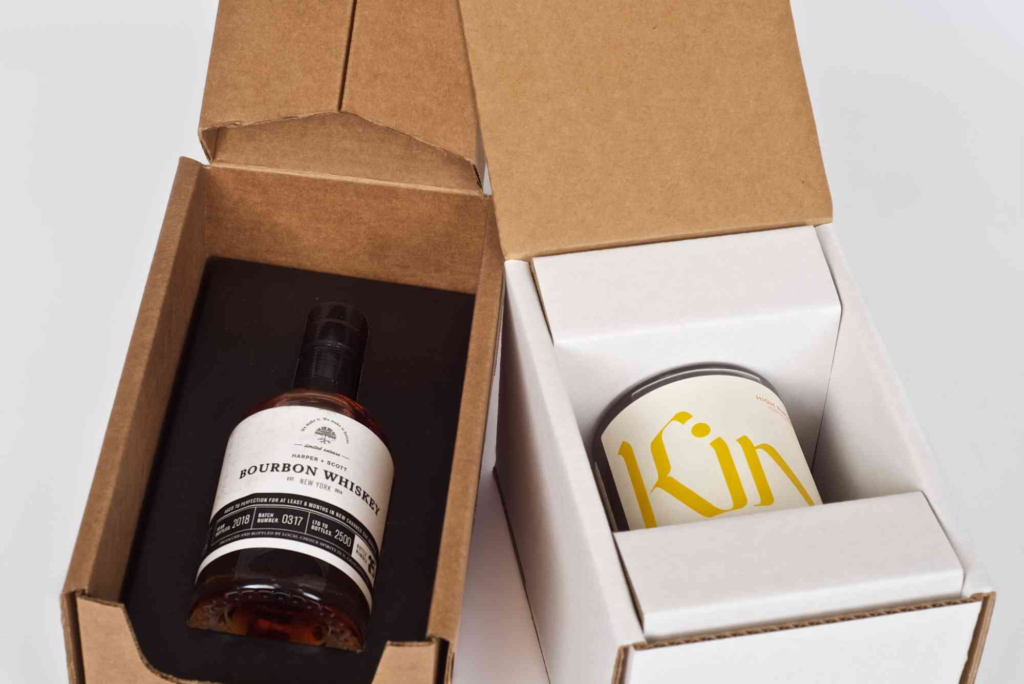
Designers must also consider secondary packaging. Protective packaging, such as Custom Bottle Boxes, plays a vital role in reducing breakage and improving presentation. Well-designed boxes enhance the overall unboxing experience while supporting sustainability goals. You can explore tailored options here:
Current Trends in Glass Bottle Packaging Design
Glass bottle packaging design evolves with consumer behaviour and technology. Several trends are shaping the UK market today.
Minimalist design remains strong. Clean lines, limited colours, and subtle branding feel modern and trustworthy. This approach works particularly well for wellness and premium food products.
Textured glass is another growing trend. Embossing, debossing, and patterned surfaces add tactile appeal. They also reduce reliance on heavy labelling.
Colour experimentation is increasing. While clear glass dominates, brands are exploring amber, green, and even frosted finishes to stand out while protecting contents from light.
Smart packaging elements are emerging too. QR codes on labels link consumers to product stories, sourcing details, or recycling guidance. This adds depth without cluttering the design.
The Importance of User Experience
Glass bottle packaging design should always consider the end user. How the bottle feels, pours, and opens affects satisfaction and repeat purchases.
Ergonomics matter more than many realise. A bottle that is hard to grip or pour can frustrate users. Designers often test multiple prototypes to find the right balance.
For cosmetic and wellness products, dispensing control is critical. Droppers and pumps must deliver the right amount without waste. This practical detail strongly influences perceived quality.
Accessibility is also important. Clear labelling and easy-to-open closures support inclusivity, especially for older customers.
Glass Bottle Packaging Design for Different Industries
Different industries place different demands on glass bottle packaging design. Understanding these nuances is essential.
In the beverage sector, durability and shelf impact are priorities. Bottles must survive transport while standing out in crowded retail environments.
In cosmetics, aesthetics often lead. Unique shapes and finishes help products feel luxurious and gift-worthy.
Pharmaceutical glass bottle packaging design focuses on safety and compliance. Amber glass protects sensitive formulas, while tamper-evident closures build trust.
Despite these differences, the core principles remain consistent. Protection, branding, and usability must work together seamlessly.
Cost Factors in Glass Bottle Packaging Design
Cost is always part of the conversation. Glass bottle packaging design involves upfront investment, but it can deliver long-term value.
Custom moulds increase initial costs but allow unique shapes that strengthen brand identity. Stock bottles are cheaper and faster but limit differentiation.
Design complexity also affects pricing. Embossing, custom colours, and speciality finishes raise production costs. Brands must decide where to invest for maximum impact.
Secondary packaging and logistics should not be overlooked. Breakage during transport can quickly erase savings from cheaper materials.
Smart planning and supplier collaboration help manage costs without sacrificing quality.
Compliance and Regulations in the UK
Glass bottle packaging design in the UK must meet regulatory requirements. These vary by product type.
Food and drink packaging must follow labelling laws, including allergen information and volume markings. Cosmetic packaging requires ingredient lists and safety details.
Recycling information is increasingly important. Clear symbols help consumers dispose of packaging correctly, supporting environmental goals.
Staying compliant protects brands from legal risk and builds consumer trust. Experienced designers stay updated on regulations to avoid costly redesigns later.
How to Improve Glass Bottle Packaging Design Over Time
Packaging should evolve, not stagnate. Regular reviews help brands stay relevant.
Customer feedback is invaluable. Complaints about breakage, pouring, or storage highlight design weaknesses.
Market trends also shift. A design that felt modern five years ago may now appear dated. Subtle updates can refresh a product without losing recognition.
Learning from industry insights and bottle packaging tips shared by design experts can inspire smarter decisions. Trusted resources like often highlight innovative packaging approaches and emerging trends.
Continuous improvement keeps glass bottle packaging design aligned with both brand goals and consumer expectations.
Investing in Better Glass Bottle Packaging Design
Glass bottle packaging design is a powerful business tool. It protects products, communicates brand values, and influences buying decisions. In the UK market, where sustainability and quality matter deeply, glass remains a strong choice.
Successful glass bottle packaging design balances beauty and function. It considers branding, user experience, cost, and compliance together. Brands that invest thoughtfully in packaging often see stronger customer loyalty and higher perceived value.
If you are planning a new product or refreshing an existing one, now is the time to review your glass bottle packaging design. Explore professional packaging solutions, refine your brand story, and create packaging that truly represents your product. The right design can turn a simple bottle into a lasting brand asset.
A well-crafted Whiskey Bottle Label Design plays a vital role in shaping a brand’s identity and attracting customers. It reflects the heritage, quality, and character of the whiskey through thoughtful use of typography, colours, and imagery. An effective label not only stands out on crowded shelves but also communicates authenticity and craftsmanship, helping consumers connect with the story behind the bottle and trust the premium experience it represents.
Frequently Asked Questions
What makes glass bottle packaging design effective?
Effective glass bottle packaging design combines strong branding, practical usability, and product protection. It should attract attention while remaining functional and compliant.
Is glass bottle packaging design environmentally friendly?
Yes, glass is fully recyclable and reusable. When designed thoughtfully, glass bottle packaging design supports sustainability goals and reduces environmental impact.
How much does custom glass bottle packaging design cost?
Costs vary based on bottle shape, size, custom moulds, and finishes. While custom designs cost more upfront, they often deliver better brand recognition.
Can glass bottle packaging design be customised for small businesses?
Many suppliers offer low minimum orders and stock bottles with custom labels. This allows small businesses to achieve professional glass bottle packaging design without high costs.
How long does it take to develop glass bottle packaging design?
Timelines depend on complexity. Stock bottle designs may take weeks, while fully custom glass bottle packaging design can take several months from concept to production.
If you want help refining your packaging or choosing the right materials, consider working with experienced packaging specialists. Thoughtful design today can shape your brand’s success tomorrow.