Packaging Design Strategies That Drive Brand Growth
In an increasingly competitive marketplace, packaging design strategies have evolved far beyond basic product protection. Packaging is now a critical branding and marketing tool that shapes first impressions, influences purchasing decisions, and strengthens customer loyalty. Whether a product sits on a retail shelf or arrives at a customer’s doorstep, its packaging communicates quality, trust, and value before the product itself is even used.
Successful brands understand that packaging is an experience. From visual appeal to functionality and sustainability, effective packaging design strategies combine creativity with purpose. This article explores how thoughtful packaging design can elevate your brand, attract the right audience, and drive long-term business growth.
The Importance of Packaging Design in Modern Branding
Packaging plays a vital role in shaping how consumers perceive a brand. In many cases, it is the first physical interaction customers have with a product, making it a powerful moment to create a positive impression. Strong packaging design strategies help brands stand out in crowded markets while reinforcing credibility and professionalism.
Well-designed packaging builds trust by signaling quality and attention to detail. Consumers often associate premium packaging with premium products, even before testing what’s inside. In digital-first shopping environments, packaging also enhances the unboxing experience, encouraging social sharing and repeat purchases.
Understanding the Target Audience Before Designing Packaging
Every effective packaging design strategy begins with a deep understanding of the target audience. Packaging that resonates with one demographic may fail completely with another. Age, lifestyle, income level, and buying behavior all influence design decisions.
For example, modern consumers often prefer clean, minimalist designs that reflect authenticity and sustainability. Meanwhile, bold colours and expressive typography may appeal more to younger or trend-focused audiences. Aligning packaging design with customer expectations ensures that the product feels relevant and desirable at first glance.
Creating a Strong and Consistent Brand Identity
Consistency is one of the most powerful packaging design strategies for building brand recognition. Packaging should visually align with the brand’s overall identity, including logo usage, colour palette, typography, and tone of messaging. When customers see consistent packaging across multiple products, it reinforces trust and familiarity.
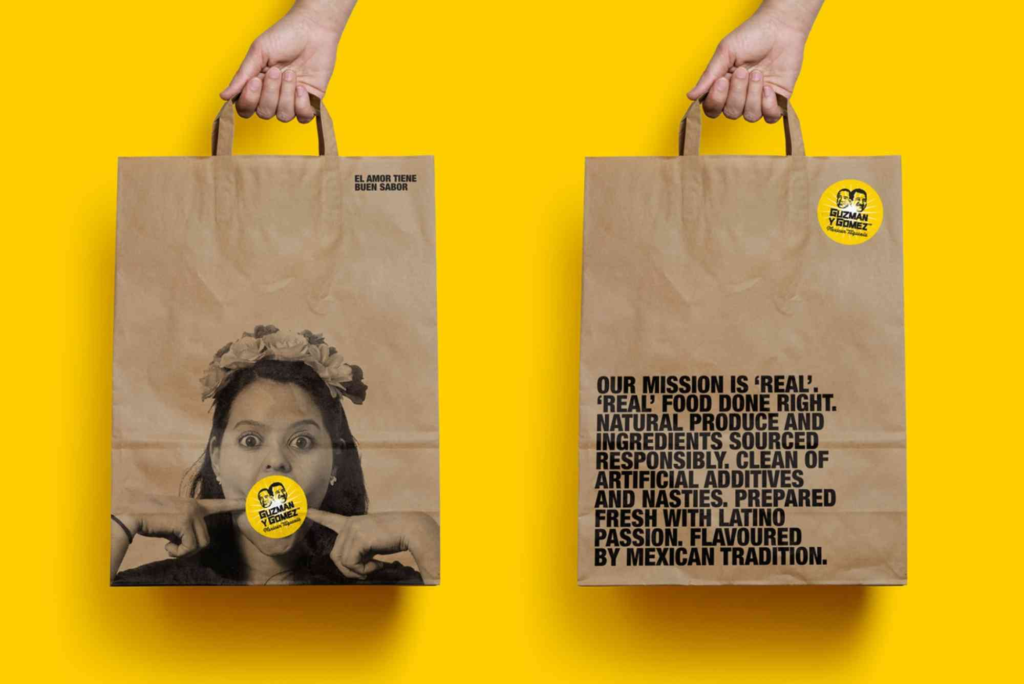
Packaging is also a storytelling tool. It can communicate the brand’s mission, values, and personality through subtle design elements. Even small details such as taglines or short brand messages can create emotional connections and differentiate the product from competitors.
Balancing Visual Appeal and Practical Functionality
While aesthetics are important, packaging must also be practical. One of the most overlooked packaging design strategies is usability. Customers expect packaging to be easy to open, store, and dispose of without frustration.
Functional packaging protects the product during transportation while maintaining its visual appeal. Poor functionality can damage the customer experience, even if the design looks attractive. Brands that balance beauty with usability are more likely to earn repeat customers and positive reviews.
Choosing the Right Materials for Packaging Design
Material selection plays a crucial role in packaging design strategies. The materials used affect durability, sustainability, cost, and overall brand perception. Cardboard and corrugated packaging are widely used for their strength and eco-friendly appeal, while rigid boxes are often chosen for luxury products due to their premium feel.
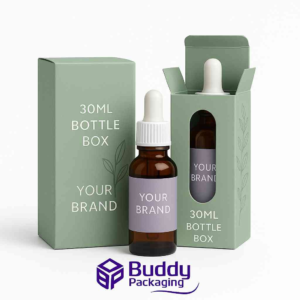
Many businesses turn to Custom Packaging to gain greater control over material choices, dimensions, and finishes. Custom solutions allow brands to tailor packaging precisely to their product needs while maintaining consistency across their product range.
Using Colour Psychology to Influence Buying Decisions
Colour is one of the most powerful visual elements in packaging design. Different colours evoke different emotions and perceptions, making colour selection a key packaging design strategy. Neutral tones often convey simplicity and elegance, while vibrant colours create energy and excitement.
Successful packaging designs use colour intentionally to reflect brand personality and product purpose. The right colour combinations improve shelf visibility and help consumers quickly identify the product category, making the buying decision easier and faster.
Typography as a Communication Tool
Typography is more than just text; it is a visual expression of the brand’s voice. The fonts used on packaging influence readability, personality, and perceived quality. Clean, well-spaced typography improves clarity and professionalism, while decorative fonts can add character when used carefully.
Effective packaging design strategies use typography to guide the customer’s eye. Product names, benefits, and essential information should be easy to read and logically arranged. Overloading packaging with text can confuse buyers and reduce visual impact.
The Role of Graphics and Visual Elements
Graphics and imagery help tell a product’s story at a glance. High-quality visuals can demonstrate product use, highlight key features, or evoke emotions that encourage purchase. For food, beauty, and lifestyle products, imagery often plays a decisive role in influencing buyers.
Designers frequently seek packaging design inspiration to explore innovative visual trends and global design standards. Studying successful packaging examples helps brands stay current while developing their own unique visual identity.
Sustainable Packaging Design Strategies
Sustainability has become a core expectation rather than a niche preference. Modern packaging design strategies increasingly focus on reducing environmental impact without compromising quality. Consumers are more likely to support brands that demonstrate responsible packaging practices.
Eco-friendly materials, reduced packaging waste, and minimalist designs all contribute to sustainability goals. Clearly communicating sustainability efforts on packaging builds transparency and strengthens customer trust. Brands that embrace sustainability not only protect the environment but also enhance brand reputation.
Packaging Design Strategies for eCommerce Brands
Ecommerce has transformed how packaging is designed and experienced. Products shipped directly to customers must withstand transportation while still delivering a positive unboxing experience. Protective packaging design reduces damage, returns, and customer dissatisfaction.
At the same time, packaging serves as a branding moment when customers open their orders. Thoughtful details such as branded inserts or personalised messages add value and make the experience memorable. These small touches often lead to positive reviews and social media exposure.
Managing Costs Without Compromising Design Quality
Cost efficiency is a practical concern in packaging design strategies, especially for growing businesses. Oversized or overly complex packaging increases production and shipping costs. Smart sizing and efficient material usage help control expenses while maintaining quality.
Scalable packaging design allows brands to adapt as product lines expand. Planning packaging systems that support multiple product variations ensures long-term flexibility and cost savings without constant redesigns.
Building Trust Through Transparency and Location Signals
Transparency is an important trust factor in modern branding. Including company details or location information on packaging reassures customers that they are buying from a legitimate and established business. This is especially important in competitive or online markets.
Sharing verified business information such as Buddy Packaging Location helps reinforce credibility and customer confidence. Trust signals contribute directly to brand loyalty and repeat purchases.
Avoiding Common Packaging Design Mistakes
Even well-intentioned packaging designs can fail if common mistakes are overlooked. Overloading packaging with excessive text or visuals reduces clarity and weakens brand messaging. Ignoring regulatory requirements can also create legal issues and disrupt distribution.
Another frequent mistake is copying competitors too closely. While market research is valuable, successful packaging design strategies focus on differentiation rather than imitation. Original designs make brands memorable and distinctive.
Measuring the Effectiveness of Packaging Design Strategies
Evaluating packaging performance is essential for continuous improvement. Sales trends, customer feedback, and return rates provide insights into how packaging influences buying behavior. Monitoring these indicators helps brands understand what works and what needs refinement.
Testing different packaging designs on a small scale allows businesses to gather real-world data before committing to large production runs. This approach reduces risk and ensures design decisions are backed by evidence.
Emerging Trends in Packaging Design
Packaging design continues to evolve alongside technology and consumer expectations. Interactive packaging features such as QR codes and digital experiences are becoming more common, adding value beyond the physical product.
Personalised packaging is also gaining popularity as brands seek to create stronger emotional connections with customers. Sustainability-driven innovation remains at the forefront, with increasing demand for biodegradable and reusable packaging solutions.
FAQs
What are packaging design strategies?
Packaging design strategies are planned approaches used to create packaging that protects products, communicates brand identity, attracts customers, and supports sales goals.
Why are packaging design strategies important for businesses?
They help brands stand out, build trust, improve customer experience, and influence purchasing decisions, making packaging a key marketing asset.
How does packaging design impact consumer behavior?
Packaging affects first impressions, perceived quality, and emotional response, all of which play a major role in buying decisions.
Is custom packaging worth the investment?
Yes, custom packaging allows brands to differentiate themselves, improve functionality, and present a professional image that supports long-term growth.
How can packaging support sustainability goals?
Using eco-friendly materials, reducing waste, and communicating sustainability efforts clearly on packaging help brands meet environmental expectations.
Elevate Your Brand With Smart Packaging Design
Effective packaging design strategies combine creativity, functionality, and purpose. When executed thoughtfully, packaging becomes more than a container—it becomes a powerful brand ambassador that influences perception, builds trust, and drives sales. By understanding your audience, maintaining brand consistency, embracing sustainability, and investing in quality design, your packaging can deliver lasting value.