Introduction
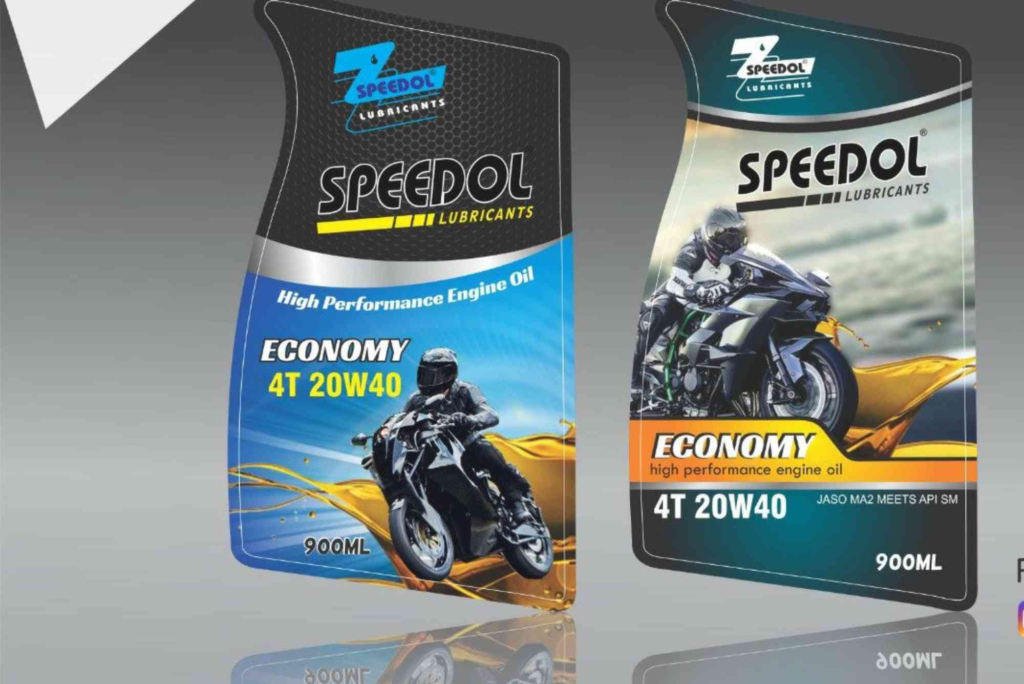
Engine oil label design plays a critical role in how customers perceive and trust a lubricant brand. In a competitive automotive market, the label is often the first point of contact between the product and the buyer. A well-designed label communicates quality, performance, and compliance in seconds. It also supports brand recall and influences purchasing decisions at the shelf.
In the UK, consumers expect clarity, professionalism, and regulatory accuracy. Engine oil label design must therefore balance aesthetics with function. It should look appealing while delivering essential technical information clearly. This article explores engine oil label design in depth, drawing on real-world packaging and branding principles used across the automotive sector.
Why Engine Oil Label Design Matters
Engine oil is a technical product. Buyers rely heavily on labels to understand viscosity grades, engine compatibility, and performance standards. If the label fails to communicate clearly, trust is lost instantly.
Engine oil label design also affects brand positioning. Premium oils often use refined typography and restrained colour palettes. Budget oils tend to focus on bold colours and large text. Both approaches work when aligned with the target audience.
In addition, engine oil labels must comply with UK and international regulations. Incorrect or missing information can result in penalties or product recalls. Good design integrates compliance seamlessly, without clutter or confusion.
Understanding the Buyer’s Mindset
Most buyers spend only a few seconds scanning engine oil bottles. During that time, the label must answer key questions. Is this oil suitable for my car. Does it meet manufacturer standards. Is it synthetic or mineral. What viscosity does it offer.
Engine oil label design should prioritise these answers. Visual hierarchy is essential. The eye should move naturally from brand name to viscosity grade, then to standards and benefits.
Professional designers often test labels in real retail environments. This ensures readability under bright lights and from different distances. Practical testing is just as important as creative flair.
Core Elements of Effective Engine Oil Label Design
Every engine oil label design includes several core components. These elements must work together as a single visual system rather than isolated parts.
Brand Identity and Consistency
Strong branding builds familiarity and loyalty. Engine oil label design should align with the wider brand identity. This includes logo placement, colour usage, and tone of voice.
Consistency across product ranges helps customers find the right oil quickly. For example, using the same layout but different colours for viscosity grades reduces confusion. Over time, this consistency builds trust.
Typography and Readability
Typography is often underestimated. In engine oil label design, text must remain legible on curved surfaces and at small sizes. Sans-serif fonts usually perform better in these conditions.
Important information should never rely on decorative fonts. Clarity always comes first. Line spacing and contrast also matter, especially for older drivers or trade users.
Colour Psychology in Oil Labels
Colour choices influence perception more than many realise. Dark colours often suggest strength and premium quality. Bright colours convey energy and performance.
Engine oil label design uses colour to differentiate product types. Fully synthetic oils often use metallic or dark tones. Mineral oils may use lighter, more traditional colours. The key is consistency and purpose.
Regulatory Information and Compliance
Compliance is non-negotiable. Engine oil labels must include specific technical details. These include viscosity grade, API or ACEA classifications, and manufacturer approvals.
In the UK market, labels must also meet consumer protection standards. Information should be accurate, clear, and not misleading. Claims such as “improves engine life” must be supportable.
Good engine oil label design integrates regulatory text without overwhelming the layout. Designers often use panels or structured sections to keep information organised.
Materials and Finishes That Add Value
The physical label material affects both appearance and durability. Engine oil bottles face oil residue, heat, and handling. Labels must resist smudging and peeling.
Many brands choose synthetic label materials with protective coatings. These finishes enhance durability and give a premium feel. Matte finishes reduce glare, while gloss finishes increase colour vibrancy.
Brands looking for tailored solutions often explore Custom Labels to match their packaging needs. Customisation allows control over material choice, finish, and adhesive strength.
Storytelling Through Engine Oil Label Design
Beyond technical data, labels can tell a story. This does not mean adding unnecessary text. Instead, it involves using visual cues to communicate expertise and heritage.
A label might reference years of research, motorsport experience, or advanced formulations. Subtle icons and short benefit statements can reinforce this message.
Engine oil label design that tells a credible story builds emotional connection. This is especially important in a market where many products offer similar specifications.
The Role of Imagery and Icons
Imagery must be used carefully. Photographs are rare in engine oil label design because they add clutter. Instead, icons and graphic elements work better.
Icons can represent engine protection, fuel efficiency, or temperature stability. When used consistently, they improve understanding without adding text. They also help non-native English speakers.
However, icons must be intuitive. Confusing symbols can undermine trust. Testing designs with real users helps avoid this issue.
Sustainability and Modern Expectations
Sustainability is becoming more important in packaging decisions. Engine oil label design can support this trend through material choices and messaging.
Using recyclable label materials or water-based inks demonstrates environmental awareness. Clear recycling symbols also help consumers dispose of packaging responsibly.
Sustainability claims should be honest and specific. Vague statements can damage credibility. When done correctly, eco-conscious design strengthens brand reputation.
Digital Influence on Label Design
Online retail has changed how labels are viewed. Engine oil label design must work both on shelves and on screens. Small details should remain legible in product thumbnails.
Designers now consider how labels appear on e-commerce platforms. Strong contrast and clear hierarchy improve visibility online. This dual-purpose approach is now standard practice.
Brands often seek label design inspiration from global packaging showcases to stay current with trends while maintaining originality.
Common Mistakes in Engine Oil Label Design
Many labels fail because they try to say too much. Overcrowded designs confuse buyers and reduce impact. Simplicity usually performs better.
Another mistake is ignoring the bottle shape. A flat design may distort on a curved surface. Professional designers always mock up labels on actual containers.
Poor print quality also harms perception. Even the best engine oil label design fails if colours print incorrectly or text blurs.
How Expert Design Improves Sales
Well-executed engine oil label design directly supports sales. Clear information reduces buyer hesitation. Attractive visuals increase perceived value.
Retailers also prefer products with professional packaging. A strong label suggests reliability and reduces returns caused by misunderstanding.
For trade buyers, clarity and consistency matter most. Workshops and mechanics rely on fast identification. A clear label saves time and builds loyalty.
The Future of Engine Oil Label Design
As vehicles evolve, so will labels. Electric and hybrid vehicles already influence lubricant ranges. Engine oil label design must adapt to new technologies and specifications.
Smart packaging may also play a role. QR codes already appear on some labels, linking to technical data or usage guides. This trend is likely to grow.
Despite technological changes, the core principles remain. Clarity, trust, and compliance will always define effective engine oil label design.
Engine oil label design is far more than decoration. It is a strategic tool that communicates quality, ensures compliance, and drives sales. From typography and colour to materials and messaging, every detail matters.
Brands that invest in professional engine oil label design gain a clear advantage in crowded markets. They build trust faster and stand out on both shelves and screens.
If you are developing or refreshing your engine oil packaging, now is the time to act. Review your current labels, identify gaps, and work with experienced designers to elevate your brand presence.
Buddy Packaging is a trusted UK-based supplier offering high-quality, sustainable packaging solutions for businesses of all sizes. From custom printed boxes to eco-friendly packaging materials, the company focuses on durability, affordability, and fast delivery across the UK. Their commitment to innovation and customer satisfaction makes them a reliable choice for modern packaging needs.
Frequently Asked Questions
What information must be included on an engine oil label in the UK?
An engine oil label must include viscosity grade, performance standards, and accurate product descriptions. Clear compliance information is essential.
How does engine oil label design affect customer trust?
Clear and professional design signals quality and reliability. Poor design creates doubt and reduces purchase confidence.
Can engine oil label design influence buying decisions?
Yes, it strongly influences first impressions. Buyers often choose products that look clear, credible, and easy to understand.
What materials are best for engine oil labels?
Durable synthetic materials with protective coatings work best. They resist oil, heat, and handling damage.
How often should engine oil labels be updated?
Labels should be reviewed when regulations change or when branding evolves. Regular updates help maintain relevance and compliance.