Introduction
Packaging is often the first physical interaction a customer has with a product, and that moment matters more than many brands realize. The right packaging design styles can communicate value, quality, sustainability, and brand personality before a customer even reads the label. In competitive markets, packaging is no longer just about protection; it is a powerful marketing tool that influences buying decisions, brand recall, and customer loyalty. Understanding different packaging design styles helps businesses choose a visual direction that aligns with their audience and product goals while standing out on crowded shelves.
Understanding the Role of Packaging Design Styles in Branding
Packaging design styles shape how consumers perceive a brand. A clean and minimal design can signal premium quality, while bold colours and playful typography can create excitement and accessibility. Successful brands treat packaging as an extension of their identity, ensuring consistency across products and platforms. When packaging design styles are chosen strategically, they reinforce brand trust and help customers instantly recognize products, whether in-store or online.
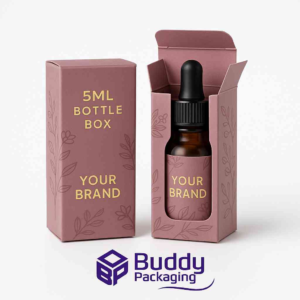
From an industry perspective, brands that invest in thoughtful packaging design often see higher engagement and repeat purchases. Experienced designers understand how materials, colours, typography, and structure work together to tell a story. This is why many businesses partner with specialists offering Custom Packaging solutions that balance aesthetics with functionality.
Minimalist Packaging Design Styles
Minimalist packaging design styles focus on simplicity, clarity, and purpose. They rely on clean layouts, limited colour palettes, and strong typography to create an elegant and modern look. This style works particularly well for premium products such as cosmetics, tech accessories, and wellness items, where understated design conveys confidence and quality.
In practice, minimalist packaging reduces visual noise, making the product message easier to understand. Brands like Apple and Muji have demonstrated how minimal packaging design styles can elevate perceived value while remaining timeless. Designers often use negative space intentionally, allowing the product name or logo to take center stage without distraction.
Why Minimalism Appeals to Modern Consumers
Modern consumers are overwhelmed with visual information, both online and offline. Minimalist packaging design styles offer a sense of calm and clarity, which can be refreshing in busy retail environments. From experience, brands targeting professionals or luxury buyers often benefit from this approach because it aligns with a desire for sophistication and simplicity.
Vintage and Retro Packaging Design Styles
Vintage and retro packaging design styles draw inspiration from past decades, using nostalgic typography, muted colour schemes, and classic illustrations. This style is effective for brands that want to evoke tradition, craftsmanship, or authenticity. Food, beverage, and personal care brands frequently adopt retro aesthetics to suggest heritage and trust.
What makes vintage packaging design styles powerful is their emotional connection. Consumers often associate retro visuals with quality and familiarity. Designers who understand historical design trends can recreate these looks authentically rather than relying on clichés, which enhances credibility and appeal.
Balancing Nostalgia with Modern Expectations
While vintage packaging design styles are rooted in the past, they must still meet modern standards of usability and compliance. Successful designs blend nostalgic visuals with contemporary layouts and materials, ensuring the packaging feels relevant rather than outdated.
Bold and Experimental Packaging Design Styles
Bold packaging design styles embrace vibrant colours, unconventional shapes, and striking graphics. These designs are meant to stand out instantly and capture attention, making them ideal for startups, youth-focused brands, and limited-edition products. In crowded retail spaces, bold packaging can be the difference between being noticed or ignored.
Designers working with bold packaging design styles often experiment with textures, finishes, and structural elements. From firsthand industry experience, brands that take creative risks in packaging often generate social media buzz and word-of-mouth marketing, especially when designs are visually shareable.
When to Choose Bold Packaging Design Styles
Bold packaging design styles work best when the brand personality supports experimentation. If a brand positions itself as innovative or disruptive, expressive packaging reinforces that message. However, bold design must still align with usability and brand clarity to avoid confusion.
Sustainable and Eco-Friendly Packaging Design Styles
Sustainability has become a defining factor in packaging design styles. Eco-friendly packaging emphasizes recyclable materials, earthy colour palettes, and transparent messaging about environmental impact. Consumers increasingly expect brands to demonstrate responsibility, and packaging is one of the most visible ways to do so.
Sustainable packaging design styles often use kraft paper, biodegradable inks, and minimal coatings. From a professional standpoint, brands that communicate sustainability clearly on packaging build trust and credibility. This approach is especially effective for organic food, beauty, and lifestyle products.
Communicating Sustainability Through Design
Effective eco-friendly packaging design styles do more than use green colours or leaf icons. They communicate sustainability through honest messaging, material choices, and functional design. Transparency is key, as informed consumers can quickly spot greenwashing.
Luxury Packaging Design Styles
Luxury packaging design styles focus on creating a premium experience through high-quality materials, refined typography, and sophisticated finishes. Embossing, foil stamping, magnetic closures, and custom inserts are commonly used to enhance tactile appeal.
In luxury markets, packaging design styles contribute directly to perceived value. From experience working with high-end brands, customers often keep luxury packaging, reinforcing brand presence long after purchase. This emotional connection can justify higher price points and encourage brand loyalty.
The Psychology Behind Luxury Packaging
Luxury packaging design styles appeal to senses beyond sight, including touch and sound. The weight of the box, the smoothness of the material, and even the way it opens all influence perception. Thoughtful design turns unboxing into an experience rather than a routine action.
Playful and Illustrative Packaging Design Styles
Playful packaging design styles use custom illustrations, bright colours, and friendly typography to create an approachable and engaging look. This style is popular in children’s products, snacks, and lifestyle brands that want to appear fun and relatable.
Illustrative packaging design styles allow brands to tell stories visually. Designers can create characters, scenes, or patterns that build a unique world around the product. This storytelling approach strengthens brand identity and makes packaging more memorable.
Building Emotional Connections Through Illustration
Illustrations humanize brands. When used effectively, playful packaging design styles create emotional connections, especially with younger audiences. From practical experience, illustrated packaging often performs well in digital marketing because it stands out in photos and videos.
Cultural and Localized Packaging Design Styles
Cultural packaging design styles incorporate local symbols, colours, and design traditions to connect with specific markets. This approach is valuable for brands expanding globally or targeting niche audiences who value cultural authenticity.
Localized packaging design styles demonstrate respect and understanding of cultural context. Brands that invest in research and collaborate with local designers often achieve stronger market acceptance and avoid miscommunication.
Authenticity in Cultural Design
Authenticity is critical in cultural packaging design styles. Superficial use of cultural elements can feel insincere. Designers with cultural knowledge or lived experience bring depth and accuracy to these designs, enhancing trust and engagement.
Digital-First Packaging Design Styles
With the rise of e-commerce, packaging design styles must perform well on screens as well as in physical spaces. Digital-first packaging focuses on clear branding, readable typography, and strong contrast to ensure products look appealing in online listings and social media content.
From professional observation, brands that optimize packaging design styles for digital platforms often see higher click-through rates and conversions. Packaging that photographs well becomes a marketing asset rather than just a container.
Designing for the Unboxing Experience
Digital-first packaging design styles consider the unboxing experience as shareable content. Thoughtful design encourages customers to post photos or videos, extending brand reach organically.
Choosing the Right Packaging Design Style for Your Brand
Selecting the right packaging design styles requires understanding your audience, product, and brand values. There is no universal solution, and successful brands often evolve their packaging over time. Consulting experienced designers and following proven packaging design tips can help avoid costly mistakes and ensure alignment with business goals.
For brands seeking expert support, exploring Custom Packaging options tailored to specific needs can streamline the design and production process. Understanding logistics and accessibility, such as the Buddy Packaging Location, also plays a role in efficient collaboration and timely delivery.
Elevate Your Brand with the Right Packaging Design Styles
Packaging design styles are more than visual choices; they are strategic tools that influence perception, trust, and purchasing decisions. Whether you choose minimalist, bold, sustainable, or luxury packaging design styles, the key is alignment with your brand identity and customer expectations. By investing in thoughtful design and leveraging professional expertise, brands can transform packaging into a powerful competitive advantage. If you are ready to refine your packaging strategy, now is the time to explore innovative design approaches that resonate with your audience and elevate your brand presence.
FAQs
What are the most popular packaging design styles today?
The most popular packaging design styles include minimalist, sustainable, bold, and luxury designs. These styles reflect current consumer preferences for clarity, responsibility, creativity, and premium experiences.
How do packaging design styles affect buying decisions?
Packaging design styles influence first impressions, perceived value, and emotional response. Well-designed packaging can attract attention, build trust, and encourage purchase even before a customer evaluates the product itself.
Can small businesses benefit from professional packaging design styles?
Small businesses often benefit significantly from professional packaging design styles because strong packaging helps them compete with larger brands. Strategic design creates credibility and improves brand recognition.
How often should a brand update its packaging design style?
Brands typically update packaging design styles every few years or when targeting new markets. Updates should be based on customer feedback, market trends, and brand evolution rather than frequent cosmetic changes.
Is sustainable packaging design more expensive?
Sustainable packaging design styles can sometimes cost more initially, but they often lead to long-term benefits such as improved brand loyalty and reduced environmental impact, which many consumers value highly.