Relief Printing Designs: A Complete Guide to Timeless Print Art
Relief printing designs represent one of the oldest and most influential printmaking methods in human history. Despite their ancient roots, they remain highly relevant in modern art, branding, and packaging. From handcrafted textures to bold graphic impressions, relief printing designs offer a unique blend of tradition and innovation. This article explores their meaning, techniques, applications, and future potential while explaining why they continue to inspire designers and artists across the UK and beyond.
Relief printing designs are valued for their tactile quality, visual depth, and artistic authenticity. In an age of digital perfection, the slight imperfections of relief prints add character and warmth. This human quality makes them especially appealing in creative industries that value originality and craftsmanship.
Understanding Relief Printing Designs
Relief printing designs are created by carving away non-image areas from a surface, leaving raised sections to hold ink. These raised areas transfer ink onto paper, fabric, or other materials when pressed. The process is simple in principle, yet incredibly versatile in practice.
This technique relies on contrast. The raised surfaces form the visible design, while the carved areas remain blank. As a result, relief printing designs often appear bold, graphic, and highly readable. This quality makes them ideal for posters, book covers, packaging, and decorative art. Historically, relief printing designs were used to reproduce religious texts, illustrations, and official documents. Over time, artists began experimenting with style, texture, and composition, turning a functional process into a respected art form.
A Brief History of Relief Printing
Relief printing designs date back thousands of years. Early examples appeared in ancient China, where woodblock printing was used to reproduce texts and images. The technique later spread to Japan, Europe, and the Middle East, shaping the development of printed communication.
In Europe, relief printing designs played a major role during the Renaissance. Artists used woodcuts to illustrate books and share ideas widely. These prints helped spread knowledge, art, and culture at a time when hand-copied manuscripts were costly and slow to produce. In Japan, relief printing designs evolved into the famous ukiyo-e tradition. These prints captured everyday life, landscapes, and theatre scenes. Their influence later reached Western artists, including Van Gogh and Monet, who admired their composition and colour use.
Core Techniques in Relief Printing Designs
Relief printing designs are created using several techniques, each with its own visual character and technical approach. While the basic principle remains the same, the choice of material and tools greatly affects the final result.
Woodcut Printing
Woodcut printing is the oldest form of relief printing design. Artists carve designs into wooden blocks, usually along the grain. This method produces strong lines and a distinctive texture. The natural grain of the wood often becomes part of the design, adding organic movement and depth.
Woodcut relief printing designs are known for their expressive quality. They work well for bold imagery, storytelling, and decorative patterns. Many contemporary artists continue to use woodcut techniques to create limited edition prints and art pieces.
Linocut Printing
Linocut printing developed in the twentieth century as a modern alternative to woodcut. Linoleum is softer and easier to carve, allowing for smoother lines and more detailed designs. Relief printing designs made with linocut often appear cleaner and more fluid.
Because linoleum lacks wood grain, linocut relief printing designs focus more on shape and contrast. This technique is popular in educational settings, illustration, and modern graphic art.
Modern Relief Variations
Today, relief printing designs also incorporate synthetic materials, laser-cut blocks, and mixed media. Some artists combine traditional carving with digital planning. Others experiment with unconventional surfaces to push creative boundaries.
Despite technological advances, the core appeal of relief printing designs remains rooted in manual craftsmanship. The physical act of carving connects the artist directly to the final image.
Materials and Tools Used in Relief Printing Designs
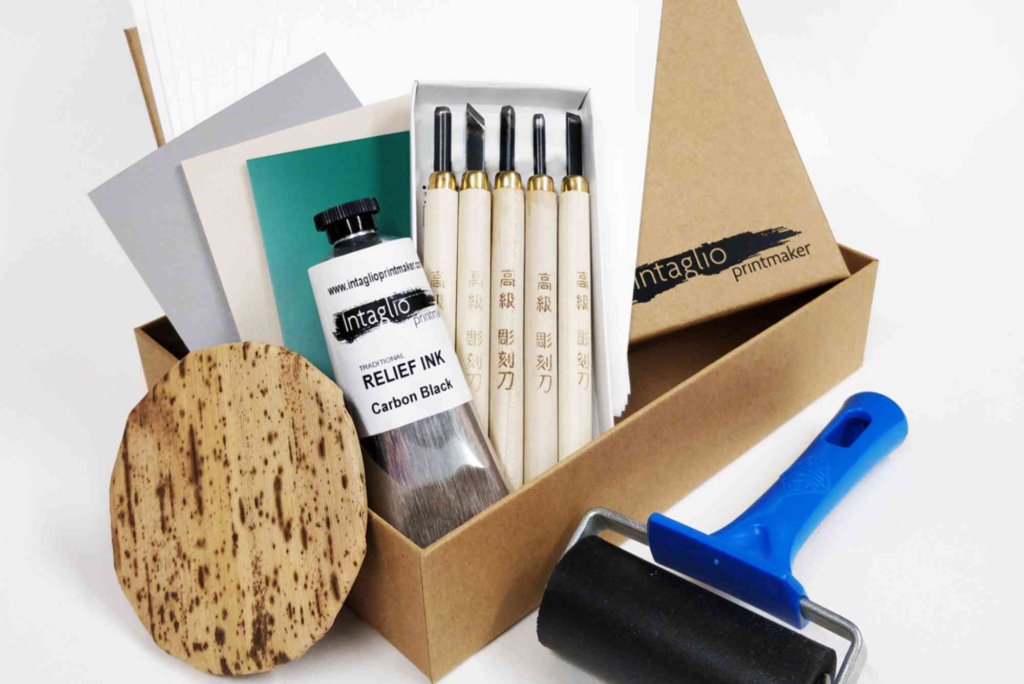
Relief printing designs require relatively simple materials, which contributes to their accessibility. Common materials include wood, linoleum, rubber, and specialised carving tools. Ink selection is equally important, as it affects texture, opacity, and durability.
Paper choice also plays a crucial role. Thicker papers capture texture more effectively, while smoother papers produce sharper impressions. Some relief printing designs are created on fabric, leather, or packaging materials to achieve specific functional or aesthetic goals. The printing process can be done by hand using a baren or spoon, or with a press for more consistent results. Each method influences the final appearance, allowing artists to control pressure and ink distribution.
Relief Printing Designs in Modern Art and Design
Relief printing designs continue to thrive in contemporary art. Many artists value the slow, deliberate process as a counterbalance to digital speed. The technique encourages thoughtful composition and intentional mark-making.
In graphic design, relief printing designs inspire logos, posters, and editorial illustrations. Their bold contrast and handmade feel help brands stand out in crowded visual environments. This is particularly effective for businesses that prioritise authenticity and craftsmanship. Relief printing designs are also influential in textile design, wallpaper patterns, and book illustration. Their adaptability allows them to cross disciplines while retaining a distinct visual identity.
Role of Relief Printing Designs in Packaging
Packaging design increasingly draws inspiration from traditional print techniques. Relief printing designs offer a tactile and premium feel that enhances brand perception. Textured prints suggest quality, care, and attention to detail.
Many brands now integrate relief-inspired elements into labels, boxes, and wraps. This approach works especially well for artisanal products, sustainable goods, and limited editions. When combined with thoughtful materials, relief printing designs elevate packaging beyond mere protection. Businesses focused on Custom Packaging often use relief-style graphics to communicate authenticity and heritage. This visual language resonates with consumers who value transparency and craftsmanship in product presentation.
Combining Relief Printing Designs with Digital Processes
While relief printing designs are rooted in tradition, they adapt well to modern workflows. Designers often sketch digitally before carving by hand. Others scan printed textures and integrate them into digital layouts. This hybrid approach allows relief printing designs to scale for commercial use while retaining their handmade charm. Digital tools also help refine composition, colour separation, and alignment before printing.
By blending old and new, designers achieve efficiency without sacrificing character. This balance is particularly valuable in branding and packaging projects.
Design Principles Behind Effective Relief Printing Designs
Successful relief printing designs rely on strong composition and clear contrast. Because the technique emphasises positive and negative space, simplicity is essential. Overly complex details may be lost during printing. Typography in relief printing designs often features bold, simple letterforms. Hand-carved type adds personality but requires careful spacing and alignment. Visual rhythm, balance, and texture guide the viewer’s eye across the design.
Understanding basic packaging design tips helps designers apply relief aesthetics effectively in commercial contexts. Knowledge of layout, hierarchy, and material behaviour ensures the final result is both attractive and functional.
Sustainability and Relief Printing Designs
Relief printing designs align naturally with sustainable practices. Many artists use renewable materials, water-based inks, and minimal equipment. The process generates little waste compared to large-scale industrial printing. This eco-friendly aspect appeals to environmentally conscious brands and consumers. Sustainable packaging often incorporates relief-inspired designs to reinforce its ethical message.
By choosing responsible materials and methods, relief printing designs support both creative expression and environmental responsibility.
Relief Printing Designs for Branding and Identity
Brands seeking differentiation often turn to relief printing designs for visual identity. The handcrafted look conveys trust, tradition, and individuality. This is particularly effective for small businesses, craft producers, and heritage brands.Logos inspired by relief printing designs feel grounded and memorable. They work well across print and digital platforms, especially when paired with natural materials and muted colour palettes.
Physical touchpoints, such as packaging and labels, benefit most from relief aesthetics. These elements create a sensory connection between brand and consumer.
Learning and Practising Relief Printing Designs
Learning relief printing designs requires patience and practice. Beginners often start with linocut due to its ease of carving. Over time, artists develop confidence in tool control, composition, and ink handling.
Workshops, studios, and community spaces across the UK offer opportunities to explore relief printing designs hands-on. Visiting creative hubs and studios, including those near the Buddy Packaging Location, provides valuable exposure to professional practices and real-world applications.
Consistent practice builds technical skill and artistic voice. Each print teaches something new about pressure, timing, and material behaviour.
Future of Relief Printing Designs
The future of relief printing designs looks promising. As audiences seek authenticity and tactile experiences, handcrafted aesthetics gain renewed value. Designers increasingly integrate relief textures into digital branding to create warmth and depth.
Technological tools will continue to support, rather than replace, traditional methods. Laser cutting, for example, allows precise carving while preserving relief principles.
Relief printing designs will likely remain a bridge between past and present. Their adaptability ensures continued relevance in art, design, and packaging.
Why Relief Printing Designs Still Matter
Relief printing designs endure because they speak to something fundamentally human. They reflect time, effort, and intention. In a world dominated by screens, their physical presence offers balance and authenticity. From fine art to packaging, relief printing designs add character and meaning. They connect history with modern creativity, tradition with innovation. For designers, artists, and brands, they provide a powerful visual language that stands apart.
If you want to explore relief printing designs in your own projects, start by studying the basics and experimenting with materials. Whether for art, branding, or packaging, this timeless technique continues to inspire and engage. Embrace the process, value the imperfections, and let relief printing designs bring depth to your creative work.
When planning a modern retail workspace, exploring Printing Shop Design Ideas can greatly improve both visual appeal and customer flow. A well-designed printing shop uses smart layouts, balanced colours, and practical displays to enhance productivity and brand identity. For expert guidance and creative inspiration, these printing shop design ideas offer valuable insights to help you create a professional and customer-friendly environment.
FAQs
What are relief printing designs used for today?
Relief printing designs are used in art, packaging, branding, textiles, and illustration. They offer a handcrafted aesthetic that adds authenticity and visual impact.
What materials are best for relief printing designs?
Wood and linoleum are the most common materials. Linoleum is easier for beginners, while wood offers rich texture and tradition.
How is relief printing different from other printmaking methods?
Relief printing designs use raised surfaces to transfer ink. In contrast, intaglio and lithography rely on recessed or flat surfaces.
Are relief printing designs suitable for commercial packaging?
Yes, relief-inspired designs work well in commercial packaging. They enhance brand identity and convey quality and craftsmanship.
Can beginners learn relief printing designs easily?
Beginners can learn relief printing designs with basic tools and practice. Starting with linocut helps build confidence and technique.