Fragrance Packaging Design: Crafting Identity, Emotion, and Value
Fragrance packaging design plays a powerful role in how a perfume is perceived, remembered, and chosen. Before a scent is ever experienced, its packaging tells a story. It communicates luxury, romance, freshness, or mystery within seconds. In a competitive fragrance market, packaging often becomes the deciding factor that draws a customer closer. For brands aiming to stand out, fragrance packaging design is not decoration alone. It is strategy, psychology, and craftsmanship combined.
Modern consumers expect more than a beautiful bottle. They seek meaning, sustainability, and authenticity. As a result, fragrance packaging design has evolved into a multi-layered discipline that blends aesthetics with functionality and brand values. When executed well, it builds trust and emotional connection, while also supporting long-term brand growth.
The Strategic Importance of Fragrance Packaging Design
Fragrance packaging design directly influences buying behaviour. Shoppers often make decisions within moments of seeing a product. Colour, shape, texture, and typography all contribute to this instant judgement. A well-designed package signals quality and sets expectations about the scent inside.
Packaging also helps position a fragrance in the market. A minimalist glass bottle with muted tones suggests sophistication and modernity. In contrast, ornate detailing and bold colours often imply richness and tradition. Through fragrance packaging design, brands can clearly communicate whether a product is niche, mass-market, artisanal, or luxury. Beyond visual appeal, packaging must protect the fragrance. Light, heat, and air can degrade perfume over time. Quality materials and precise construction ensure the scent remains stable and enjoyable. This practical role strengthens customer satisfaction and reinforces brand credibility.
Understanding the Emotional Power of Packaging
Fragrance is deeply emotional. It connects to memory, identity, and mood. Fragrance packaging design must reflect this emotional depth. Every element should support the story the brand wants to tell. When the outer design aligns with the scent profile, the experience feels complete and authentic.
Textures can evoke emotion just as strongly as visuals. Soft-touch finishes suggest comfort and intimacy. Polished metal details imply strength and confidence. Even the sound of opening a cap can influence perception. These subtle sensory cues elevate fragrance packaging design from visual presentation to a full experience. Consumers often keep perfume bottles long after the fragrance is gone. This lasting presence turns packaging into a brand ambassador within the home. Thoughtful design increases this longevity and deepens brand recall.
Key Elements That Define Successful Fragrance Packaging Design
Every successful fragrance package begins with a clear brand identity. Designers must understand the brand’s history, target audience, and values. Without this foundation, even the most attractive design may feel disconnected.
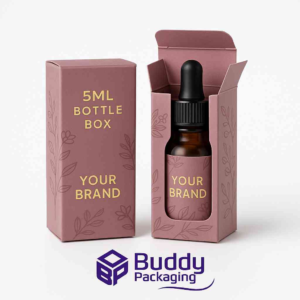
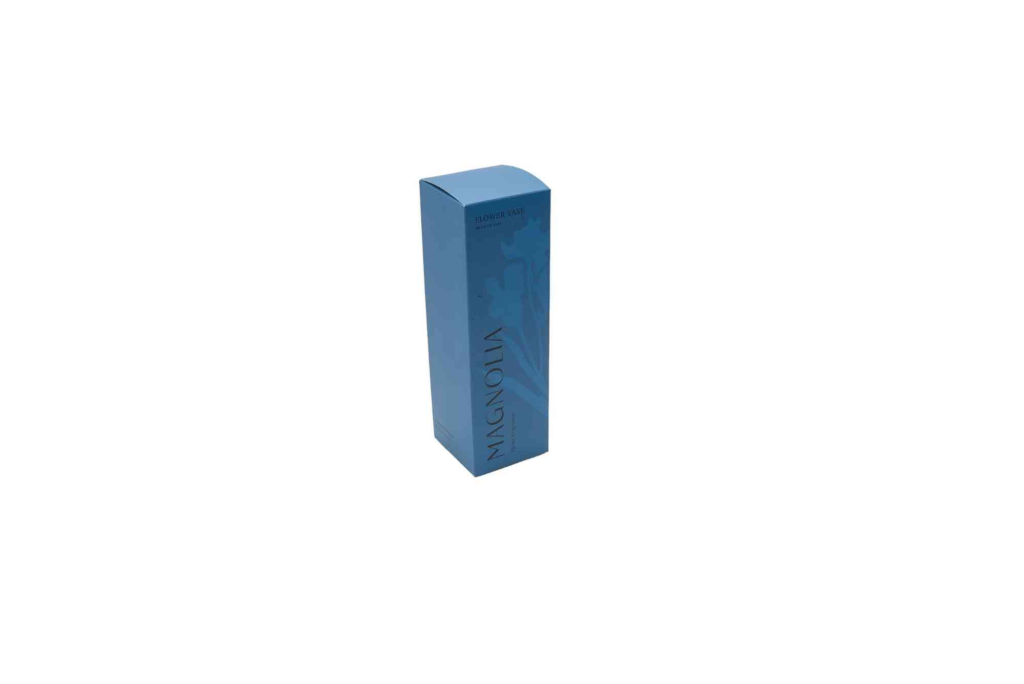
Bottle shape is one of the most recognisable elements. Custom moulds help brands achieve uniqueness, while standard shapes can be elevated through detailing. The weight of the bottle also matters. Heavier bottles often feel more luxurious and substantial in the hand. Typography should match the brand voice. Elegant serif fonts suggest heritage and refinement. Clean sans-serif fonts often reflect modernity and simplicity. Legibility remains essential, especially for regulatory information. Outer packaging, such as boxes, provides another storytelling layer. This is where brands often explore materials, textures, and finishes more freely. Many companies invest in Custom Packaging to create boxes that protect the product while enhancing shelf impact and unboxing appeal.
The Role of Materials in Modern Fragrance Packaging
Material selection is central to fragrance packaging design. Glass remains the most popular choice for perfume bottles due to its purity and chemical stability. Clear glass highlights the fragrance colour, while tinted glass can protect against light exposure.
Metal components, such as caps and collars, add durability and visual contrast. Plastic, when used thoughtfully, can reduce weight and cost without sacrificing quality. Advances in material technology have made high-end plastics more sustainable and visually appealing. Sustainability now plays a major role in material decisions. Consumers increasingly expect eco-conscious choices. Recyclable glass, biodegradable coatings, and reduced plastic usage are becoming standard rather than optional. Brands that integrate sustainability into fragrance packaging design demonstrate responsibility and future-focused thinking.
Sustainability as a Core Design Principle
Sustainable fragrance packaging design goes beyond material selection. It considers the entire lifecycle of the product. Refillable bottles, modular components, and minimal outer packaging reduce waste and encourage reuse.
Many brands now communicate their sustainability efforts directly through packaging. This transparency builds trust and appeals to environmentally aware consumers. However, sustainability must feel genuine. Greenwashing can damage brand reputation if claims are not supported by real action. Balancing luxury with sustainability is a challenge, but it is achievable. Elegant design does not require excess. Thoughtful simplicity often feels more premium and aligns naturally with eco-friendly values.
The Influence of Print and Finishing Techniques
Print quality and finishing details can transform fragrance packaging design. Techniques such as embossing, debossing, foiling, and spot UV add depth and tactile interest. These details invite interaction and signal craftsmanship.
Colour accuracy is especially important in fragrance branding. Inconsistent shades can weaken brand recognition. Close collaboration with printers ensures consistency across batches and markets. Staying informed about print & finishing insights helps brands make informed decisions and maintain high standards. Finishing choices should enhance the design, not overwhelm it. Subtlety often creates a more refined and timeless look. When print and finishing are aligned with the brand story, the result feels cohesive and intentional.
How Fragrance Packaging Design Supports Brand Storytelling
Every fragrance has a story, whether it is inspired by nature, travel, history, or emotion. Fragrance packaging design acts as the visual narrator of this story. Through imagery, colour palettes, and materials, packaging invites consumers into the brand’s world.
For niche and artisan brands, storytelling is especially important. Limited production runs and handcrafted details can be highlighted through packaging choices. This approach creates a sense of exclusivity and authenticity. Even established brands benefit from evolving their packaging narratives. Refreshing designs while maintaining recognisable elements keeps the brand relevant without losing heritage. Consistency and evolution must work together.
Regional Identity and Local Presence
Location can influence fragrance packaging design in subtle ways. Cultural preferences, climate, and retail environments all play a role. Brands with a strong local presence often incorporate regional identity into their packaging.
Highlighting a physical presence can also build trust. For example, sharing a clear Buddy Packaging Location reassures customers of transparency and accessibility. This sense of place strengthens brand authenticity and connection.
Meeting Regulatory and Practical Requirements
Fragrance packaging design must comply with regulations related to labelling, safety, and transportation. Ingredient information, allergen warnings, and batch codes are essential. These elements should be integrated seamlessly into the design.
Practical considerations such as shipping durability and shelf efficiency also matter. Packaging that looks beautiful but fails during transit can harm both product and reputation. Testing and quality control are essential stages in the design process.
Elevating Brands Through Thoughtful Design
Fragrance packaging design is far more than visual decoration. It is a strategic tool that blends emotion, function, and brand storytelling. From material selection to finishing details, every decision influences how a fragrance is perceived and remembered.
As consumer expectations continue to rise, brands must approach fragrance packaging design with care and intention. Sustainability, authenticity, and sensory experience are no longer optional. They are essential to success in a crowded market.
Future Trends in Fragrance Packaging Design
The future of fragrance packaging design is shaped by technology, sustainability, and personalisation. Smart packaging, including QR codes and NFC tags, allows brands to share stories, verify authenticity, and engage customers digitally.
Genius Packaging Design Genius packaging design blends creativity, functionality, and brand identity to create memorable customer experiences. It not only protects the product but also communicates value, tells a story, and attracts attention on crowded shelves. Smart use of materials, colors, and structure can influence buying decisions and strengthen brand recognition.
Personalisation is also gaining momentum. Custom engravings, limited-edition designs, and seasonal packaging create excitement and exclusivity. These approaches encourage repeat purchases and social sharing. Minimalism continues to influence design trends, but with increasing emphasis on texture and material quality. Rather than bold graphics, brands are focusing on subtle details that reward closer inspection.
Frequently Asked Questions
What is fragrance packaging design and why is it important?
Fragrance packaging design is the process of creating bottles and boxes that present and protect perfume. It is important because it shapes first impressions, communicates brand identity, and influences purchasing decisions.
How does packaging affect perfume sales?
Packaging attracts attention on shelves and online. A well-designed package builds trust, signals quality, and encourages consumers to try the fragrance.
What materials are best for perfume packaging?
Glass is the most common due to its stability and premium feel. Sustainable materials are increasingly popular as brands respond to environmental concerns.
How can fragrance packaging be made more sustainable?
Sustainability can be improved through recyclable materials, refillable bottles, reduced packaging, and responsible sourcing.
Why do luxury fragrances invest heavily in packaging design?
Luxury brands use packaging to express exclusivity, craftsmanship, and emotion. High-quality design justifies premium pricing and enhances brand perception.