A strong Packaging Design Strategy is more than visual appeal. It connects your brand story, customer expectations, and business goals into one tangible experience. In competitive markets, packaging often becomes the first point of physical interaction between a brand and its audience. That moment can determine whether a product is chosen or ignored.
Today, brands across industries—from fitness studios like Orange Theory Mountain View to global consumer goods companies—are investing deeply in packaging that communicates value instantly. When done right, packaging speaks before the product is even used. It builds trust, sparks curiosity, and reinforces brand identity.
This guide explores how to develop a high-impact Packaging Design Strategy grounded in clarity, research, and real-world application. You will learn how to align creativity with functionality while meeting modern consumer expectations.
Understanding the Core of Packaging Design Strategy
Packaging Design Strategy is the structured approach behind how packaging looks, feels, and functions. It defines why design choices exist, not just how they appear. A thoughtful strategy considers customer behavior, retail environments, sustainability, and brand positioning.
At its core, packaging design is communication. Colors, materials, typography, and structure all send signals. These signals influence perceived quality, usability, and emotional connection. Without strategy, packaging becomes decoration rather than a business tool.
Strategic packaging aligns design with long-term brand goals. It ensures consistency across product lines and adaptability as markets evolve. Brands that prioritize strategy outperform those relying on aesthetics alone.
The Role of Consumer Psychology in Packaging Design
Understanding how customers think is essential to an effective Packaging Design Strategy. Consumers often make decisions in seconds. Packaging must capture attention while remaining easy to understand.
Color psychology plays a significant role. Warm tones can suggest energy and urgency, while cooler tones convey calm and trust. Typography also shapes perception. Clean fonts imply professionalism, while playful fonts suggest creativity or youthfulness.
Beyond visuals, tactile experience matters. The texture, weight, and opening mechanism influence perceived value. When packaging feels premium, customers associate that quality with the product inside.
Aligning Brand Identity with Packaging Design
Brand identity should guide every packaging decision. A Packaging Design Strategy must reflect brand voice, values, and positioning consistently. This alignment builds recognition and loyalty over time.
Packaging acts as a silent brand ambassador. Whether displayed on shelves or shared online, it reinforces who you are as a brand. Inconsistent design confuses customers and weakens trust.
Successful brands treat packaging as part of their storytelling. Every element supports a cohesive narrative that customers remember and recognize instantly.
Packaging Design Strategy in Competitive Markets
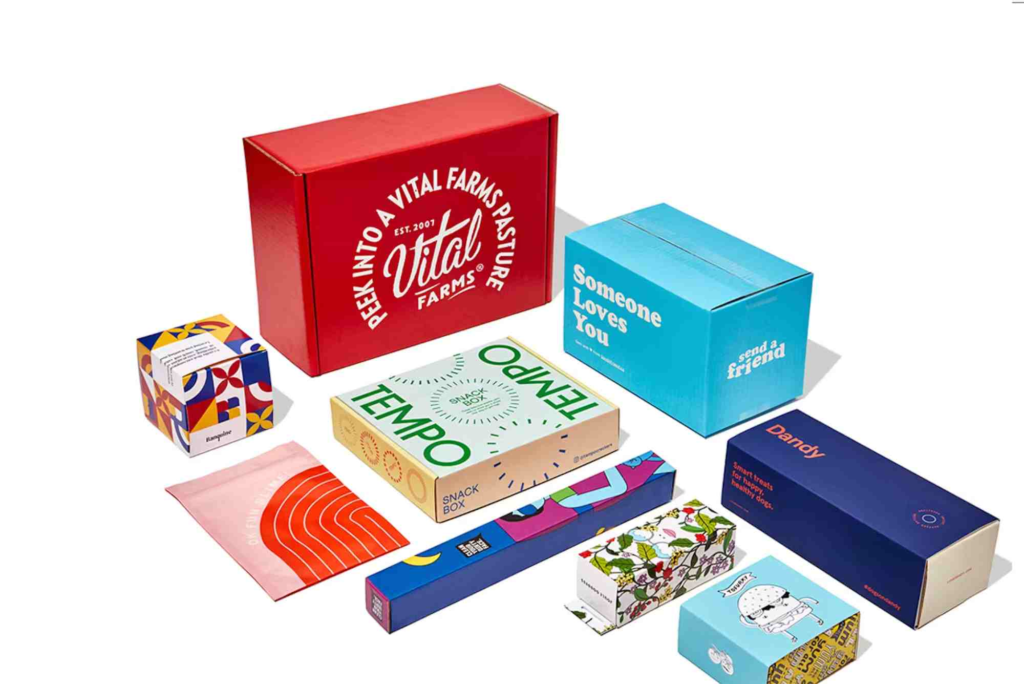
In crowded markets, packaging becomes a differentiator. A strong Packaging Design Strategy helps products stand out without overwhelming customers. Balance is key.
Design must be distinctive but clear. Overcomplicated packaging can confuse buyers and reduce usability. Strategic simplicity often performs better than excessive design elements.
Retail environments also influence strategy. Packaging must perform under different lighting, shelf positions, and digital platforms. Versatility ensures consistent impact across all touchpoints.
Sustainability as a Strategic Design Element
Sustainability is no longer optional. Modern Packaging Design Strategy must address environmental concerns authentically. Consumers increasingly expect brands to reduce waste and use responsible materials.
Eco-friendly packaging builds trust when implemented transparently. Materials, recyclability, and production processes should align with brand claims. Greenwashing damages credibility and brand reputation.
Sustainable design does not mean sacrificing aesthetics. Many brands achieve premium looks using recyclable or biodegradable materials while reinforcing environmental values.
Structural Design and Functionality
Packaging design goes beyond graphics. Structural elements play a critical role in usability and protection. A comprehensive Packaging Design Strategy integrates form and function seamlessly.
Opening experience matters. Easy-to-open designs improve satisfaction and reduce frustration. Resealable packaging adds convenience and extends product life.
Protection during shipping and storage is equally important. Structural integrity reduces damage, returns, and waste. Good design anticipates real-world use scenarios.
The Importance of Customization in Packaging
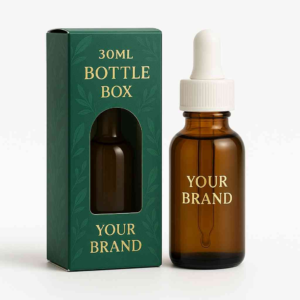
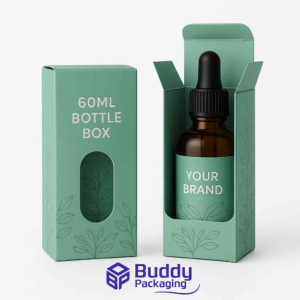
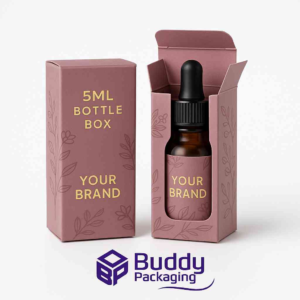
Customization allows brands to create packaging that fits their products precisely. A tailored Packaging Design Strategy supports unique dimensions, Custom Packaging materials, and branding needs.
Customization also supports limited editions and seasonal campaigns. These variations create excitement and encourage repeat purchases without redesigning entire product lines.
Packaging Design Strategy for Digital and E-commerce
E-commerce has reshaped packaging priorities. Packaging must now look good on screens before it reaches hands. A modern Packaging Design Strategy considers both digital and physical experiences.
Unboxing has become a marketing moment. Customers share packaging on social media, extending brand reach organically. Design should encourage this behavior naturally.
Durability matters more in shipping-heavy environments. Packaging must protect products while remaining visually appealing when opened at home.
Learning from Global Packaging Trends
Trends should inform strategy, not dictate it. Blindly following trends risks losing brand identity. Strategic adaptation ensures relevance without compromising authenticity.
Global inspiration also highlights cultural nuances. What works in one market may need adjustment in another, packaging design inspiration reinforcing the importance of research-driven design.
Measuring the Success of Packaging Design Strategy
Effective strategy includes measurement. Brands must evaluate how packaging impacts sales, brand perception, and customer feedback.
Metrics may include shelf performance, conversion rates, and repeat purchases. Qualitative feedback also provides valuable insight into usability and emotional response.
Continuous improvement keeps packaging aligned with changing expectations. Strategy evolves through testing, learning, and refinement.
The Role of Location and Brand Presence
Physical presence influences packaging decisions. Local markets may have specific preferences or regulations. Understanding geography enhances Packaging Design Strategy.
Buddy Packaging Location that resonates locally often performs better and builds stronger community connections.
Common Challenges in Packaging Design Strategy
One common challenge is balancing cost and quality. Strategic planning helps optimize materials and production without sacrificing impact.
Another challenge is internal alignment. Marketing, design, and operations teams must collaborate closely. Clear strategy ensures everyone works toward the same goals.
Regulatory compliance also affects design. Labels, safety requirements, and sustainability standards must be integrated early to avoid costly revisions.
The Future of Packaging Design Strategy
Technology continues to shape packaging innovation. Smart packaging, QR codes, and interactive elements are becoming more common. These features add value when aligned with strategy.
Personalization at scale is also emerging. Data-driven design allows brands to tailor packaging experiences while maintaining efficiency.
The future belongs to brands that view packaging as a strategic asset rather than a final step.
Frequently Asked Questions About Packaging Design Strategy
What is a Packaging Design Strategy?
A Packaging Design Strategy is a planned approach that aligns packaging design with brand goals, customer needs, and market conditions. It goes beyond aesthetics to include function, sustainability, and communication.
Why is Packaging Design Strategy important?
It influences buying decisions, brand recognition, and customer satisfaction. Strategic packaging helps products stand out and builds long-term brand value.
How does packaging affect consumer behavior?
Packaging shapes first impressions and emotional responses. Design elements like color, texture, and structure impact perceived quality and trust.
What role does sustainability play in packaging design?
Sustainability builds credibility and meets consumer expectations. Eco-conscious design choices strengthen brand reputation when applied honestly.
How often should packaging design be updated?
Packaging should evolve as markets change. Regular reviews ensure relevance without disrupting brand recognition.
Turning Strategy into Brand Power
A well-executed Packaging Design Strategy transforms packaging into a powerful brand asset. It connects creativity with purpose, ensuring every design choice serves a clear goal.
Brands that invest in strategy gain consistency, recognition, and customer loyalty. Packaging becomes more than a container; it becomes a brand experience.
If you want packaging that reflects your brand values and drives results, start with strategy. Thoughtful design today builds stronger brands for tomorrow. Take the next step by aligning your packaging decisions with long-term vision and customer insight.