Fmcg Packaging Design plays a decisive role in how everyday products win attention and loyalty. In fast-moving consumer goods, decisions happen in seconds. Packaging must communicate value, quality and trust at a glance. When done well, Fmcg Packaging Design becomes a silent salesperson that works across shelves, screens and supply chains. This article explores how brands can design packaging that performs commercially while meeting sustainability and compliance demands in the UK market.
Understanding the Role of FMCG Packaging Design
Fmcg Packaging Design is not decoration. It is a strategic business tool that connects product, brand and consumer. In crowded retail environments, packaging is often the first and only brand touchpoint. It must work hard to differentiate while remaining consistent across multiple SKUs and formats.
From food and beverages to personal care and household products, FMCG packaging must balance speed with clarity. Consumers expect instant recognition and reassurance. Therefore, designers must understand shopper behaviour, category norms and retail mechanics before any visual decisions are made.
Consumer Psychology and Shelf Behaviour
Shoppers rarely read packaging in detail during the first interaction. They scan for familiar cues such as colours, shape and brand marks. Effective Fmcg Packaging Design uses these signals to guide attention naturally. Contrast, hierarchy and spacing help the eye land on the most important messages quickly.
Trust is another psychological driver. Clean layouts, legible typography and honest imagery signal quality and safety. In categories such as food and health, this trust directly affects purchase intent. When packaging looks confusing or cluttered, shoppers often move on without hesitation.
Brand Identity and Consistency Across Ranges
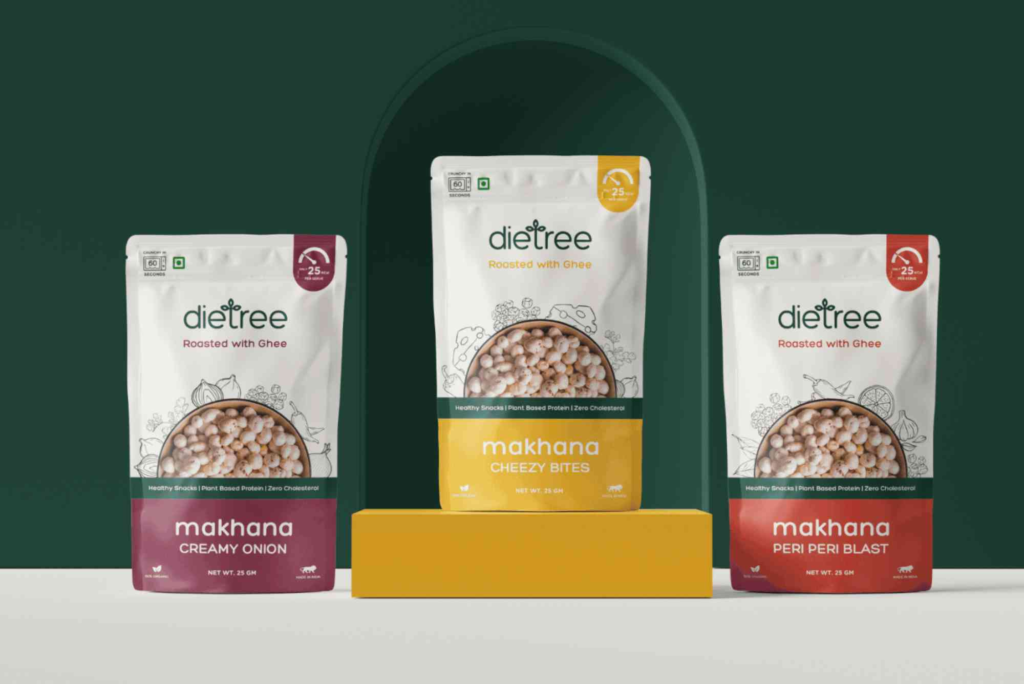
Strong brands use Fmcg Packaging Design to create consistency across their product range. This consistency builds memory structures in the consumer’s mind. When a new variant appears, shoppers recognise it instantly and feel confident trying it.
Consistency does not mean repetition. Successful brands evolve designs subtly to keep them fresh. Changes in colours accents, imagery or finishes allow variety while preserving core brand assets. This balance is crucial in competitive FMCG categories where innovation is constant.
Structural Design and Practical Performance
Beyond visuals, Fmcg Packaging Design must perform physically. Structural choices affect stacking, transportation and shelf efficiency. A well-designed pack reduces damage, saves space and improves handling across the supply chain.
In the UK retail environment, packaging must also suit different store formats. Compact urban stores demand efficient footprints, while larger supermarkets allow more flexibility. Structural innovation, when aligned with branding, can become a powerful differentiator rather than a cost burden.
Materials and Sustainability Expectations
Sustainability is no longer optional in Fmcg Packaging Design. UK consumers increasingly expect brands to reduce waste and improve recyclability. Material choices now influence brand perception as much as visual design.
Designers must understand paper-based solutions, recyclable plastics and emerging compostable materials. However, sustainability should be communicated clearly without overwhelming the pack. Simple, honest messaging builds credibility and avoids accusations of greenwashing.
Print Quality and Finishing Details
Print execution can elevate or undermine even the best design concept. Colours accuracy, sharp typography and consistent finishes are essential for professional FMCG presentation. Subtle finishes such as matt coatings or tactile elements can add perceived value when used thoughtfully.
Brands that invest in understanding production realities gain long-term advantages. Collaboration with printers and suppliers ensures that designs are both creative and achievable. Industry knowledge shared through print & finishing insights helps designers make informed decisions that protect brand integrity.
Regulatory Compliance and Information Design
Fmcg Packaging Design must operate within strict regulatory frameworks. Nutritional panels, ingredient lists and safety information must be accurate and legible. Poor information design can lead to compliance risks and consumer distrust.
The challenge lies in integrating mandatory content without compromising aesthetics. Clear grids, typographic hierarchy and intelligent use of space allow legal information to coexist with branding. When handled well, compliance reinforces transparency rather than detracting from appeal.
Digital Shelf and Omnichannel Considerations
Modern Fmcg Packaging Design must perform beyond physical shelves. Online grocery platforms rely on pack imagery as the primary sales tool. Designs must remain legible at small sizes and across different screen resolutions.
This omnichannel reality demands flexibility. Designers often create packaging with both physical and digital performance in mind. Clear logos, strong contrasts and simplified layouts ensure that products stand out whether viewed in store or on a mobile screen.
Innovation Through Customisation and Limited Editions
Customisation offers FMCG brands a way to create excitement without full redesigns. Seasonal packs, collaborations and limited editions refresh shelf presence while maintaining brand consistency. These initiatives often rely on agile production and thoughtful planning.
Brands exploring Custom Packaging solutions can test new ideas quickly and respond to market trends. When executed strategically, custom runs generate buzz and strengthen emotional connections with consumers.
The Role of Location and Logistics in Packaging Strategy
Packaging decisions are also influenced by operational realities. Proximity to suppliers and distribution hubs affects lead times and costs. Understanding local logistics helps brands optimise packaging formats and materials.
For businesses operating in or around key commercial hubs, awareness of Buddy Packaging Location can support efficient collaboration. Location-aware design decisions often translate into smoother production cycles and more reliable launches.
Measuring the Success of FMCG Packaging Design
The effectiveness of Fmcg Packaging Design should be measured, not assumed. Sales data, shelf tests and consumer feedback provide valuable insights. Even small design tweaks can have measurable impacts on conversion rates.
Continuous improvement is essential in FMCG. Brands that treat packaging as an evolving asset rather than a static output remain competitive. Learning from each iteration builds long-term design intelligence.
Future Trends Shaping FMCG Packaging Design
Looking ahead, Fmcg Packaging Design will continue to evolve with technology and consumer expectations. Smart packaging, enhanced traceability and minimalist aesthetics are gaining momentum. However, the core principle remains unchanged. Packaging must serve the consumer first.
Designers who stay curious and informed will lead this evolution. By combining creativity with commercial understanding, they will create packaging that performs today and adapts tomorrow.
Frequently Asked Questions About FMCG Packaging Design
What is FMCG packaging design and why is it important?
Fmcg Packaging Design refers to the visual and structural creation of packaging for fast-moving consumer goods. It is important because it influences buying decisions, builds brand trust and ensures products stand out in competitive retail environments.
How does packaging design affect consumer buying behaviour?
Packaging design affects perception, recognition and emotional response. Clear and attractive designs help consumers understand products quickly. When packaging feels trustworthy and appealing, it increases the likelihood of purchase.
What materials are best for FMCG packaging in the UK?
The best materials depend on product type and sustainability goals. Paper-based and recyclable materials are increasingly popular in the UK. The key is balancing protection, cost and environmental responsibility.
How often should FMCG brands update their packaging design?
Most FMCG brands review packaging every few years or when market conditions change. Regular updates help maintain relevance without losing brand recognition. Minor refinements are often more effective than complete overhauls.
Can small FMCG brands compete through packaging design?
Yes, small brands can compete by using focused and strategic Fmcg Packaging Design. Clear messaging, strong branding and quality finishes help smaller players stand out alongside established competitors.
Investing in FMCG Packaging Design for Long-Term Growth
Fmcg Packaging Design sits at the intersection of creativity, commerce and consumer trust. It shapes first impressions, supports operational efficiency and reinforces brand values. In the fast-paced FMCG sector, packaging is one of the most powerful tools a brand can invest in.
By approaching packaging strategically and holistically, brands can create lasting impact at scale. If you are looking to refine or reinvent your packaging, now is the time to treat design as a growth driver rather than a cost. Explore expert-led solutions and turn your packaging into a competitive advantage.