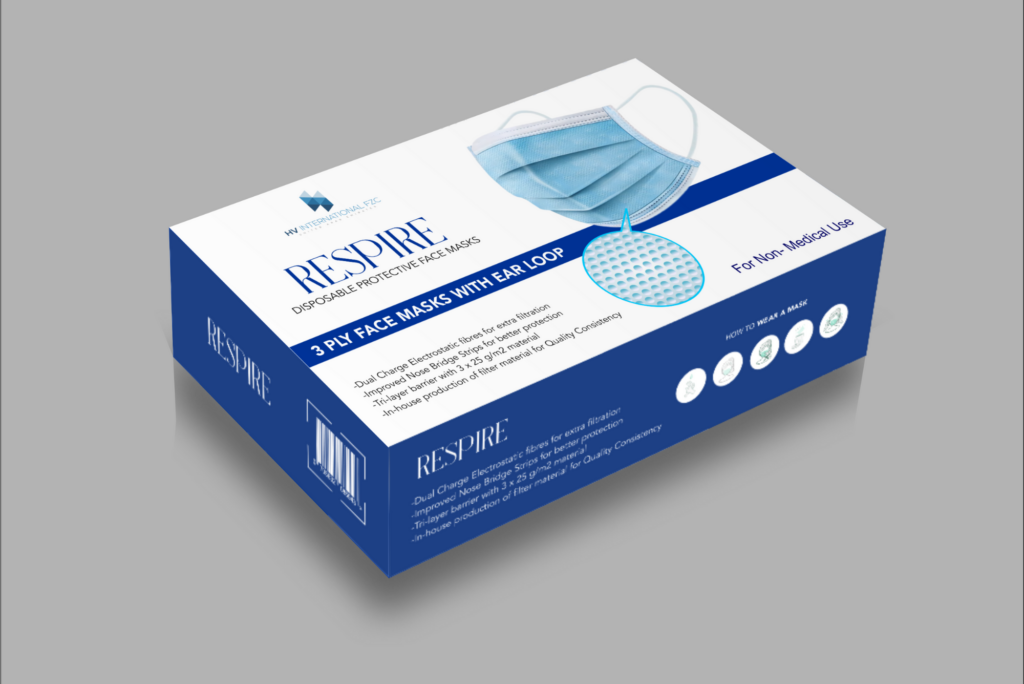
Healthcare Packaging Design: Protecting Patients, Products, and Trust
Healthcare packaging design plays a vital role in modern medicine. It does far more than hold a product. It protects patients, ensures regulatory compliance, and builds confidence in brands. In the UK healthcare market, packaging must balance safety, clarity, sustainability, and usability. When designed well, it directly supports better health outcomes.
As medicines, devices, and supplements grow more complex, the need for thoughtful healthcare packaging design increases. Patients rely on packaging for guidance, safety, and reassurance. Healthcare professionals depend on it for accuracy and efficiency. Regulators expect it to meet strict standards. This article explores how healthcare packaging design meets these demands while supporting innovation and trust.
Why Healthcare Packaging Design Matters
Healthcare packaging design influences how products are stored, handled, and used. Poor design can cause confusion, misuse, or even harm. Well-designed packaging reduces errors and supports patient safety.
Packaging also communicates essential information. Dosage instructions, warnings, and expiry dates must be clear and accessible. In the UK, where patients come from diverse backgrounds, clarity is essential. Design choices must consider literacy levels, visual impairments, and ageing populations.
Beyond safety, healthcare packaging design affects brand perception. Patients often judge quality by packaging appearance. Clean, professional design signals reliability and care. This emotional response matters, especially for long-term treatments.
Regulatory Requirements in Healthcare Packaging
Healthcare packaging design operates within strict legal frameworks. In the UK, regulations come from bodies such as the MHRA and align with EU and global standards. Packaging must protect products from contamination, tampering, and environmental damage.
Designers must ensure labels include legally required information. This includes active ingredients, dosage, batch numbers, and expiry dates. Any missing or unclear detail can lead to compliance issues or recalls.
Tamper-evident features are also essential. They reassure patients that the product is safe to use. Child-resistant packaging adds another layer of protection, especially for medicines used at home. Healthcare packaging design must integrate these features without making products difficult to open for older users.
User-Centred Healthcare Packaging Design
User-centred design is at the heart of effective healthcare packaging design. The goal is to make packaging intuitive and easy to use. This approach reduces errors and improves adherence to treatment.
Patients often interact with packaging daily. Simple opening mechanisms, readable text, and logical layouts make a real difference. For example, blister packs with clear day markings help patients track doses. Colour coding can separate strengths or times of use.
Designers also consider healthcare professionals. Hospital and pharmacy settings demand efficiency. Packaging that stacks well, scans easily, and stores safely supports smoother workflows. In emergencies, clear design saves valuable time.
Materials and Sustainability in Healthcare Packaging
Sustainability is increasingly important in healthcare packaging design. The NHS and private providers aim to reduce waste and carbon impact. However, sustainability must never compromise safety.
Modern healthcare packaging design explores recyclable plastics, paper-based solutions, and reduced material use. Advances in barrier coatings now allow lighter materials to protect sensitive products. Designers must balance environmental goals with durability and sterility.
Reusable packaging systems are also emerging in controlled settings. These solutions require careful design to ensure hygiene and traceability. Sustainable healthcare packaging design reflects both responsibility and innovation.
Branding and Trust in Healthcare Packaging Design
Branding in healthcare packaging design must be subtle yet effective. Overly bold designs can appear untrustworthy. Patients expect calm, professional aesthetics that suggest expertise.
Consistent use of colours, typography, and layout builds recognition. Trust grows when patients can easily identify their medication. Clear branding also helps prevent mix-ups between similar products.
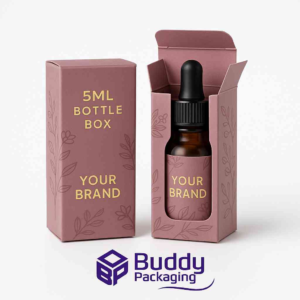
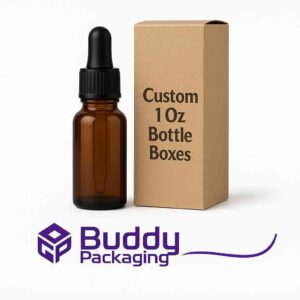
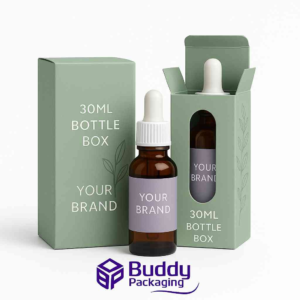
Many healthcare brands now invest in Custom Packaging solutions to meet specific needs. Tailored packaging allows brands to align safety, compliance, and identity in one cohesive design. It also helps differentiate products in competitive pharmacy environments. You can explore specialist options for Custom Packaging at .
Accessibility and Inclusivity in Packaging Design
Healthcare packaging design must serve everyone. Accessibility is no longer optional. It is an ethical and practical necessity.
Designers consider font size, contrast, and language. Clear typography improves readability for older patients. High-contrast colours help those with visual impairments. Braille on packaging supports blind and partially sighted users.
Easy-open features are also part of inclusive healthcare packaging design. Arthritis-friendly closures reduce frustration and pain. The aim is to empower patients, not create barriers to treatment.
Innovation and Technology in Healthcare Packaging
Technology is transforming healthcare packaging design. Smart packaging solutions now support better patient engagement and safety. QR codes link to digital instructions, videos, or reminders. This reduces reliance on printed leaflets.
Connected packaging can track adherence. Sensors can record when a package is opened. This data helps clinicians support patients more effectively. While still emerging, these technologies show great promise.
Designers must integrate technology without overwhelming users. Simplicity remains key. The best healthcare packaging design uses innovation to enhance, not complicate, the patient experience.
Risk Management Through Packaging Design
Healthcare packaging design plays a critical role in risk reduction. Medication errors remain a serious issue. Packaging can either increase or decrease these risks.
Clear differentiation between products is essential. Similar names or colours can cause dangerous confusion. Designers use visual hierarchy to highlight critical information first. Warnings must stand out without causing alarm fatigue.
Packaging also protects products during transport and storage. Temperature-sensitive medicines need insulation and indicators. Robust healthcare packaging design ensures products reach patients in optimal condition.
Collaboration in the Design Process
Effective healthcare packaging design requires collaboration. Designers work with pharmacists, clinicians, regulators, and manufacturers. Each brings valuable insight into real-world use.
Testing is a vital stage. User testing reveals issues that designers may miss. Feedback from patients and professionals leads to better outcomes. Iterative design improves safety and usability.
Staying informed about broader packaging design tips also helps healthcare designers adapt best practices from other sectors. Creative platforms such as offer inspiration that can be refined for healthcare needs.
FAQs
What is healthcare packaging design and why is it important?
Healthcare packaging design focuses on creating packaging that protects medical products and ensures safe use. It is important because it reduces errors, supports compliance, and builds patient trust.
How does healthcare packaging design improve patient safety?
It improves safety by providing clear instructions, tamper evidence, and child-resistant features. Good design reduces confusion and misuse.
What regulations affect healthcare packaging design in the UK?
UK healthcare packaging design must follow MHRA guidelines and international standards. These rules cover labelling, safety features, and material use.
How does sustainability affect healthcare packaging design?
Sustainability encourages reduced material use and recyclable options. Designers must balance environmental goals with strict safety requirements.
Can healthcare packaging design support branding?
Yes, it supports branding through consistent, professional visuals. Trustworthy design helps patients recognise and rely on healthcare brands.
The Future of Healthcare Packaging Design
The future of healthcare packaging design lies in balance. Designers must combine safety, sustainability, and innovation. As patient needs evolve, packaging must adapt with empathy and precision.
Digital integration will continue to grow. Personalised packaging may become more common. However, the core principles will remain unchanged. Clarity, protection, and trust will always define effective healthcare packaging design.
Invest in Better Healthcare Packaging Design
Healthcare packaging design is not just a technical requirement. It is a critical part of patient care. Thoughtful design protects products, guides users, and builds lasting trust.
Brands that invest in high-quality healthcare packaging design demonstrate responsibility and expertise. They reduce risk while improving user experience. In a demanding healthcare environment, design becomes a strategic advantage.
If you are looking to improve your healthcare packaging design, now is the time to act. Work with experienced professionals, prioritise user needs, and embrace innovation responsibly. Better packaging leads to better outcomes for everyone involved.