Packaging Design Plastic Bag: A Complete Guide for Modern Brands
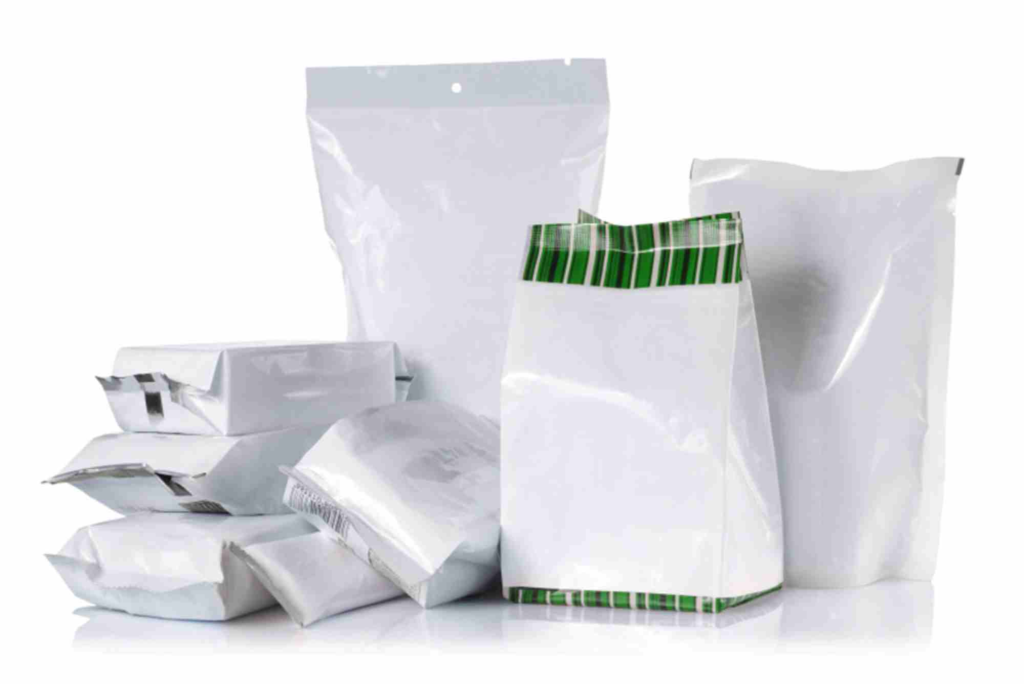
Packaging design plastic bag solutions play a crucial role in how products are presented, protected, and perceived. In today’s competitive UK market, a plastic bag is no longer just a carrier. Instead, it is a branding tool, a marketing asset, and often the first physical interaction a customer has with a business. When designed thoughtfully, it can influence buying decisions, strengthen brand recognition, and even support sustainability goals.
This guide explores packaging design plastic bag concepts in depth. It focuses on design principles, material choices, printing methods, compliance in the UK, and how brands can use plastic bag packaging strategically. Whether you run a retail store, food business, or e-commerce brand, understanding these elements can significantly improve your packaging outcomes.
Understanding Packaging Design Plastic Bag Concepts
Packaging design plastic bag development begins with understanding its purpose. A plastic bag must carry products safely, remain visually appealing, and communicate brand values clearly. In many cases, it must also comply with strict UK regulations on plastic usage and recycling.
Unlike rigid packaging, plastic bags are flexible. This flexibility allows for creative shapes, finishes, and branding techniques. At the same time, it demands careful design planning. Weak design can lead to tearing, poor print quality, or a negative brand impression.
A well-designed packaging design plastic bag balances aesthetics with functionality. It considers size, thickness, handle type, closure, and printing area. Each of these factors affects how customers perceive quality and usability.
Why Packaging Design Matters for Plastic Bags
Packaging design plastic bag solutions matter because they influence customer behaviour. In retail environments, customers often carry branded bags through busy streets or shopping centres. This turns the bag into a moving advertisement.
Good design also builds trust. When a plastic bag feels sturdy and looks professional, customers associate those qualities with the product inside. On the other hand, flimsy or poorly printed bags can harm brand credibility.
Another important reason is differentiation. Many businesses sell similar products. Packaging design plastic bag choices help brands stand out without changing the product itself. Colour, typography, and finishing can create a strong visual identity that customers remember.
Materials Used in Packaging Design Plastic Bag Production
Material selection is a core part of packaging design plastic bag planning. In the UK, the most common materials include low-density polyethylene, high-density polyethylene, biodegradable plastics, and recycled plastics. Each option has advantages and limitations.
Low-density polyethylene offers flexibility and a soft feel. It works well for fashion and gift bags. High-density polyethylene provides strength and a crisp finish. It is often used for grocery or pharmacy bags. Recycled plastics appeal to environmentally conscious consumers and support sustainability messaging.
Biodegradable and compostable plastics are increasingly popular. They align with UK environmental awareness and can enhance brand reputation. However, they require precise design and printing methods to maintain durability. Choosing the right material ensures the packaging design plastic bag performs well while supporting brand values and regulatory compliance.
Sustainability and UK Regulations
Sustainability plays a major role in packaging design plastic bag decisions in the UK. The plastic bag charge and related regulations have changed consumer expectations. Shoppers are now more aware of environmental impact and prefer reusable or eco-friendly options.
Designers must consider thickness and reuse potential. Thicker plastic bags designed for multiple uses often comply better with regulations. Clear recycling symbols and sustainability messages also add value. Brands that invest in thoughtful packaging design plastic bag strategies can reduce waste and improve customer perception. This approach aligns with environmental responsibility while maintaining practicality.
Visual Branding Elements in Plastic Bag Design
Visual identity is central to packaging design plastic bag success. Colour choice should reflect brand personality and remain consistent across all packaging. Typography must be readable even from a distance. Logos should be placed strategically to maximise visibility when the bag is carried.
White space is equally important. Overcrowding a plastic bag with graphics can reduce clarity. Clean layouts often appear more premium and professional. Finishing options such as matte or gloss effects can enhance the overall feel. These details elevate packaging design plastic bag solutions from ordinary to memorable. For businesses seeking tailored solutions, exploring Custom Packaging options can provide greater control over design, size, and branding consistency.
Printing Techniques and Quality Considerations
Printing quality significantly affects packaging design plastic bag results. Common printing methods include flexographic and digital printing. Flexographic printing is cost-effective for large volumes and offers consistent colour reproduction. Digital printing suits shorter runs and allows greater customisation.
Ink choice also matters. High-quality inks resist smudging and fading. This is especially important for bags exposed to sunlight or moisture. Poor printing can undermine even the best design concepts. Understanding print limitations helps designers create realistic layouts. For deeper industry knowledge and print & finishing insights, reliable trade resources can guide decisions on techniques and trends.
Functional Design Features That Matter
Packaging design plastic bag planning goes beyond visuals. Functional features influence user experience directly. Handle type affects comfort and load capacity. Die-cut handles offer a modern look, while loop handles provide strength.
Bag size must match product dimensions closely. Oversized bags waste material and feel impractical. Undersized bags risk tearing and inconvenience. Thickness and seal strength are also essential. A strong base seal prevents breakage. Reinforced handles add durability. These features contribute to a positive customer experience and reflect attention to detail.
Packaging Design Plastic Bag for Different Industries
Different industries require different packaging design plastic bag approaches. Retail fashion brands often focus on elegance and reusability. Food businesses prioritise hygiene, strength, and compliance. Pharmacies need clarity and trust-focused design.
E-commerce brands use plastic bags for protection and branding during delivery. Tear-resistant materials and clear branding help reinforce professionalism. Understanding industry-specific needs allows businesses to tailor packaging design plastic bag solutions effectively. This targeted approach improves functionality and customer satisfaction.
Cost Considerations and Value Perception
Cost is always a factor in packaging design plastic bag projects. However, focusing only on price can be misleading. Low-cost bags may compromise quality and damage brand perception.
Instead, brands should consider value. A slightly higher investment in better materials and printing can lead to longer bag lifespan and greater brand exposure. Reusable bags extend marketing reach beyond the initial purchase. Balancing budget with quality ensures packaging design plastic bag solutions deliver long-term benefits rather than short-term savings.
The Role of Location and Logistics
Packaging design plastic bag production also involves logistics and supplier location. Working with local UK suppliers can reduce lead times and improve communication. It also supports local businesses and may lower environmental impact through reduced transportation.
Understanding where production and distribution occur helps brands manage inventory efficiently. For businesses seeking local support, knowing the Buddy Packaging Location can be helpful when planning consultations or site visits.
How Packaging Design Influences Customer Experience
Customer experience starts before a product is opened. Packaging design plastic bag choices influence first impressions immediately. A well-designed bag creates excitement and anticipation.
When customers reuse branded plastic bags, they reinforce brand recall. This ongoing exposure builds familiarity and trust over time. Thoughtful design shows customers that a brand values quality and detail. In contrast, poorly designed bags can frustrate users and diminish overall satisfaction. Investing in packaging design plastic bag quality is therefore an investment in customer loyalty.
Future Trends in Plastic Bag Packaging Design
Packaging design plastic bag trends continue to evolve. Minimalist designs are gaining popularity due to their clean and premium appearance. Sustainability messaging is becoming more transparent and informative.
Technological advancements in printing allow for sharper graphics and more colour options. QR codes and interactive elements are also emerging, linking physical packaging to digital experiences. Staying aware of these trends helps brands remain competitive and relevant in the UK market.
Common Mistakes to Avoid
One common mistake in packaging design plastic bag projects is overcrowding the design. Too much text or imagery reduces impact. Another issue is ignoring material limitations, which can lead to poor print results.
Failing to consider user comfort is also problematic. Uncomfortable handles or weak seals create negative experiences. Finally, overlooking regulations can result in non-compliance and reputational risk. Avoiding these mistakes requires planning, testing, and working with experienced packaging professionals.
Creating Impact with Packaging Design Plastic Bag Solutions
Packaging design plastic bag strategies have a powerful impact on branding, customer experience, and sustainability. When designed with purpose, a plastic bag becomes more than packaging. It becomes a brand ambassador.
By focusing on material choice, visual identity, printing quality, and functional features, businesses can create packaging that supports growth and recognition. Aligning design decisions with UK regulations and consumer expectations further strengthens brand trust. If you want to elevate your brand presence and create packaging that truly represents your values, now is the time to invest in professional packaging design plastic bag solutions. Thoughtful design today can drive customer loyalty and visibility for years to come.
Frequently Asked Questions
What is packaging design plastic bag used for?
Packaging design plastic bag solutions are used to carry, protect, and promote products. They combine functionality with branding to enhance customer experience.
Are plastic bags still allowed in the UK?
Yes, plastic bags are allowed in the UK. However, they must comply with regulations, including charges and thickness requirements to encourage reuse.
How can plastic bag packaging be made sustainable?
Sustainability can be improved by using recycled materials, biodegradable plastics, and designing bags for reuse. Clear recycling information also helps.
What printing method is best for plastic bags?
Flexographic printing is ideal for large volumes, while digital printing suits smaller runs. The best method depends on budget, quantity, and design complexity.
How does packaging design affect brand perception?
Good packaging design plastic bag choices create positive first impressions, build trust, and increase brand recall. Poor design can have the opposite effect.