Introduction
Packaging design for spices is more than decoration. It protects aroma, builds trust, and drives buying decisions. In crowded retail shelves and online stores, spices often compete within seconds. Smart packaging design for spices helps brands stand out while preserving quality.
As someone who has worked closely with food brands and packaging suppliers, I have seen how small design changes can increase sales. The right material, colours, and structure can transform an ordinary spice into a premium product. This guide explains packaging design for spices from a practical and commercial perspective.
Why Packaging Design For Spices Matters
Packaging design for spices directly affects freshness and shelf life. Spices lose flavor when exposed to air, light, and moisture. Proper packaging materials prevent this loss and protect product integrity.
Brand perception also depends on packaging design for spices. Customers often judge quality before opening the pack. Clean typography, clear labeling, and thoughtful colours communicate trust instantly.
From a business angle, packaging design for spices influences repeat purchases. If packaging is easy to open, reseal, and store, customers remember the brand positively. Good design reduces complaints and returns.
Understanding Consumer Psychology In Spice Packaging
Packaging design for spices must match how people shop. Many customers choose spices quickly, without deep comparison. Visual cues guide their choice.
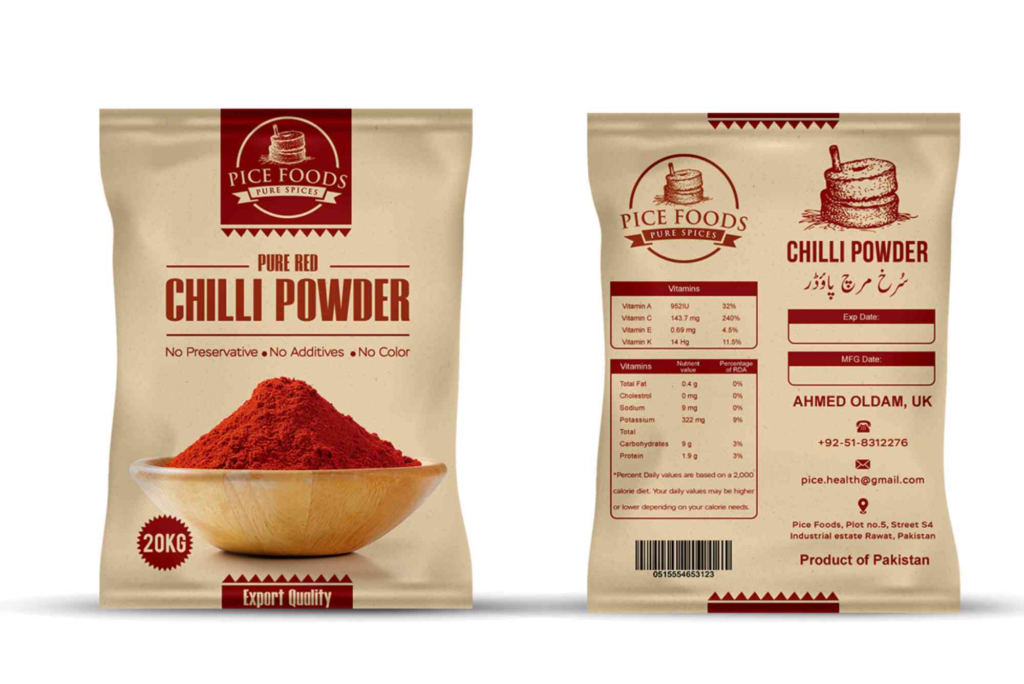
Colour plays a key role in packaging design for spices. Warm tones suggest heat and intensity. Earthy shades imply natural sourcing. Premium brands often use dark backgrounds with gold accents to signal quality.
Typography also affects trust. Simple, readable fonts make information clear. Overdecorated fonts may look attractive but reduce clarity. In spice packaging, clarity always wins.
Materials Used In Packaging Design For Spices
Material selection is a foundation of packaging design for spices. The wrong material can ruin even the best visual design.
Flexible pouches are common because they are lightweight and cost-effective. With proper barriers, they protect spices from moisture and oxygen. Rigid containers like glass jars convey premium value but cost more to ship.
Eco-friendly materials are becoming important in packaging design for spices. Recyclable paper-based boxes and biodegradable films attract conscious buyers. However, sustainability must not compromise protection.
Many brands combine outer boxes with inner sealed pouches. This approach balances presentation and preservation while supporting strong packaging design for spices.
Branding Elements That Define Successful Spice Packaging
Packaging design for spices must reflect brand identity consistently. Logo placement should be clear and visible from a distance. Brand colours should remain consistent across all variants.
Information hierarchy matters in packaging design for spices. Product name, spice type, and usage should be instantly visible. Secondary details like origin and nutritional facts should be easy to find but not distracting.
Storytelling adds value. Sharing sourcing stories or cultural roots builds emotional connection. Customers appreciate authenticity, especially in food products.
Brands that invest in Custom Packaging often achieve stronger shelf impact and brand recall. Thoughtful customisation allows spice brands to align packaging with target markets and price positioning.
Practical Design Considerations For Retail And E-Commerce
Packaging design for spices must work both offline and online. Retail shelves demand bold visibility. E-commerce needs clear product images and readable labels on small screens.
Flat surfaces help photography. Matte finishes reduce glare in online images. Resealable features are important for home use and improve customer satisfaction.
Regulatory compliance is also part of packaging design for spices. Labels must include ingredients, weight, and origin. Ignoring regulations can lead to costly recalls.
Structural design matters too. Packaging should stack easily during shipping and storage. Poor structure increases damage rates and costs.
Cultural And Regional Influence On Spice Packaging
Packaging design for spices often reflects cultural expectations. Traditional patterns appeal to heritage-focused buyers. Modern minimalist designs attract younger audiences.
In international markets, cultural sensitivity is critical. Colours and symbols may have different meanings. Research prevents miscommunication and protects brand reputation.
Language choice also affects packaging design for spices. Clear translations build trust in export markets. Poor translations damage credibility.
Understanding regional cooking habits helps shape packaging sizes. Home cooks and restaurants require different quantities and formats.
Printing And Finishing Techniques That Elevate Design
High-quality printing enhances packaging design for spices. Sharp images and accurate colours reflect professionalism. Poor printing suggests low product quality.
Finishing techniques add tactile appeal. Matte laminations feel premium. Spot UV highlights logos and key text. Embossing adds depth and elegance.
However, over-finishing can increase costs unnecessarily. Effective packaging design for spices balances aesthetics with budget realities.
Designers often follow proven packaging design tips to avoid common mistakes and optimize print results for mass production.
Sustainability Trends In Spice Packaging
Sustainability is shaping modern packaging design for spices. Consumers want reduced plastic and responsible sourcing.
Lightweight materials lower carbon footprint. Minimalist designs reduce ink usage. Refillable containers encourage reuse and brand loyalty.
Transparency matters. Brands that clearly explain sustainability efforts earn trust. Greenwashing damages reputation quickly.
Sustainable packaging design for spices is no longer optional. It is becoming a competitive advantage.
How Packaging Design Impacts Sales Performance
Packaging design for spices influences perceived value. Premium packaging allows higher pricing. Budget designs appeal to price-sensitive markets.
Shelf tests show that redesigned packaging often increases visibility and sales. Even small changes like font size or colour contrast can improve conversion.
Consistency across product lines builds recognition. When customers find one spice easily, they look for the same brand again.
Packaging design for spices is not an expense. It is an investment with measurable returns.
Working With The Right Packaging Partner
Choosing the right supplier affects packaging design for spices success. Experienced partners understand food safety, printing accuracy, and logistics.
Reliable suppliers guide material choices and compliance. They also help optimize costs without sacrificing quality.
Visiting a supplier’s facility or location builds confidence. Knowing the Buddy Packaging Location helps businesses understand logistics support and service reach.
Strong collaboration between brand, designer, and manufacturer ensures smooth execution.
FAQs
What is the best packaging material for spices?
The best material depends on brand positioning and budget. High-barrier pouches and glass jars both work well when properly sealed.
Why is packaging design important for spices?
Packaging design for spices protects freshness, communicates quality, and influences buying decisions at first glance.
How can spice packaging attract more customers?
Clear branding, strong colours, readable fonts, and convenient features attract attention and encourage repeat purchases.
Is eco-friendly spice packaging effective?
Yes, when done correctly. Sustainable packaging design for spices builds trust and meets modern consumer expectations.
Can packaging design increase spice shelf life?
Proper materials and airtight seals in packaging design for spices significantly extend shelf life and preserve aroma.
Invest In Packaging Design For Spices
Packaging design for spices defines how customers perceive your product before tasting it. It protects quality, tells your story, and supports sales growth.
Brands that treat packaging design for spices as a strategic tool outperform competitors. They earn trust, command better pricing, and build loyalty.