Food Packaging Custom Design That Elevates Modern Brands
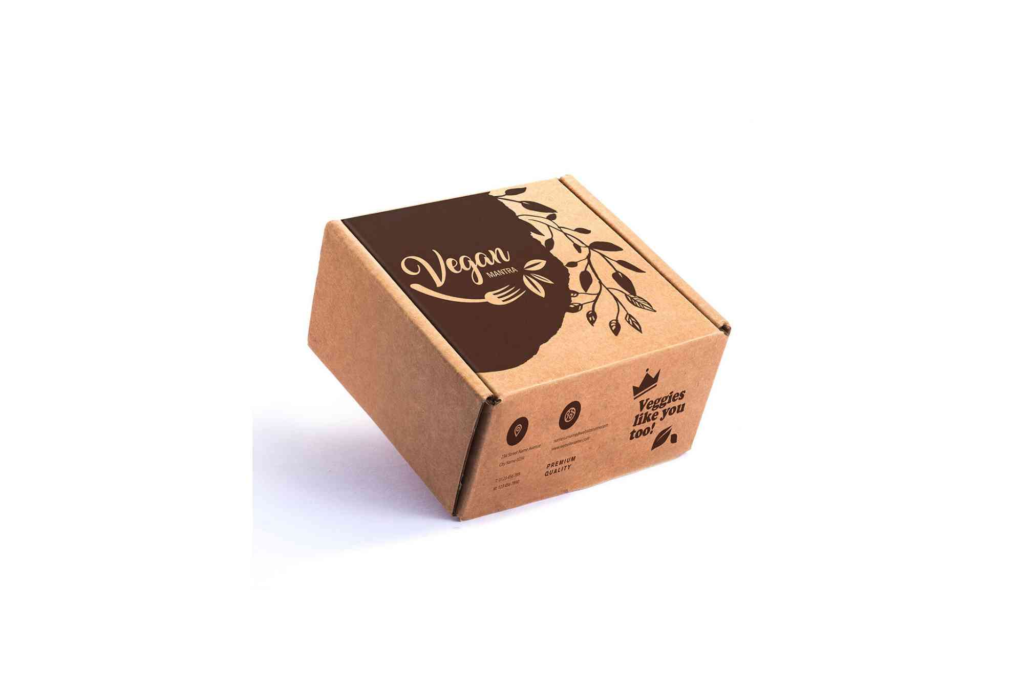
Food packaging custom design has become a defining factor in how consumers perceive food brands. In today’s competitive UK food market, packaging does far more than protect products. It tells a story, builds trust, and influences buying decisions within seconds. From independent bakeries to national food manufacturers, businesses now rely on food packaging custom design to stand out on crowded shelves while meeting strict safety and sustainability standards.
Understanding Food Packaging Custom Design
Food packaging custom design refers to the process of creating tailored packaging solutions that align with a brand’s identity, product requirements, and regulatory obligations. Unlike generic packaging, custom designs consider portion size, shelf life, transport needs, and consumer expectations. In the UK, this approach has become essential due to intense competition and informed buyers.
When done correctly, food packaging custom design combines visual appeal with functionality. It ensures food remains fresh, safe, and attractive while reinforcing brand values. Businesses that invest in custom packaging often see stronger customer loyalty and improved perceived value.
Why Customisation Matters in Food Packaging
Customisation allows brands to communicate directly with their audience. Colours, typography, and textures all shape how a product feels in the customer’s hands. For example, premium finishes suggest quality, while minimal designs often signal health and sustainability. Food packaging custom design also helps brands adapt to niche markets, dietary trends, and seasonal campaigns without compromising consistency.
In practice, many UK food brands use tailored box styles, sleeves, or labels sourced through trusted partners offering Custom Packaging solutions. This flexibility supports product differentiation while maintaining efficiency.
The Role of Branding in Food Packaging Custom Design
Branding is central to food packaging custom design. Packaging is often the first physical interaction between a consumer and a product. That moment shapes trust, expectations, and purchasing behaviour.
Strong branding through packaging relies on clarity and authenticity. Customers should instantly understand what the product is, who it is for, and why it matters. Food packaging custom design ensures that logos, colours, and messaging remain consistent across product lines, reinforcing recognition.
Visual Identity and Consumer Psychology
Design choices influence emotions. Warm colours often stimulate appetite, while cool tones suggest freshness. Fonts convey personality, from traditional to modern. Food packaging custom design uses these principles carefully to match brand positioning.
In the UK market, consumers increasingly value transparency. Packaging that clearly displays ingredients, origin, and nutritional information builds credibility. Custom design allows brands to present this information clearly without clutter, improving both compliance and user experience.
Materials Used in Food Packaging Custom Design
Material selection is a critical element of food packaging custom design. The right material protects the product while supporting branding and sustainability goals. Common options include cardboard, corrugated board, paperboard, flexible films, and biodegradable alternatives.
Each material serves a specific purpose. Dry foods often use lightweight boxes, while frozen or fresh items require moisture resistance. Food packaging custom design balances protection with presentation, ensuring the product arrives in perfect condition.
Sustainability and Eco-Conscious Choices
Sustainability is no longer optional in the UK food sector. Consumers actively seek brands that reduce environmental impact. Food packaging custom design now prioritises recyclable, compostable, and responsibly sourced materials.
Brands adopting sustainable packaging often highlight these efforts directly on the pack. This approach strengthens trust and aligns with evolving regulations. Designers must ensure eco-friendly materials still meet food safety standards, which requires technical expertise and testing.
Compliance and Safety in Food Packaging Custom Design
Food packaging custom design must comply with UK and EU food safety regulations. Packaging materials must be food-grade, non-toxic, and suitable for direct or indirect contact with food. Failure to meet these standards can damage brand reputation and lead to legal consequences.
Custom packaging allows brands to integrate mandatory information seamlessly. This includes allergen warnings, expiry dates, storage instructions, and manufacturer details. Clear layout and legible text are essential.
Navigating UK Food Packaging Regulations
UK regulations require accurate labelling and traceability. Food packaging custom design helps brands manage these requirements efficiently. Designers work closely with manufacturers to ensure inks, coatings, and adhesives are safe for food use.
Keeping up with regulatory changes is challenging. Many businesses rely on industry resources and print specialists for print & finishing insights that ensure compliance without compromising design quality.
Printing and Finishing Techniques
Printing quality significantly affects the success of food packaging custom design. High-resolution printing ensures colours remain consistent and text remains readable. Finishing techniques add tactile appeal and durability.
Options such as matte lamination, gloss finishes, embossing, and foil stamping can elevate packaging. However, these must be chosen carefully to avoid interfering with recyclability or increasing costs unnecessarily.
Balancing Cost and Quality
Food packaging custom design requires a balance between visual impact and budget. Small businesses often start with simple designs that scale over time. Larger brands may invest in advanced finishes to reinforce premium positioning.
Working with experienced packaging suppliers helps brands select printing methods that deliver quality without waste. This practical approach supports long-term sustainability and profitability.
Innovation in Food Packaging Custom Design
Innovation drives the future of food packaging custom design. Smart packaging, QR codes, and interactive elements are becoming more common. These features enhance transparency and engagement without overcrowding the design.
In the UK, many brands use QR codes to share sourcing stories, recipes, or recycling instructions. Custom design ensures these elements integrate naturally into the overall aesthetic.
Adapting to Changing Consumer Behaviour
Consumer habits change rapidly. Food packaging custom design allows brands to respond quickly to trends such as plant-based diets, portion control, and convenience. Flexible packaging formats and modular designs support faster product launches.
This adaptability is especially valuable for growing brands competing with established names. Custom packaging creates a professional image that builds confidence among retailers and consumers alike.
Local Expertise and Supply Chain Considerations
Working with local packaging providers offers several advantages. Faster turnaround times, easier communication, and better quality control all contribute to successful food packaging custom design.
Many UK food brands prefer suppliers with accessible facilities and clear logistics. Knowing the Buddy Packaging Location helps businesses coordinate production and deliveries efficiently while supporting local industry.
The Commercial Impact of Food Packaging Custom Design
Investing in food packaging custom design delivers measurable returns. Attractive packaging increases shelf appeal, improves brand recall, and supports premium pricing. It also reduces damage during transport, lowering waste and costs.
Retailers often favour products with professional packaging. Custom design demonstrates commitment to quality and compliance, making it easier to secure listings and partnerships.
Building Long-Term Brand Equity
Consistent food packaging custom design builds brand equity over time. Customers begin to recognise and trust familiar packaging, leading to repeat purchases. This trust becomes a competitive advantage in saturated markets.
Brands that regularly review and refine their packaging stay relevant. Small updates in colour, messaging, or material can refresh perception without losing identity.
Invest in Food Packaging Custom Design That Works
Food packaging custom design is no longer a luxury. It is a strategic necessity for food brands operating in the UK. From branding and sustainability to compliance and innovation, custom packaging supports every stage of a product’s journey.
Businesses that approach packaging with care and expertise gain a powerful marketing tool that protects products and builds lasting relationships with customers. Whether launching a new product or refreshing an existing range, investing in thoughtful food packaging custom design delivers long-term value.
Frequently Asked Questions
What is food packaging custom design and why is it important?
Food packaging custom design involves creating tailored packaging that reflects a brand’s identity and meets product needs. It is important because it enhances brand recognition, protects food, and influences buying decisions.
How does custom food packaging affect consumer trust?
Custom food packaging builds trust by presenting clear information, consistent branding, and professional quality. Customers associate well-designed packaging with product safety and reliability.
Is sustainable food packaging possible with custom designs?
Yes, sustainable food packaging is a key part of modern food packaging custom design. Many materials are recyclable or compostable while still allowing creative branding and compliance.
How much does food packaging custom design typically cost?
Costs vary depending on materials, printing methods, and order volume. Custom designs can be scaled to suit small businesses or large manufacturers, making them accessible at different budgets.
What regulations apply to food packaging custom design in the UK?
UK food packaging must comply with food contact material regulations and labelling laws. Custom design helps integrate required information clearly and accurately.