Introduction
A packaging design illustrator plays a critical role in how products look, feel, and sell. Great packaging is not only visual decoration. It is a strategic tool that communicates value, trust, and brand identity at first glance.
In today’s crowded marketplaces, packaging design illustrator skills are more important than ever. From retail shelves to eCommerce deliveries, packaging often creates the first real connection between a brand and its customer. This article explores what a packaging design illustrator does, why the role matters, and how professional illustration improves packaging performance.
What Is a Packaging Design Illustrator?
A packaging design illustrator is a creative professional who combines illustration, branding, and structural awareness. Their goal is to design artwork that fits perfectly on packaging formats while supporting marketing goals.
Unlike general graphic designers, packaging design illustrators think in three dimensions. They understand folds, dielines, materials, and printing limits. Their illustrations must remain clear and impactful when wrapped around boxes, bottles, or flexible packaging.
Why Packaging Illustration Matters for Brands
Packaging is often the final marketing message before purchase. A skilled packaging design illustrator ensures that message is clear, appealing, and consistent.
Illustration helps brands stand out on shelves. It adds personality and emotional value. Hand-drawn or custom illustrations feel more authentic than stock visuals. This emotional connection can influence buying decisions within seconds.
Well-illustrated packaging also builds brand recall. Customers remember visuals faster than text. Strong illustration helps a product stay recognizable across markets and platforms.
The Role of Illustrator in Packaging Design
A packaging design illustrator works closely with brand managers, printers, and packaging suppliers. The process begins with understanding the product, audience, and positioning.
Illustrators create visual concepts that align with brand tone. Premium brands may require minimal, elegant illustrations. Playful brands often use bold colours and expressive characters.
A professional packaging design illustrator also adapts artwork for different packaging sizes. Consistency across variations is essential. One design may appear on small boxes, large cartons, and shipping materials.
Skills Every Packaging Design Illustrator Needs
Strong illustration skills are essential, but technical knowledge matters just as much. A packaging design illustrator must understand printing methods, colour profiles, and material behavior.
Vector illustration skills ensure scalability without quality loss. Knowledge of CMYK colour systems prevents unexpected colour shifts. Understanding bleed, trim, and safe zones avoids printing errors.
Real-world experience also matters. Illustrators who have worked with printers know how designs behave after production. This experience reduces costly mistakes and delays.
Packaging Design Illustrator vs Graphic Designer
Many people confuse these roles, but there is a clear difference. A graphic designer often focuses on flat visuals like posters or digital assets. A packaging design illustrator designs for physical interaction.
Packaging must be readable from multiple angles. It must survive shipping and handling. Illustration must align perfectly across folds and edges. These challenges require specialized expertise.
A packaging design illustrator bridges creativity with practicality. Their work must look good on screen and in hand.
How Illustration Improves Custom Packaging
Custom packaging benefits greatly from illustration. Unique artwork differentiates a brand from competitors using templates or generic designs.
Illustration allows storytelling. A packaging design illustrator can visually explain product origins, ingredients, or values. This storytelling builds trust and emotional engagement.
Brands investing in Custom Packaging often see higher customer retention and social media engagement. Unique packaging encourages sharing and unboxing experiences. You can explore professional solutions for Custom Packaging here.
Packaging Design Illustrator and Brand Identity
Brand identity is more than logos and colours. Illustration style plays a major role. A consistent illustration approach strengthens brand recognition.
A packaging design illustrator develops a visual language that aligns with brand values. This may include line style, shading methods, or character design.
Consistency across product lines is critical. Customers should recognize the brand instantly, even without reading the name. Illustration supports this visual consistency.
Industry Knowledge and E-E-A-T in Packaging Design
Experience matters in packaging design. A packaging design illustrator with industry knowledge understands regulations, labeling rules, and market trends.
Food packaging requires clarity and trust. Cosmetic packaging demands elegance and compliance. Children’s products need safety and appeal.
Demonstrating expertise builds credibility. Brands trust illustrators who understand both design and business needs. This real-world experience aligns with Google’s E-E-A-T principles.
Tools Used by Packaging Design Illustrators
Most packaging design illustrators rely on professional software like Adobe Illustrator. Vector-based tools allow precise control over shapes and colours.
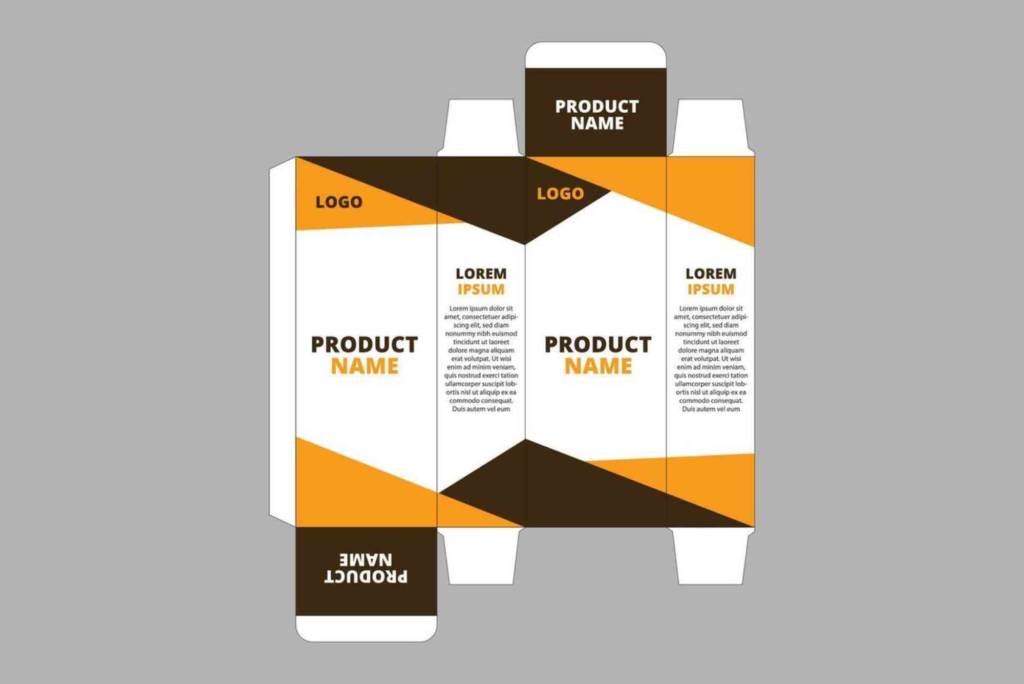
Illustrators often work with dieline templates provided by packaging suppliers. These templates guide placement and proportions.
Some illustrators also sketch by hand before digitizing artwork. This hybrid approach adds personality and originality to designs.
Common Mistakes in Packaging Illustration
One common mistake is ignoring packaging structure. Illustration may look great flat but fail when folded.
Another issue is overloading the design. Too many elements reduce clarity. A skilled packaging design illustrator knows when to simplify.
Poor colour management is also risky. Colours on screen differ from printed results. Experienced illustrators test and adjust designs accordingly.
Packaging Design Illustrator and Printing Collaboration
Collaboration with printers is essential. A packaging design illustrator often reviews proofs and adjusts artwork for production.
Different materials absorb ink differently. Cardboard, kraft paper, and coated stock all behave uniquely.
Professional illustrators anticipate these issues. They design artwork that remains clear and vibrant after printing.
Trends in Packaging Illustration
Current trends favor authenticity and storytelling. Hand-drawn illustrations are popular across food, beverage, and lifestyle brands.
Sustainable packaging has also influenced illustration styles. Natural textures and earthy colours communicate eco-friendly values.
Minimalist illustration remains strong for premium products. Clean lines and limited palettes suggest quality and sophistication.
Learning Packaging Design Illustration
Aspiring illustrators should study real packaging examples. Understanding how designs translate from screen to shelf is essential.
Practicing with dielines builds practical skills. Studying printing processes reduces technical errors.
Following professional packaging design tips from trusted design platforms helps illustrators stay current. You can find expert insights here.
Choosing the Right Packaging Design Illustrator
Brands should look for illustrators with packaging-specific portfolios. Experience with similar industries is a strong advantage.
Clear communication is essential. A good packaging design illustrator explains design choices and adapts to feedback.
Understanding timelines and production constraints also matters. Professional illustrators respect deadlines and budgets.
Local Expertise and Packaging Design
Working with a locally experienced illustrator can improve collaboration. Local knowledge helps with suppliers, printers, and regulations.
Brands working in the UK often benefit from designers familiar with regional packaging standards. Knowing production locations also helps logistics planning.
If you want to explore a trusted packaging provider’s location, visit Buddy Packaging Location here.
How Packaging Illustration Impacts Sales
Packaging illustration influences perception. Attractive packaging increases perceived value.
Illustrated packaging often performs better in retail environments. It attracts attention and communicates benefits quickly.
In eCommerce, packaging supports brand loyalty. Customers remember the unboxing experience and return for repeat purchases.
Future of Packaging Design Illustration
The role of packaging design illustrator will continue to grow. Brands seek differentiation in saturated markets.
Digital printing allows more customisation. Illustrators can create limited editions and seasonal designs.
Sustainability will also shape illustration choices. Designers will focus on clarity, minimal ink use, and recyclable materials.
FAQs
What does a packaging design illustrator do?
A packaging design illustrator creates custom artwork for product packaging. They design visuals that fit packaging structures and support branding goals.
How is packaging illustration different from logo design?
Packaging illustration focuses on full-package visuals. It considers folds, materials, and printing, unlike logo design.
Do I need an illustrator for packaging design?
If you want unique, brand-focused packaging, a packaging design illustrator adds value. Illustration improves recognition and appeal.
What software do packaging design illustrators use?
Most use Adobe Illustrator for vector artwork. Some combine hand-drawn sketches with digital tools.
How much does a packaging design illustrator cost?
Costs vary by experience and project scope. Custom packaging illustration is an investment in brand differentiation.
A packaging design illustrator transforms packaging into a powerful brand asset. Their expertise blends creativity, strategy, and technical knowledge.