Introduction
Food packaging plays a critical role in how customers perceive a product before they ever taste it. In a competitive market, attractive and well-structured packaging can influence buying decisions within seconds. This is where food packaging design templates become an essential tool for food brands of all sizes. From startups to established businesses, templates help streamline the design process while maintaining professional standards.
Food Packaging Design Templates
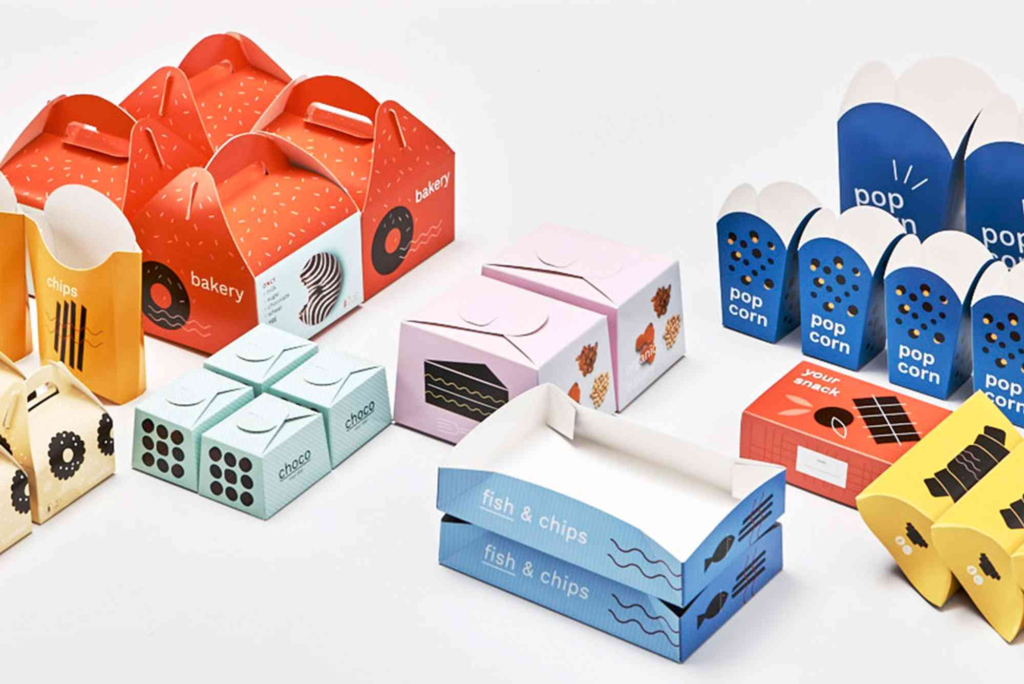
Food packaging design templates are pre-designed layouts that serve as a foundation for creating food packaging visuals. These templates typically include layouts for boxes, labels, pouches, cartons, and wrappers. They allow brands to focus on content and branding rather than starting from a blank canvas.
Using food packaging design templates saves time and reduces costs. More importantly, templates help ensure visual consistency across product lines. When used correctly, they create packaging that looks custom-made rather than generic. The key lies in thoughtful customisation and strategic design choices.
Understanding Food Packaging Design Templates
Food packaging design templates provide structure, spacing, and visual hierarchy for packaging designs. They often include editable text areas, image placeholders, colour schemes, and typography suggestions. Some templates also contain technical elements such as bleed areas and fold lines.
These templates are widely used by small food businesses that want professional packaging without hiring a full design team. However, even experienced designers use templates to speed up production and maintain consistency across multiple products.
Why Food Packaging Design Templates Matter
Packaging is often the first physical interaction a customer has with a brand. A well-designed package communicates quality, safety, and reliability instantly.
Food packaging design templates help brands achieve this by offering professionally planned layouts. These layouts are built with consumer psychology in mind. They guide the eye, highlight essential information, and ensure the product looks appealing on shelves or online. Templates also reduce the risk of design errors. Proper spacing, readability, and balance are already considered, making it easier to produce packaging that meets both aesthetic and functional requirements.
Time and Cost Efficiency
Designing packaging from scratch requires time, expertise, and resources. Food packaging design templates eliminate much of this effort. Brands can launch products faster while keeping costs under control.
For businesses managing multiple flavours or variations, templates allow quick adjustments without redesigning everything. This efficiency is especially valuable in competitive food markets.
Choosing the Right Food Packaging Design Template
Not all food packaging design templates are suitable for every product. Choosing the right one requires understanding your product, audience, and brand identity. The first consideration is the type of food product. Dry goods, frozen foods, liquids, and snacks all require different packaging structures. A template designed for a box may not work for a pouch or jar.
The second consideration is brand personality. A luxury product requires a refined, minimal design, while a family-friendly snack might need bright colours and playful elements. The template should reflect the tone of your brand. Finally, practicality matters. The template must fit the physical dimensions of your packaging and allow space for mandatory food information.
Customising Food Packaging Design Templates
Customisation is what transforms a template into a unique brand asset. Using a template exactly as provided can result in packaging that looks generic or forgettable. Effective customisation starts with colour selection. Colours should align with brand identity and product type. Natural foods often benefit from earthy tones, while indulgent treats may use richer hues.
Typography is equally important. Fonts must be legible at small sizes and suitable for food packaging. Avoid overcrowding the design with multiple typefaces. Imagery should support the product message. High-quality product photos or illustrations can communicate freshness, flavour, and quality more effectively than text.
Maintaining Brand Consistency
Consistency builds trust. When customers recognise packaging instantly, it strengthens brand recall.
Food packaging design templates make consistency easier by providing a unified structure. By using the same template across product ranges, brands create a cohesive look while allowing variation through colour or imagery. Consistency should extend beyond visuals. Tone of voice, messaging style, and information placement should remain uniform across packaging.
Legal and Informational Requirements
Food packaging is regulated. Templates must accommodate essential information such as ingredients, nutritional values, allergens, storage instructions, and expiry details.
When selecting or customising food packaging design templates, ensure there is sufficient space for this information. Text must remain readable, even after printing. Failure to include required information can lead to compliance issues and damage brand credibility.
Material and Print Considerations
Design does not exist independently from materials. Packaging materials influence how colours appear and how designs are perceived.
Templates should be adapted with printing methods in mind. What looks good on screen may appear different when printed. Testing and prototyping help identify issues early. Sustainable packaging materials are increasingly popular. Templates can be adjusted to highlight eco-friendly values through design choices such as muted colours or natural textures.
Design Trends in Food Packaging
Modern food packaging design reflects changing consumer expectations. Simplicity, transparency, and authenticity are increasingly important. Minimalist designs allow key information to stand out. Clean layouts with clear hierarchy improve readability and shelf impact.
Bold typography helps products stand out from a distance. Large text communicates flavour or benefits quickly. Illustrations and hand-drawn elements add personality and authenticity. These elements work particularly well for artisanal or organic food brands.
Using Templates for Different Food Categories
Different food categories benefit from different design approaches. Snacks often use energetic designs that attract attention. Health foods usually rely on calm, trustworthy visuals. Gourmet products lean toward elegant and understated packaging.
Food packaging design templates allow brands to adapt these approaches efficiently. With the right template, designers can align packaging with consumer expectations for each category.
Workflow for Using Food Packaging Design Templates
A clear workflow ensures better results. Begin by defining your packaging goals. Understand what message the packaging should convey and who the target audience is.
Next, choose a template that matches your product type and brand tone. Customise visuals carefully, keeping readability and balance in mind. Always review the design for accuracy and compliance. Before printing in bulk, create a prototype to check colour, layout, and material compatibility.
Common Mistakes to Avoid
One common mistake is overloading packaging with information. Templates help organise content, but restraint is still necessary. Focus on what matters most to the customer.
Another mistake is ignoring print limitations. Colours, gradients, and fine details may not translate well to certain materials. Lastly, avoid copying competitors too closely. Templates should support originality, not dilute it.
The Role of Experience and Expertise
Professional packaging design is a blend of creativity and practical knowledge. Experienced designers understand how consumers interact with packaging and how designs perform in real environments.
Using food packaging design template packaging design tips does not replace expertise. Instead, templates amplify it by providing a strong foundation that professionals can refine. Even without a design background, business owners can achieve strong results by understanding basic principles and applying them thoughtfully.
Food packaging design templates are powerful tools for creating professional, appealing packaging without unnecessary complexity. When chosen carefully and customised effectively, they support branding, improve efficiency, and enhance customer trust.
Successful packaging balances visual appeal, clarity, and Custom Packaging functionality. Templates provide the structure, but thoughtful design choices bring packaging to life. If you want your food products to stand out, start by exploring well-designed templates and adapting them to reflect your brand’s story. Invest time in refinement, testing, and consistency. Strong packaging is not just a design choice; it is a business Buddy Packaging Location strategy.
Frequently Asked Questions
What are food packaging design templates
Food packaging design templates are pre-designed layouts used to create packaging for food products. They include visual structure and editable elements.
Are food packaging design templates suitable for small businesses
Yes, templates are ideal for small businesses because they reduce costs and simplify the design process while maintaining a professional appearance.
Can food packaging design templates be customised
Templates are fully customisable. Colours, fonts, images, and text can be changed to match brand identity and product needs.
Do templates work for all types of food packaging
Templates work for most food products, but highly specialised packaging may require custom design adjustments.
Why are food packaging design templates important for branding
They ensure consistency, improve visual appeal, and help communicate brand values clearly to consumers.