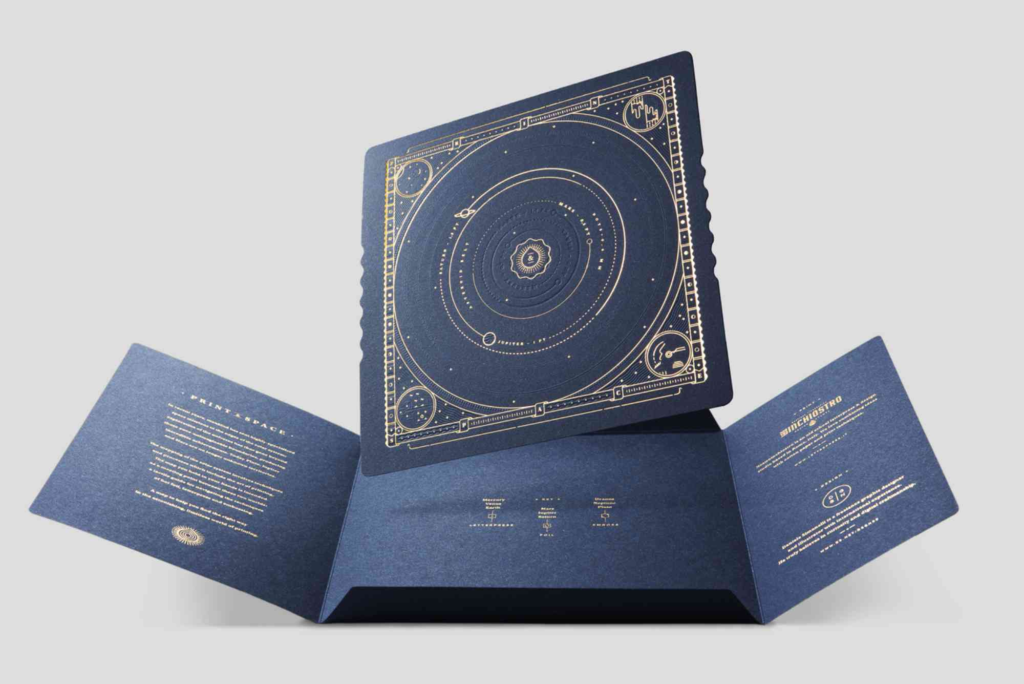
Embossed Packaging Design: Elevating Brands Through Texture and Detail
Embossed packaging design has become a defining feature of premium branding in today’s competitive market. From luxury cosmetics to artisan food products, brands increasingly rely on tactile packaging to stand out. When customers pick up a box and feel raised details under their fingers, it creates an immediate emotional connection. That sensory experience builds trust, signals quality, and encourages repeat purchases.
In this article, we explore embossed packaging design in depth. You will learn what it is, why it matters, how it works, and when to use it. We will also cover costs, sustainability, trends, and common questions people ask online. The goal is to give you clear, practical insight from a branding and packaging perspective, written in straightforward UK English.
What Is Embossed Packaging Design?
Embossed packaging design is a printing and finishing technique that raises specific elements of a package surface. These raised areas may include logos, brand names, patterns, or decorative accents. The effect is achieved by pressing material between engraved metal dies, creating depth without using ink alone.
Unlike flat printing, embossing adds a physical dimension. This makes packaging more engaging and memorable. Many brands pair embossing with foil stamping or spot UV to enhance contrast and visibility. However, embossing can also work beautifully on its own, especially on kraft or matte boards.
Why Embossed Packaging Design Matters for Branding
Embossed packaging design plays a strategic role in brand perception. Consumers often judge a product before opening it. Texture influences that judgement more than many realise. A raised logo communicates care, craftsmanship, and attention to detail.
For premium and mid-range brands alike, embossing signals value. It suggests that the brand invests in quality beyond the product itself. This is especially important in retail environments where customers compare multiple options side by side.
Moreover, embossing supports brand recognition. A distinctive embossed mark becomes part of the brand’s visual identity. Over time, customers associate that tactile experience with trust and reliability.
How Embossed Packaging Design Works
The embossing process involves precision tools and skilled setup. First, a design is prepared with embossing in mind. Not all artwork works well for embossing. Clean lines and strong shapes produce the best results.
A metal die is then created. This die presses the chosen design into the packaging material under controlled pressure. The result is a raised impression that holds its shape.
Material choice matters greatly. Thicker boards hold embossing better than thin stocks. Soft-touch laminates and uncoated papers often deliver the most elegant results. The process can be applied to boxes, sleeves, labels, and even rigid packaging.
Types of Embossed Packaging Design Effects
There are several approaches to embossed packaging design, each offering a different visual impact. Single-level embossing raises elements to one consistent height. This is the most common and cost-effective option.
Multi-level embossing creates varied depths within the same design. This adds complexity and a sculpted look. It works well for intricate logos or illustrative details.
Debossing is another related technique. Instead of raising the design, it presses it inward. Some brands combine embossing and debossing to create contrast and texture.
When to Use Embossed Packaging Design
Embossed packaging design works best when the brand story supports it. Luxury, heritage, and craft-focused brands benefit most. However, it is not limited to high-end products.
Subscription boxes often use embossing to enhance the unboxing experience. Gift packaging also benefits, as texture adds perceived value without overwhelming the design.
It is important to use embossing selectively. Overuse can clutter the surface and reduce impact. Strategic placement, such as on a logo or seal, delivers the strongest effect.
Embossed Packaging Design and Consumer Psychology
Touch is a powerful sense in consumer behaviour. Studies show that tactile interaction increases perceived ownership and emotional attachment. Embossed packaging design leverages this principle effectively.
When customers feel raised details, they subconsciously associate the product with durability and quality. This can influence purchasing decisions, especially in physical retail spaces.
Even in e-commerce, embossing matters. Customers may not feel the packaging before purchase, but they remember it after delivery. That memory influences reviews, social sharing, and brand loyalty.
Cost Considerations and Value Return
One common question is whether embossed packaging design is expensive. The answer depends on scale, complexity, and materials. Initial setup costs, such as die creation, are higher than standard printing.
However, per-unit costs decrease with volume. For brands ordering in bulk, embossing becomes more economical. More importantly, the perceived value often outweighs the added cost.
Brands that use embossing strategically often justify higher price points. In many cases, improved shelf appeal and customer retention deliver a strong return on investment.
Sustainability and Embossed Packaging Design
Sustainability is a growing concern in packaging decisions. The good news is that embossed packaging design can align with eco-friendly goals.
Embossing does not require additional inks or coatings. When used on recyclable or biodegradable materials, it remains environmentally responsible. Many brands choose embossing specifically because it adds impact without plastic embellishments.
Using responsibly sourced paperboard and minimal finishes ensures that embossed packaging stays aligned with modern sustainability standards.
Embossed Packaging Design Trends in the UK Market
In the UK, packaging trends favour understated elegance. Minimal designs with subtle embossing are increasingly popular. Brands prefer tone-on-tone effects that feel refined rather than flashy.
Another growing trend is combining embossing with natural textures. Kraft boards, recycled stocks, and soft-touch finishes pair well with raised details.
Typography-led embossing is also gaining traction. Embossed brand names or taglines add sophistication without relying on complex graphics.
Common Mistakes to Avoid
One frequent mistake is embossing artwork not designed for it. Fine lines and small text may lose clarity when raised. Always test samples before full production.
Another issue is poor alignment. Embossing must line up precisely with printed elements. Experienced packaging suppliers reduce this risk significantly.
Finally, avoid embossing purely for decoration. Embossed packaging design should support the brand story and user experience, not distract from it.
Choosing the Right Packaging Partner
Successful embossed packaging design depends on collaboration. Working with experienced packaging specialists ensures the design translates well into production.
If you are exploring premium solutions, consider providers offering Custom Packaging options that include embossing expertise. You can explore tailored box solutions at to understand how structure and finish work together.
It is also wise to research broader packaging design tips from established creative resources such as . These insights help refine your design approach before production begins.
FAQs
What is the difference between embossing and debossing?
Embossing raises the design above the surface, while debossing presses it inward. Both add texture but create different visual effects.
Is embossed packaging design suitable for all products?
It suits most products, but works best for brands seeking a premium or distinctive feel. Budget products may not always benefit from the added cost.
Does embossing affect recyclability?
Embossing alone does not reduce recyclability. It remains eco-friendly when used on recyclable materials without plastic coatings.
Can embossed packaging design be combined with foil or UV?
Yes, many brands combine embossing with foil stamping or spot UV to enhance contrast and luxury appeal.
How long does embossing add to production time?
Embossing adds some setup time, especially for die creation. However, once prepared, production timelines remain manageable.
Is Embossed Packaging Design Right for Your Brand?
Embossed packaging design is more than a visual upgrade. It is a strategic branding tool that engages customers through touch and perception. When applied thoughtfully, it enhances brand credibility, increases perceived value, and strengthens emotional connections.
For brands aiming to stand out in crowded markets, embossing offers a subtle yet powerful advantage. Whether you are launching a new product or refreshing an existing line, consider how texture can elevate your packaging.
If you are ready to explore premium packaging solutions, now is the time to consult experienced professionals. Invest in design that customers can see, feel, and remember. Your packaging is often the first handshake with your audience. Make it count.