Introduction
Business card box design plays a critical role in how a brand is perceived. A business card is often the first physical touchpoint between a company and a potential client. If the box that holds those cards feels premium, thoughtful, and aligned with the brand, it instantly builds trust. In competitive markets, presentation matters as much as the card itself. A well-crafted business card box design protects cards, organizes them efficiently, and communicates professionalism without saying a word.
Modern brands no longer treat packaging as an afterthought. They use packaging as a silent marketing tool. Business card boxes are no exception. From startups to established corporations, companies invest in packaging that reflects their identity and values. This article explores business card box design in depth, covering materials, structure, branding, printing, sustainability, and practical use.
Why Business Card Box Design Matters
Business card box design influences first impressions in subtle but powerful ways. When someone receives a card from a sleek, sturdy box, it signals quality. It shows attention to detail. It also suggests that the brand values presentation and consistency.
Cards stored in poor packaging often bend or fade. This damages brand perception. A thoughtfully designed box protects cards from dust, moisture, and wear. It also keeps them organized for meetings, trade shows, and office use.
Business card box design also supports brand recall. Colours, textures, and finishes reinforce visual identity. When packaging aligns with branding, it creates a cohesive experience across all touchpoints.
Understanding the Purpose of a Business Card Box
A business card box serves both functional and promotional purposes. Functionally, it stores and protects cards. It keeps them clean and easy to access. Promotional value comes from design, printing, and branding elements.
Many businesses use boxes during events and client meetings. A strong business card box design can make a brand stand out among dozens of competitors. In retail or corporate gifting, the box becomes part of the product experience.
Experienced packaging professionals often recommend matching box style with usage. Office storage boxes differ from presentation boxes. Trade show boxes require durability and portability. Understanding purpose helps define the right design approach.
Materials Used in Business Card Box Design
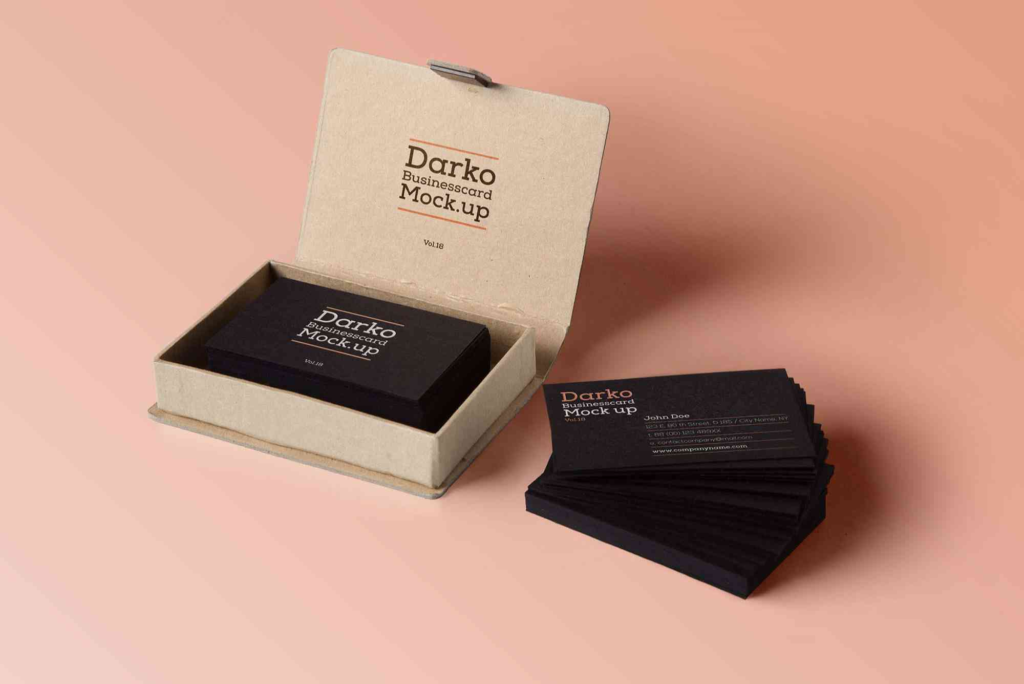
Material choice defines durability, appearance, and cost. Cardboard and paperboard are the most common options. They offer flexibility in printing and finishing. Rigid boxes provide a premium feel and superior protection.
Kraft material is popular for eco-conscious brands. It delivers a natural look while remaining sturdy. Plastic boxes offer transparency and moisture resistance, but they lack the warmth of paper-based options.
High-end business card box design often uses rigid stock with wrapped paper. This allows advanced finishes like embossing and foil stamping. Choosing the right material ensures balance between protection, aesthetics, and budget.
Structural Styles in Business Card Box Design
Structure affects usability and perception. Common styles include tuck-end boxes, slide drawers, magnetic closure boxes, and flip-top designs. Each style serves a different purpose.
Slide drawer boxes feel premium and are ideal for presentations. Magnetic closure boxes add luxury and durability. Tuck-end boxes are cost-effective and practical for bulk use.
A well-engineered business card box design considers ease of access. Cards should slide out smoothly without bending. Structural strength ensures the box maintains shape over time.
Branding Elements in Business Card Box Design
Branding transforms a simple box into a marketing asset. Logos, brand colours, and typography should align with existing brand guidelines. Consistency is key to building recognition.
Printing techniques allow for precise colour matching. Matte and gloss finishes change how colours appear. Texture also plays a role in perceived quality.
Subtle branding often works best. Minimal designs feel modern and confident. Overcrowding a box with text can reduce impact. Experienced designers focus on clarity and balance.
Businesses working with professional packaging suppliers often explore Custom Boxes to achieve precise branding and structural needs. Custom solutions allow brands to control every detail, from dimensions to finishes.
Printing Techniques That Elevate Business Card Box Design
Printing quality directly impacts perceived value. Offset printing delivers sharp details and consistent colours. Digital printing suits short runs and quick turnarounds.
Special finishes enhance tactile appeal. Foil stamping adds shine and elegance. Embossing creates raised textures that invite touch. Spot UV highlights specific areas for contrast.
When applied thoughtfully, these techniques elevate business card box design without overwhelming it. The goal is refinement, not excess.
Colour Psychology in Business Card Box Design
Colour influences emotions and decisions. Blue conveys trust and reliability. Black suggests luxury and authority. White feels clean and modern. Earth tones reflect sustainability and authenticity.
Choosing the right colour palette supports brand messaging. Consistency with business cards and other materials strengthens identity. Designers often test colour combinations under different lighting to ensure accuracy.
Colour choice should also consider printing limitations. box design inspiration Some shades appear differently on various materials. Professional packaging experience helps avoid mismatches.
Sustainability and Eco-Friendly Business Card Box Design
Sustainability is no longer optional for many brands. Eco-friendly business card box design uses recyclable or biodegradable materials. Minimal ink coverage reduces environmental impact.
Kraft paper and soy-based inks are popular choices. Reusable boxes extend lifecycle and reduce waste. Communicating sustainability through design builds trust with eco-conscious audiences.
Brands that align packaging with environmental values often see stronger customer loyalty. Sustainable choices reflect responsibility and forward thinking.
Dimensions and Fit in Business Card Box Design
Accurate sizing is critical. A box that is too tight damages cards. A loose box feels cheap. Standard business cards usually measure 3.5 x 2 inches, but thickness varies.
Designers account for card stock weight and quantity. Internal dimensions should allow easy removal while preventing movement. Precision ensures a professional feel.
Custom sizing also allows room for inserts or promotional materials. This adds value without complicating design.
Business Card Box Design for Different Industries
Different industries require different design approaches. Corporate brands favor clean, minimal styles. Creative agencies explore bold colours and unique structures. Luxury brands invest in premium materials and finishes.
Real estate and finance prioritize trust and professionalism. Tech startups lean toward modern and innovative designs. Understanding industry expectations ensures relevance.
Cost Considerations in Business Card Box Design
Cost depends on materials, printing, finishes, and order volume. Rigid boxes cost more than folding cartons. Special finishes increase unit price.
Smart design balances budget with impact. Sometimes a simple structure with excellent printing outperforms an expensive box with poor design.
Bulk production reduces per-unit cost. Early planning helps avoid last-minute changes that increase expenses.
Common Mistakes in Business Card Box Design
Many brands overlook usability. Boxes that look good but function poorly frustrate users. Weak materials reduce lifespan. Inconsistent branding confuses audiences.
Another mistake is ignoring target audience preferences. Design should reflect customer expectations, not personal taste.
Professional guidance and prototyping help identify issues before production. Testing ensures durability and usability.
The Role of Packaging Suppliers in Business Card Box Design
Experienced suppliers offer valuable insights. They understand material behavior, printing limitations, and cost optimization. Collaboration improves outcomes.
Working with trusted partners like Buddy Packaging ensures quality and consistency. Visiting the Buddy Packaging Location at helps brands understand production capabilities and options.
Suppliers also assist with compliance and sustainability standards. Their expertise reduces risk and waste.
How Business Card Box Design Supports Marketing Strategy
Packaging extends marketing beyond digital channels. A business card box travels with the brand. It appears in offices, meetings, and events.
Consistent design reinforces brand identity. Memorable packaging encourages word-of-mouth. Clients often keep well-designed boxes, increasing exposure.
When packaging aligns with marketing goals, it becomes a long-term asset rather than a cost.
Future Trends in Business Card Box Design
Trends evolve with branding and sustainability. Minimalism remains strong. Textured materials and soft-touch finishes gain popularity.
Smart packaging concepts emerge slowly in this category. QR codes inside boxes link to digital profiles. This blends physical and digital branding.
Customisation and short-run printing allow rapid adaptation. Brands can refresh designs without large inventories.
FAQs
What is the best material for business card box design
The best material depends on usage and budget. Cardboard suits most needs, while rigid boxes offer premium protection.
How many business cards fit in a standard box
Most boxes hold between 50 and 200 cards, depending on thickness and design.
Can business card boxes be fully customised
Yes, custom sizing, materials, printing, and finishes are widely available through professional packaging suppliers.
Are eco-friendly business card boxes durable
Eco-friendly materials like kraft paper are durable and suitable for long-term use when designed correctly.
Why is packaging important for business cards
Packaging protects cards, enhances presentation, and strengthens brand perception during first impressions.
Business card box design is more than packaging. It is a branding tool that communicates professionalism, care, and identity. From material selection to printing techniques, every detail shapes perception. Thoughtful design protects cards and elevates brand presence across every interaction.