Ecommerce Packaging Design: A Complete Guide to Building Memorable Unboxing Experiences
Ecommerce packaging design has become one of the strongest branding tools for online businesses. As competition grows, customers expect more than just a product delivered to their door. They want an experience that feels personal, thoughtful, and consistent with your brand. This shift in expectations has transformed packaging from a basic protective layer into a vital part of the customer journey. When done well, ecommerce packaging design can improve brand recall, increase repeat purchases, and even turn customers into ambassadors who share their unboxing moments online. With the rise of social platforms and customer-generated content, your packaging is often the first physical touchpoint between your brand and the buyer, making it essential to get it right.
The Importance of Effective Ecommerce Packaging Design
Good ecommerce packaging design does far more than protect products during transit. It establishes a connection between your brand and the customer at a moment when emotions are high. After waiting for a parcel, the unboxing experience can leave a strong impression. This is where thoughtful design, branding, and structural choices work together. If the packaging looks consistent, easy to open, and visually appealing, the customer immediately senses professionalism and quality. That emotional impact is something digital marketing alone cannot replicate.
Many online businesses now treat packaging as a part of their identity. Whether through colour schemes, typography, or unique structural designs, packaging reinforces the personality of your brand. Some businesses work with dedicated specialists or order solutions through services such as Custom Packaging, which helps streamline branding and functionality. Alongside visual appeal, modern packaging must also focus on sustainability. Today’s customers prefer eco-friendly materials, minimal waste, and recyclable packaging. This not only boosts customer satisfaction but also aligns your brand with responsible practices that consumers value.
Key Elements of Successful Ecommerce Packaging Design
The foundation of excellent ecommerce packaging design rests on balancing creativity, practicality, and cost-efficiency. Every component, including the outer box, internal padding, inserts, and the aesthetic elements, must work harmoniously. The most successful brands ensure that their design supports both function and brand storytelling.
Colour consistency is one of the simplest yet most powerful aspects of ecommerce packaging design. When your packaging mirrors your brand palette, customers instantly recognise it. Typography, logo placement, and custom messaging also help create a cohesive identity. Structural design is equally important. A box that is difficult to open can frustrate customers and affect their perception of your brand. Conversely, easy-open designs that still secure the product enhance the experience while keeping damage risks low. Expert guidance can be helpful for businesses new to packaging design. Platforms that provide packaging design tips often show examples of what works and why, helping brands make informed decisions that lead to more engaging packaging experiences.
Balancing Aesthetics with Practical Needs in Ecommerce Packaging Design
Beautiful packaging that cannot handle shipping conditions will only lead to losses and poor reviews. Therefore, ecommerce packaging design must consider material strength and cushioning. Corrugated cardboard remains one of the most reliable choices because of its durability and customisability. Internal components such as tissue paper, moulded pulp, or custom inserts secure the product and reduce movement during transit.
At the same time, packaging must be cost-effective. Oversized or overly complex designs can increase shipping costs. Brands often work with providers who offer scalable solutions, ensuring packaging remains affordable even as order volumes grow. Sustainable materials have become more accessible in recent years, making eco-friendly packaging a practical option for businesses of all sizes.
The Role of Unboxing in Ecommerce Packaging Design
The unboxing moment has evolved into a marketing opportunity. Customers often record or photograph the process, sharing their experiences on social media. This behaviour makes ecommerce packaging design crucial for building brand visibility. When the outer packaging is clean and the inner layout is visually appealing, it elevates the unboxing experience. Simple touches like a thank-you card, custom colours, or tissue wraps add emotional value.
A memorable unboxing experience can convert one-time customers into loyal advocates. It is not necessary to use extravagant materials; instead, it is about thoughtful choices that reflect your brand identity. Many small businesses achieve impactful unboxing experiences through consistent design, personalised messages, or recyclable customised inserts.
How Ecommerce Packaging Design Influences Customer Loyalty
Customers associate well-designed packaging with professionalism, attention to detail, and care. When a parcel arrives safely, looks appealing, and feels thoughtfully arranged, the customer develops trust in the brand. If the packaging aligns with their values—especially sustainability—they are more likely to buy again.
Studies have shown that positive unboxing experiences increase repeat purchasing behaviour. This means ecommerce packaging design is not just an operational element; it is a strategic investment in customer retention. Brands that prioritise design often see higher satisfaction scores and better long-term relationships with buyers.
Sustainability in Modern Ecommerce Packaging Design
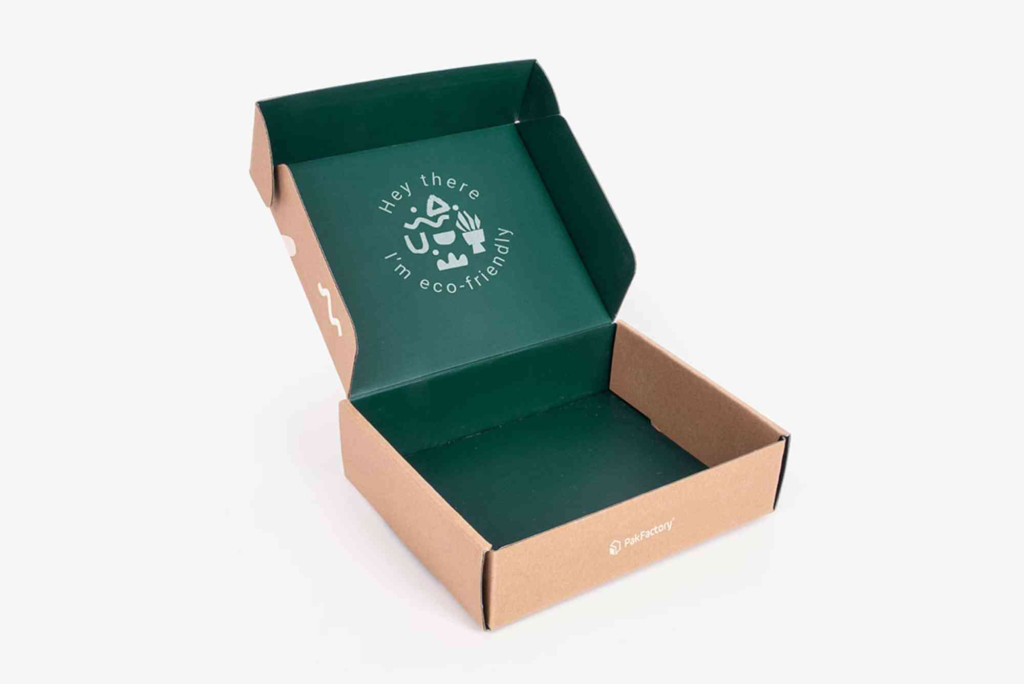
As awareness of environmental impact grows, sustainable ecommerce packaging design has become essential. Customers look for recyclable, biodegradable, and minimal-waste materials. Brands that reduce plastic use and avoid unnecessary secondary packaging often gain a competitive advantage. Eco-friendly solutions are not only better for the planet but also align with consumer expectations.
Many companies choose materials like compostable wrappers, recycled cardboard, or plant-based inks. Clear communication also matters. If you are using eco-friendly materials, stating this clearly on your packaging reassures customers that they are supporting a responsible brand.
Personalisation and Branding Opportunities in Ecommerce Packaging Design
Personalisation adds emotional value to the customer experience. Even small details like printing the customer’s name or including a personalised message enhance the sense of connection. Advances in digital printing now make customisation more accessible than ever. Brands can produce personalised batches of packaging without excessive costs.
Strategically placed branding elements ensure repeat visibility. Logos, patterns, taglines, and even QR codes can enrich the customer journey. For businesses looking for custom solutions, services such as Custom Packaging offer tailored designs that combine branding and practicality.
How to Improve Ecommerce Packaging Design with Professional Insights
Even experienced businesses benefit from professional guidance. Packaging design involves structural engineering, branding, logistics, and user psychology. External resources can help provide a clearer direction. Sites that offer packaging design tips show real examples and breakdowns of effective practices, helping brands refine their approach.
Businesses that prefer hands-on collaboration can visit real-world locations such as Buddy Packaging Location to explore materials and discuss solutions in person. This helps ensure the packaging matches the product’s needs while staying on brand.
Common Challenges in Ecommerce Packaging Design and How to Solve Them
One of the biggest challenges is balancing cost with design quality. Custom finishes, heavy materials, or oversized packaging increase expenses. The solution is choosing targeted design elements that make a strong impact without unnecessary add-ons. Another challenge is preventing damage during transit, especially for fragile products. This can be resolved with tailored inserts and sturdy materials.
Environmental concerns are also increasingly important. Businesses must avoid unnecessary waste and look to reduce plastic use. Offering recyclable or biodegradable packaging meets consumer expectations while protecting your brand reputation.
Future Trends Shaping Ecommerce Packaging Design
The future of ecommerce packaging design is moving towards smarter, more interactive solutions. QR codes and augmented-reality elements enhance customer engagement. Eco-friendly innovations like mushroom foam, water-based inks, and fully compostable materials are becoming more mainstream. Brands are also exploring minimalistic packaging that reduces costs and waste while keeping the unboxing experience elegant.
AI-driven design tools are helping businesses test structural designs more efficiently. These tools simulate shipping conditions, reducing prototyping time and costs. As technology evolves, ecommerce packaging design will continue to merge creativity, sustainability, and advanced customisation techniques.
Elevate Your Brand with Smarter Ecommerce Packaging Design
Ecommerce packaging design is a powerful tool for shaping customer perceptions and building long-term loyalty. When you combine creative branding, practical materials, and sustainability, your packaging becomes more than a container. It becomes an experience. Businesses that invest in thoughtful design differentiate themselves from competitors and create memorable customer journeys. Now is the perfect time to reassess your packaging strategy and ensure it reflects your brand’s personality, values, and commitment to quality. If you are ready to elevate your packaging, explore advanced solutions and gain professional support to transform your customer experience.
FAQs
What is ecommerce packaging design and why is it important?
Ecommerce packaging design refers to the creative and structural design of packages used to ship online orders. It is important because it protects the product, enhances brand identity, and improves the customer’s unboxing experience.
How do I choose materials for ecommerce packaging?
Select materials based on your product’s fragility, weight, shipping distance, and sustainability goals. Recyclable cardboard is a popular choice due to its strength and eco-friendly nature.
How can I make my ecommerce packaging sustainable?
Use recyclable materials, reduce unnecessary packaging layers, use biodegradable fillers, and clearly communicate your sustainability efforts to customers.
Does ecommerce packaging design affect customer loyalty?
Yes. A well-designed package enhances the unboxing experience, builds trust, and encourages repeat purchases.
What makes unboxing experiences so important?
Unboxing engages emotions. It shapes first impressions and often leads to social media sharing, boosting your brand visibility.