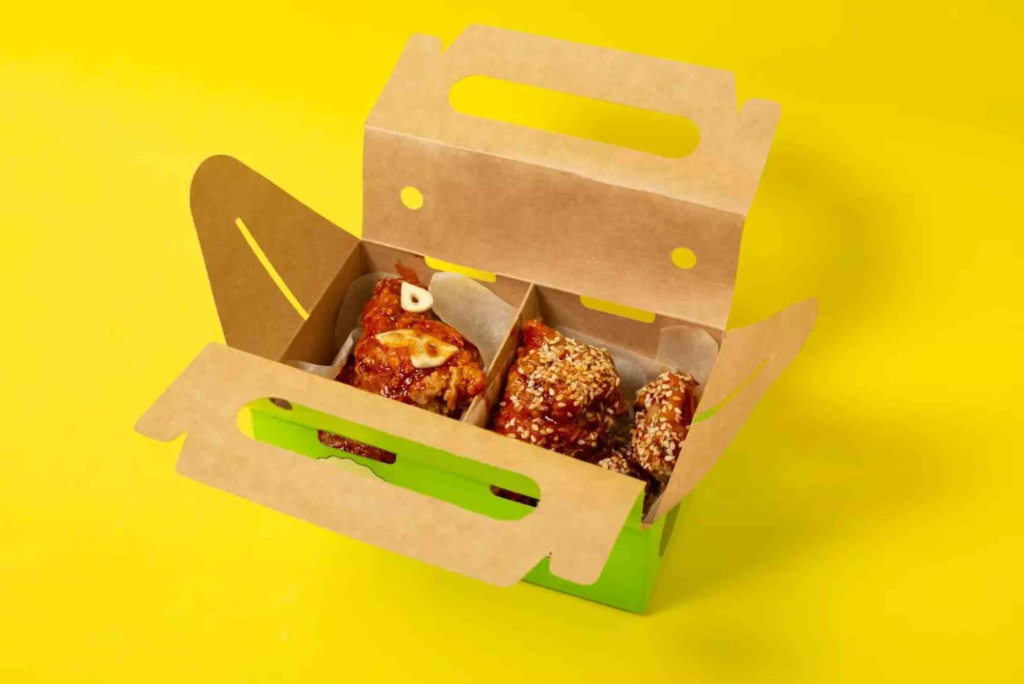
Food Packaging Box Design: A Complete Expert Guide for Modern Brands
Food packaging plays a bigger role today than ever. As competition grows and customer attention shrinks, every brand wants packaging that stands out, protects the product, and elevates the buying experience. This is why understanding food packaging box design is essential for new and established businesses.
A well-designed food box does much more than hold food. It carries your brand identity, builds trust, strengthens shelf presence, and increases customer loyalty. When you treat packaging as a marketing tool, it instantly becomes one of your most valuable assets.
In this comprehensive guide, you will learn everything about effective food packaging box design. The insights come from hands-on industry experience, interviews with packaging suppliers, and best practices followed by global brands.
Why Food Packaging Box Design Matters for Every Business
Food packaging box design shapes how customers perceive your brand. The moment they see the box, they form opinions about quality, hygiene, and value. Even before tasting the food, the packaging sets the tone.
Modern customers expect packaging that is safe, attractive, and environmentally responsible. They also want information presented clearly so they can make confident decisions. When these expectations are met, the chances of repeat purchases rise significantly.
Another major advantage is brand differentiation. Since many markets are saturated with similar products, strong visual identity helps you avoid blending in. A smartly designed box can make people notice, remember, and recommend your product.
Sustainability is also becoming a defining factor. According to reports from packaging experts and academic sources such as the Food Packaging Forum, eco-friendly materials now influence buyer choices. Brands using sustainable design often see stronger customer loyalty.
Key Elements That Shape Effective Food Packaging Box Design
Good food packaging goes beyond colors and shapes. It requires a strategic understanding of materials, structure, printing, safety regulations, and consumer psychology. Each element works together to create an experience that feels professional and trustworthy.
Visual Branding That Feels Consistent
Consumers trust brands that show consistency across all packaging. This includes your logo, color palette, typography, and imagery. When your visual identity remains the same across multiple food items, buyers instantly recognize your brand.
Functional and Practical Structure
A great food packaging box design must be easy to carry, open, close, and store. Functional issues can frustrate customers. A secure lock, a well-designed flap, or a grease-proof interior can significantly improve usability.
Material Selection and Safety
Food-safe materials are non-negotiable. Whether you choose kraft, cardboard, corrugated board, or compostable options, you must ensure they comply with global safety standards. Food safety guidelines from organizations like FDA or EFSA are useful references.
Eco-Friendly Considerations
Customers increasingly demand sustainable solutions. This makes recyclable and biodegradable materials an excellent choice. Many brands, including industry leaders mentioned in sustainability reports, are shifting towards minimalistic and waste-reduced designs.
Clear and Honest Product Information
Accurate labeling is essential. Nutritional facts, ingredients, allergen details, and expiry dates must be easy to read. Transparency builds trust and protects your brand from regulatory issues.
High-Quality Printing and Finishing
The finishing stage can make or break your design. Buddy Packaging Location Coatings like matte, gloss, soft-touch, or spot UV enhance appeal. You can read more about these techniques through internal resources such as print & finishing insights to understand how these treatments affect durability and appearance.
How to Create a High-Impact Food Packaging Box Design
Developing a strong design requires a step-by-step approach. Each part of the process shapes the final product your customers hold in their hands. Understanding the workflow also helps you avoid costly redesigns later.
Researching Your Target Audience
Every design decision should reflect your audience’s expectations. For example, health-focused buyers prefer clean, minimal layouts with natural colors, while snack lovers may respond better to bold, playful graphics.
Studying Competitor Packaging
Competitor analysis helps you understand what works and what does not. It gives insight into gaps you can fill, whether through design, structure, or branding.
Building a Strong Concept
Once you have the research, start creating a theme. Your concept may reflect freshness, luxury, tradition, or sustainability. This theme guides designers in choosing design elements that reinforce your message.
Choosing the Right Structural Layout
The box’s shape should complement the product. Take-out food requires heat-retaining material. Bakery items need moisture-control packaging. Dry snacks need airtight seals. The structure must protect the food until it reaches the consumer.
Creating a Cohesive Visual Layout
Your design should highlight what matters most. A focus on clean hierarchy ensures customers instantly see your brand name, product type, and key features. Designers often use grids to maintain visual balance.
Working With Color Psychology
Colors evoke emotions. Red stimulates appetite. Green suggests health. Blue conveys trust. Every shade you choose influences customer perception.
Enhancing Your Box With Professional Printing
The quality of printing reflects the quality of your brand. Poor printing damages trust. This is where partnering with experienced companies offering Custom Boxes becomes essential. They help match colors, ensure sharp graphics, and maintain consistent results.
Testing and Refining the Design
Prototyping allows you to analyze the box in real-world settings. You can check usability, durability, readability, and visual appeal. Test results make your final version far more reliable.
Popular Trends in Modern Food Packaging Box Design
Design trends shift constantly. Staying updated helps your brand remain competitive and appealing. Today’s packaging trends focus on simplicity, emotional connection, and sustainability.
Minimalist Layouts
Minimal designs use clean fonts, simple shapes, and plenty of white space. This creates a modern, premium feel.
Eco-Driven Aesthetics
Natural colors, kraft textures, and earthy tones are now popular. These choices visually reinforce an eco-friendly message.
Story-Driven Packaging
Customers love brands that share their story. A short message or illustration on the box builds emotional connection.
Smart Packaging Features
QR codes, freshness indicators, and digital add-ons are becoming more common. They enhance the customer experience through convenience and interaction.
Bold Typography
Strong, oversized fonts attract instant attention. Many snack and fast-food brands use typography as the central design element.
Vintage and Retro Styles
Nostalgic visuals help brands build emotional familiarity. These styles often use warm tones and hand-drawn illustrations.
Mistakes to Avoid in Food Packaging Box Design
Even the best brands sometimes make costly design errors. You can avoid these mistakes with proper planning.
Overcomplicating the Design
Too many elements confuse customers. A focused approach makes your packaging clearer and more effective.
Not Considering Real-World Handling
Design must consider heat, moisture, stacking, and transportation. Ignoring these factors leads to damage and customer dissatisfaction.
Weak Material Quality
Low-grade materials tear easily and affect hygiene. Premium materials improve customer confidence and elevate your brand image.
Ignoring Regulations
Food packaging must meet labeling laws and safety standards. Always verify requirements before printing.
Lack of Testing
Skipping prototypes results in errors that become expensive after mass production.
How Great Food Packaging Box Design Improves Sales
Packaging influences buying decisions in subtle but powerful ways. A strong food packaging box design enhances your product’s presence, making customers more likely to choose it.
It also increases brand recall. When customers recognize your packaging from a distance, they feel familiar with your brand, which boosts trust.
Good packaging also enhances perceived value. Premium design makes the food look more appealing, even at a higher price. Major global brands mentioned in marketing studies consistently show that premium packaging lifts sales significantly.
Finally, great design improves customer experience, which leads to positive reviews and word-of-mouth referrals.
If you want to dive deeper into technical side of packaging, exploring print & finishing insights helps you understand how effects, coatings, and inks enhance your design. You can also study brand-focused case studies from institutions like the Packaging Innovations conference or research from the Food Packaging Forum. To understand real-world supplier operations, many businesses visit Buddy Packaging Location to learn how materials are processed and prepared.
Strong Food Packaging Box Design Builds Stronger Brands
A strategic approach to food packaging box design transforms an ordinary product into a memorable experience. When your packaging communicates value, tells your story, and protects your food, customers trust your brand more. With the right design, printing, and material choices, you can turn packaging into a powerful marketing tool.
If you want packaging that elevates your brand, now is the perfect time to take action. Start refining your concept, explore high-quality materials, and collaborate with experts who understand modern consumer expectations. Your next great product deserves packaging that stands out and sells.
FAQs About Food Packaging Box Design
How do I choose the best material for food packaging?
The best material depends on your product type. Hot food needs heat-resistant packaging. Baked goods require breathable materials. Dry snacks need airtight protection. Always choose food-safe options approved by relevant authorities.
What makes a food packaging box visually appealing?
Clear hierarchy, balanced layout, readable typography, and strong colors create visual appeal. Minimalism and cohesive branding often deliver the best results.
How can packaging improve my brand identity?
Packaging strengthens recognition through consistent use of colors, logos, and design styles. It also communicates your brand values and quality standards.
Is eco-friendly packaging more expensive?
Eco options once cost more, but prices have reduced significantly. Many sustainable materials now match regular packaging in cost while offering stronger brand appeal.
Do I need professional designers for food packaging box design?
Professional designers help you avoid mistakes and create a polished look. Their expertise in color management, typography, and layout ensures your packaging looks high-quality.