Speaker Box Design For Car: The Complete Guide for Better Sound
Designing the right speaker box design for car audio is one of the most important steps to improve sound quality, bass response, and clarity inside your vehicle. A well-built enclosure boosts speaker performance more than any amplifier or equalizer can. Many drivers install new speakers without creating the proper box, leading to distortion, rattling, and weak bass. This guide explains everything you need for a powerful, accurate, and long-lasting car audio setup.
In this complete guide, you will learn how speaker boxes work, how to choose the ideal enclosure type, how to calculate the right volume, how to pick materials, and how to build a design that fits your car perfectly. Real experience, practical tips, acoustic principles, and installation insights are included to help you make smart decisions about your car sound system.
Understanding Why Speaker Box Design Matters
A speaker enclosure does more than hold the speaker. It controls air pressure, supports low-frequency response, and gives the cone stable movement. If your speaker box design for car is wrong, even an expensive subwoofer will sound poor. A good box ensures the speaker moves correctly and produces deep bass without distortion.
A properly designed box also reduces rattling, standing waves, and vibrations inside your car. Since car cabins are small, sound reflections are strong. A good enclosure keeps the sound accurate and directional.
Types of Car Speaker Boxes
Choosing the right type is the first step. Each design produces a unique sound and fits different music preferences.
Sealed Speaker Box Design
A sealed box is airtight and delivers clean, accurate bass. The response is tight, controlled, and well-rounded. It is ideal if you listen to rock, pop, classical, or balanced music.
A sealed speaker box design for car also handles high power well. It is easy to build and compact, making it great for small cars.
Ported (Bass Reflex) Box Design
A ported enclosure uses an opening or tube to increase airflow. This boosts bass output and efficiency. It is perfect for drivers who want louder and deeper bass.
This type is common for hip-hop, EDM, and bass-heavy music. The tuning must be correct, or the speaker may distort at high volume.
Bandpass Box Design
A bandpass design hides the speaker inside the box and channels sound through a port. It delivers extremely strong bass within a specific frequency range.
While it offers powerful output, it is harder to design. It needs accurate tuning and calculations to work properly.
Free-Air (Infinite Baffle) Installation
Some car owners mount speakers on the rear deck or trunk without a traditional box. This is called an infinite baffle setup. It offers decent sound but less bass control. It requires strong mounting surfaces to prevent rattles.
How to Calculate the Right Box Volume
Correct volume ensures the speaker behaves as the manufacturer intended. Every speaker has recommended enclosure sizes. If the box is smaller than required, the bass becomes thin and weak. If too large, the cone moves excessively and may get damaged.
Measure internal volume, not external size. Remember to subtract wood thickness and internal bracing when calculating.
Most brands provide recommended sealed and ported volumes. Always follow these values to get accurate sound.
Choosing the Best Material for Car Speaker Boxes
The material affects sound, durability, and vibrations. MDF (Medium Density Fiberboard) is the most used because it is dense, stable, and easy to cut. Use 18mm or ¾ inch thickness for strength.
Plywood is lighter but may vibrate if not reinforced. Avoid regular chipboard since it absorbs moisture quickly.
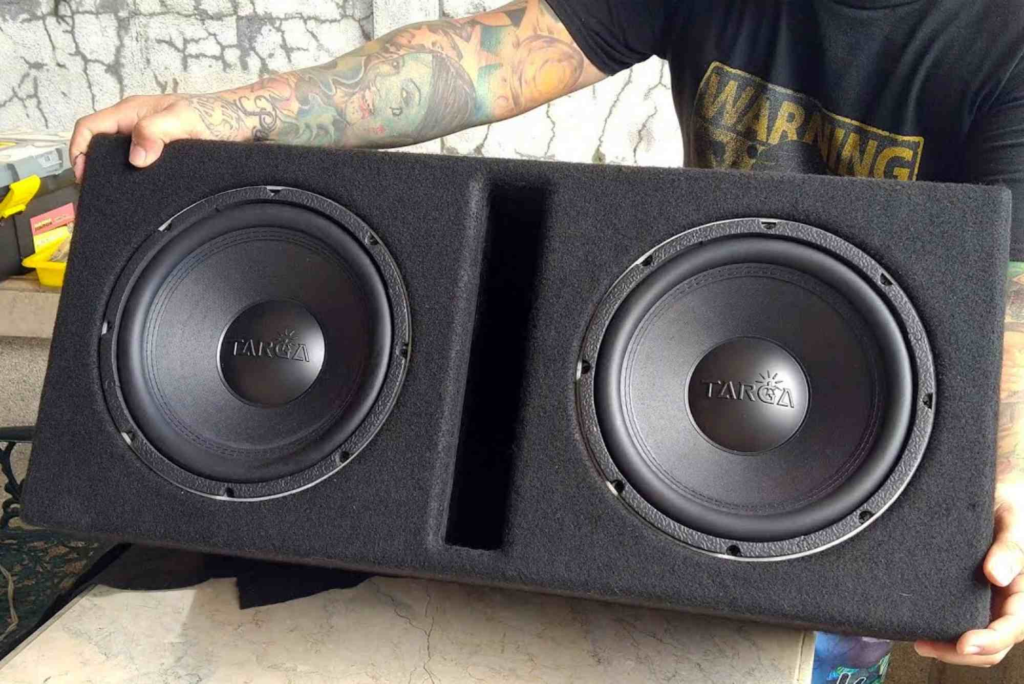
Covering the box with carpet or vinyl protects it and blends with the car interior. If you want branded stickers or custom graphics for your design, explore high-quality Custom Boxes to give your enclosure a professional visual finish.
Essential Components in a Good Speaker Box Design
A box is not only about dimensions. Sound quality depends on several small but important elements.
Bracing for Strength
Internal braces prevent vibration and keep panels stable. Without bracing, large surfaces flex and change the sound.
Acoustic Dampening
Adding polyfill or foam inside sealed boxes improves bass response and reduces standing waves.
Accurate Port Size
In ported designs, the diameter and length of the port must be tuned to the speaker’s frequency. A wrong port size causes chuffing sounds and distortion.
Reliable Mounting and Air Sealing
A loose speaker or air leak drastically reduces bass. Always use strong screws and seal gaps with silicone for airtight construction.
Designing a Car Speaker Box for Limited Space
Cars have limited room. The challenge is designing a box that fits without blocking trunk space or interfering with daily use. Measure trunk depth, width, and seat clearance before finalizing the design.
You can build wedge-shaped enclosures when dealing with slanted back seats. Shallow-mount speakers also help in tight spaces.
A custom-fit enclosure improves performance and avoids hitting the speaker cone while transporting items.
Common Mistakes to Avoid in Car Speaker Box Design
Poor design ruins even the best speakers. Here are mistakes to avoid:
Never make a box smaller than the recommended volume. Never install the speaker without sealing the mounting area. Never use thin or weak material that vibrates. Never place the box against loose car panels without padding. Never ignore manufacturer data for port tuning and volume.
Avoiding these mistakes ensures your speaker box design for car delivers strong performance and longevity.
Enhancing Your Car Speaker Box with Proper Wiring
Use thick, oxygen-free copper wire for strong signals. Keep connections tight and clean. Avoid running audio wires alongside power cables to prevent noise.
A well-wired system enhances sound clarity and reduces distortion.
Testing and Fine-Tuning Your Speaker Box
Once installed, test the speaker with different songs. Listen for rattles, air leaks, or buzzing. If the bass sounds muddy, check the port tuning or box volume. Small adjustments make a big difference.
Tools like SPL meters and tone generators help measure performance, but your ears are the best judge.
For deeper technical information about materials, coatings, and construction quality, explore print & finishing insights for professional-grade knowledge related to finishing techniques and durable surface treatments.
Benefits of a Custom Speaker Box Design for Car
Custom-built boxes fit your car perfectly. They maximize trunk space and complement your interior style. A custom design also improves airflow, reduces rattles, and increases bass accuracy.
If you plan to design or buy a custom enclosure in person, you can check Buddy Packaging Location for relevant services if you need materials or custom finishing.
FAQs
What is the best box for deep bass in a car?
A ported box produces deeper and louder bass compared to sealed designs.
How big should a car speaker box be?
It should match the volume recommended by your speaker’s manufacturer. Always calculate internal volume.
Is a sealed box louder than a ported box?
No. Ported boxes are louder, but sealed boxes offer tighter and cleaner bass.
Can I use any wood for a speaker box?
Use MDF or high-quality plywood. Other woods vibrate and affect sound quality.
Do I need polyfill in my car speaker box?
Polyfill helps sealed boxes improve low-frequency response. Ported boxes usually don’t need it.
The right speaker box design for car can transform your audio system from average to outstanding. With proper material, accurate volume, the right box type, and careful installation, you can enjoy clear, deep, and powerful sound on every drive. A well-designed enclosure protects your speaker, improves bass, and delivers true performance.