Introduction
Bottle box design has become one of the most important parts of product packaging, especially for brands that want to stand out on shelves or online. Whether you’re packaging wine, skincare serums, supplements, juices, or luxury beverages, the right bottle packaging can communicate quality and protect your product. In this guide, you’ll learn everything about bottle box design, from structure and materials to branding, inserts, printing, sustainability, and industry trends.
The goal is to make bottle box design easy to understand and practical so you can build packaging that looks beautiful and performs well. You’ll also see real industry practices, along with helpful resources such as Custom Boxes from Buddy Packaging, professional box design inspiration, and even the Buddy Packaging Location if you need local support.
Understanding Bottle Box Design in Today’s Market
Bottle box design has evolved from simple protective packaging to a central brand storytelling tool. Customers judge packaging before they judge the product. This makes your box design a silent ambassador for your brand. A well-designed bottle box balances visuals, structure, material strength, and user experience. When done right, it creates a premium feel and builds trust.
Why Bottle Box Design Matters
Every successful brand knows packaging is more than a container. Bottle box design affects how customers perceive value. A strong box prevents breakage, reduces returns, and improves customer satisfaction. At the same time, good design increases brand recognition and encourages repeat purchases. With rising competition in beverage, beauty, health, and wellness industries, packaging quality is now a major differentiator.
The Growing Demand for Smart Packaging
Customers want packaging that feels modern and eco-friendly. With sustainability becoming a global priority, brands are shifting toward recyclable materials and lightweight structures. Bottle box design now includes clever insert systems, optimized shapes, and reduced material waste. These changes help brands reduce costs while improving environmental responsibility.
Key Elements of Effective Bottle Box Design
Bottle packaging works best when every element is planned with purpose. Your box must withstand transportation, look appealing, and match your brand’s message. Bottle box design involves understanding structure, materials, and visual communication.
Structure and Engineering
The structure is the backbone of bottle box design. Each bottle type needs the right box style. Cylindrical, rectangular, slim, and square bottles all behave differently. Structural design must keep the bottle secure and upright. Many brands use internal support systems, such as sleeves or inserts, to prevent movement. When designing structural elements, you must consider weight, height, and fragility.
Material Selection for Durability and Aesthetics
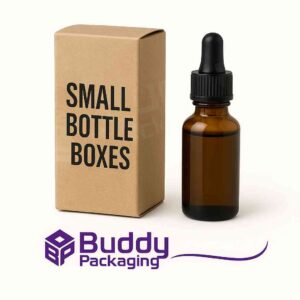
The material you choose affects cost, strength, and overall impression. Cardboard, corrugated board, kraft paper, and rigid board are popular options. Corrugated board provides excellent shipping protection. Rigid boxes communicate luxury and elevate premium products. Kraft paper offers a natural and eco-friendly image. A well-chosen material makes bottle box design more effective and brand-aligned.
Visual Design and Branding
Visual elements transform a simple box into a brand experience. Typography, colours, images, and finishing techniques all play a role. Use your box to tell a story. Minimalist designs work well for high-end brands. Bright colours appeal to modern lifestyle products. Metallic foiling and spot UV add premium touches. If you need inspiration, you can explore global ideas through box design inspiration.
Types of Bottle Boxes and Their Uses
Across industries, bottle box design varies based on product category. Each type requires a specific combination of protection and presentation. Wine and liquor boxes often use strong materials and elegant graphics. Beauty and skincare bottle packaging focuses on delicate presentation and premium finishes. Beverage and juice boxes prioritize safety and environmental sustainability. Supplement bottles often require tamper-proof packaging.
Single Bottle Boxes
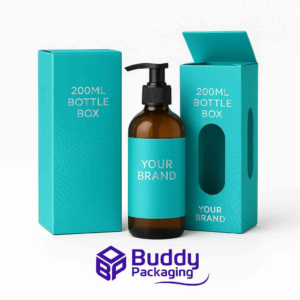
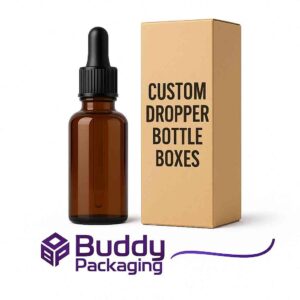
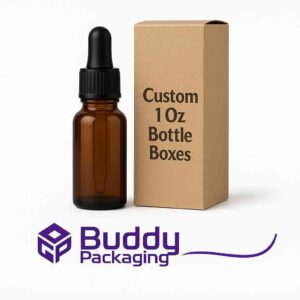
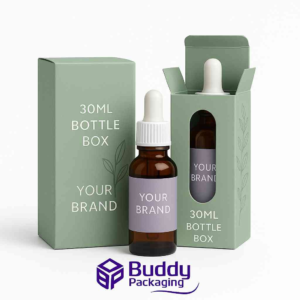
Single bottle boxes are common for luxury beverages or premium skincare items. Their design must emphasize protection and branding. They often include inserts or cushioning to keep the bottle centered.
Multi-Bottle Boxes
Multi-bottle packaging needs strong engineering and well-designed compartments. The challenge is maintaining equal spacing and stability so bottles don’t collide.
Window Boxes
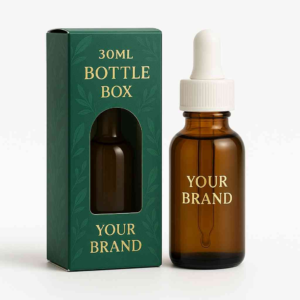
Window-style bottle packaging uses transparent windows to showcase the product. This approach enhances visibility, making products more appealing on store shelves.
Printing Techniques That Transform Bottle Box Design
Printing influences how customers feel about your packaging. Modern bottle box design uses a variety of printing technologies to create attractive visuals. Offset printing is the most common method for sharp, high-quality images. Digital printing is ideal for short runs and variable designs. Flexographic printing is efficient for large volumes and simple graphics.
Special Finishes
Finishing techniques add depth and luxury to your design. Foiling creates a metallic shine that captures attention. Embossing and debossing add a tactile element customers can feel. Spot UV highlights specific areas of the box with glossy accents. Matte lamination gives a soft, elegant texture. These finishes elevate bottle box design and make your product more memorable.
Sustainability in Bottle Box Design
Sustainable packaging is a growing priority worldwide. Brands now choose recyclable materials, eco-friendly inks, and lightweight structures. Customers appreciate packaging that reduces waste. Compostable and recycled materials are becoming common in bottle box design. Designing with sustainability in mind improves your brand image and builds trust among environmentally conscious consumers.
Strategies for Eco-Friendly Packaging
You can enhance sustainability by choosing lighter materials, minimizing excess space, and reducing ink coverage. Using recycled cardboard or kraft paper helps lower environmental impact. Water-based inks offer safer printing options. Redesigning structural inserts with recyclable alternatives can also make bottle box design more eco-friendly.
User Experience and Unboxing Appeal
A great bottle box design must provide a smooth user experience. The way customers open the box influences their first impression. Magnetic closures, pull tabs, and premium folds create satisfying interactions. A memorable unboxing experience increases brand loyalty. Many brands add interior prints or messages to surprise customers. These small details create emotional value.
Functional Considerations
While aesthetics matter, functionality is just as important. Ensure your packaging opens easily and feels stable when handled. If your product requires safety information or instructions, integrate them into the design without overcrowding the layout. The goal is to balance beauty with practicality.
Branding Your Bottle Box for Competitive Advantage
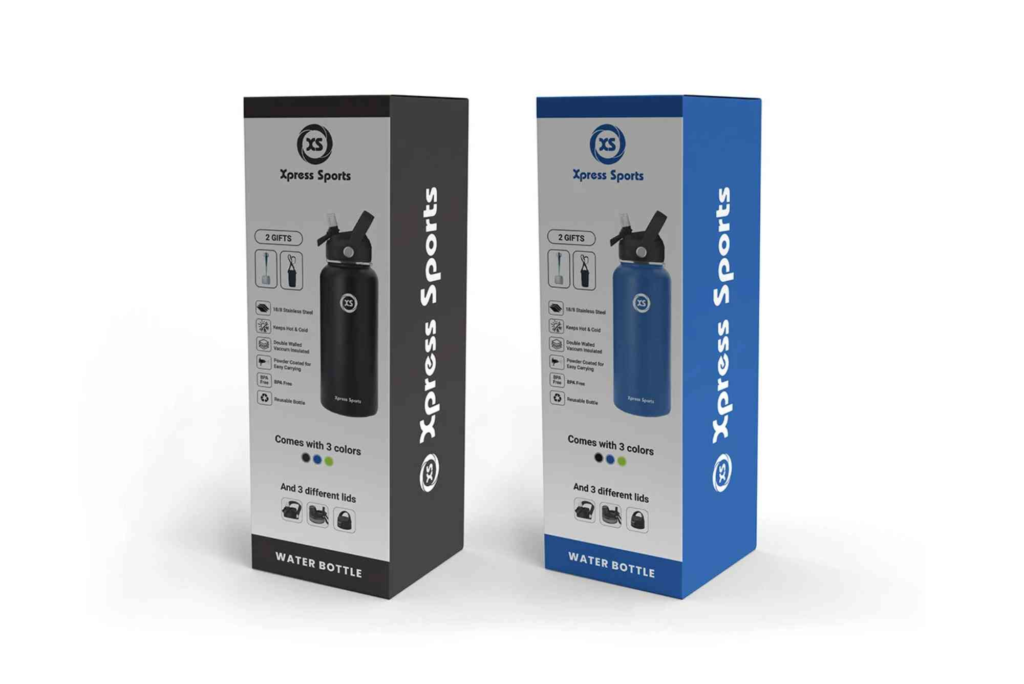
Brand consistency is essential for bottle box design. Your packaging should reflect your values, mission, and visual identity. Consistent design builds recognition. If your brand highlights natural ingredients, use earthy tones and kraft textures. If your brand focuses on luxury, choose rigid packaging with metallic elements. Every design choice must align with your message.
To get custom-made packaging tailored to your needs, explore Custom Boxes options from Buddy Packaging. Their team can help develop bottle box designs that match your branding and functional requirements.
Real-World Tips for Better Bottle Box Design
Successful bottle box design requires experience. Designers often test multiple prototypes before the final version. Weight distribution must be checked to prevent the bottle from leaning. Insert thickness must match bottle shape. Colours should be tested under different lighting conditions. Finishes must be chosen based on the product’s price segment. Every detail influences the final result.
FAQs
How do I choose the best material for bottle box design?
Choose material based on weight, fragility, and brand image. Corrugated board is strong, while rigid board offers a luxury feel. Eco-friendly kraft paper is ideal for natural or organic products.
How can I make my bottle box stand out on shelves?
Use bold colours, premium finishes, and clear branding. Adding tactile elements like embossing or foiling helps your box feel unique. A strong visual identity creates shelf appeal.
What is the most protective type of bottle packaging?
Corrugated boxes with custom inserts offer the strongest protection. These structures prevent movement and absorb shocks during shipping.
How do I design eco-friendly bottle packaging?
Use recyclable materials, minimalistic designs, and water-based inks. Optimize box dimensions to reduce waste and choose inserts made from paper instead of plastic.
Why is unboxing experience important in bottle box design?
Unboxing affects customer satisfaction and brand loyalty. A smooth, premium unboxing experience creates emotional value and encourages customers to share the experience online.
Bottle box design goes beyond appearance. It reflects your brand, protects your product, and shapes customer experience. When you combine smart structure, sustainable materials, and thoughtful design, your packaging becomes a powerful business asset. If you’re ready to elevate your product presence with expert bottle packaging, explore fully customised solutions through Custom Boxes or visit the Buddy Packaging Location for support. Start building bottle box designs that leave a lasting impression.