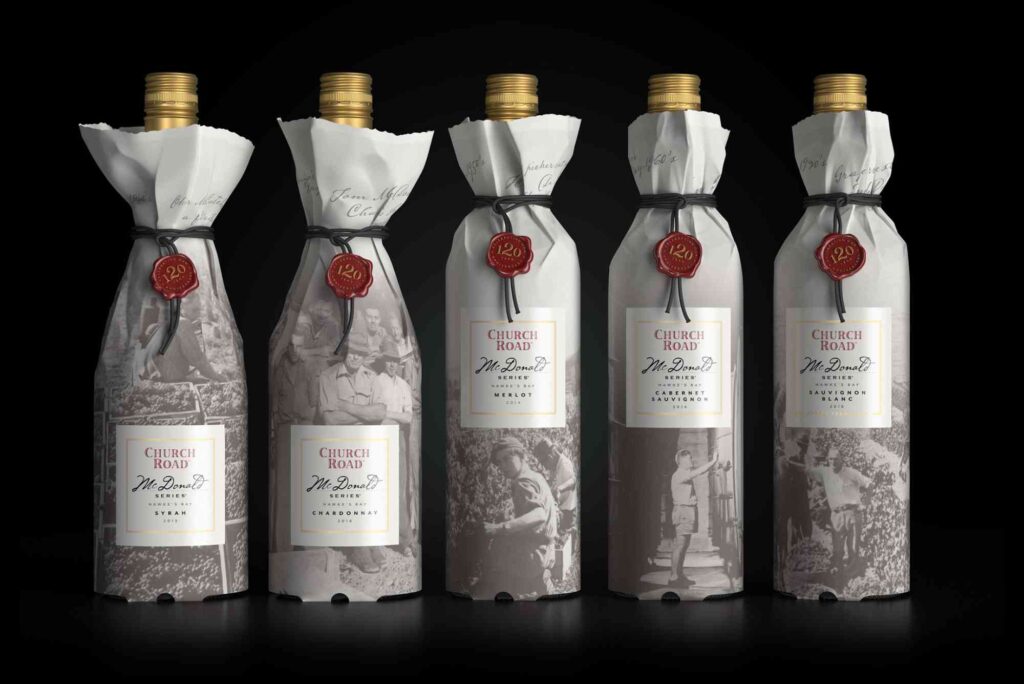
Wine packaging is more than just a protective shell for a bottle; it’s an essential part of storytelling. A well-designed package communicates the wine’s quality, style, and personality before a consumer even takes a sip. In today’s competitive market, packaging design for wine can determine whether a bottle stands out on crowded shelves or fades into the background. From the typography on the label to the shape of the bottle, every element contributes to brand perception.
Why Packaging Design Matters in the Wine Industry
In the wine industry, visual appeal is crucial. Consumers often make purchase decisions based on first impressions. Packaging conveys messages about the wine’s origin, vintage, and flavor profile, influencing buyer confidence. A thoughtfully designed wine package can highlight authenticity, evoke emotion, and create a memorable unboxing experience that encourages repeat purchases.
Packaging also serves a functional purpose. Glass bottles protect wine from environmental factors, but supplementary packaging such as boxes, sleeves, or wraps ensures safe transport. Investing in design ensures both aesthetics and functionality, which are increasingly important in e-commerce and gift markets.
Understanding the Role of Branding in Wine Packaging
Brand identity is the backbone of effective packaging. Wine labels often reflect the vineyard’s history, terroir, and target demographic. Luxury wines may employ minimalist design with embossed fonts, while contemporary wines may experiment with vibrant colors and artistic illustrations. The goal is to align the visual language with the brand narrative.
Effective wine packaging balances tradition and innovation. A classic look communicates heritage, while modern designs can attract younger consumers seeking novelty. By integrating brand values into every visual and tactile detail, wineries can create a cohesive identity that resonates across all touchpoints.
Typography and Label Design
Typography influences perception. Serif fonts often evoke sophistication and heritage, whereas sans-serif fonts convey modernity and simplicity. Label layout must ensure readability and compliance with legal requirements without compromising aesthetic appeal. Subtle elements such as gold foiling or embossing can enhance perceived value and elevate a bottle to premium status.
Color Psychology in Wine Packaging
Colors communicate emotions and help consumers associate certain characteristics with the wine. Deep reds may indicate richness, while earthy tones suggest organic or biodynamic wines. The color palette should harmonize with brand identity while standing out on retail shelves. Thoughtful color choices enhance the storytelling aspect of packaging.
Materials and Sustainability in Wine Packaging
Sustainability has become a significant factor in packaging design for wine. Consumers increasingly favor eco-friendly packaging that reflects environmental responsibility. Recyclable materials, biodegradable inks, and lightweight bottles reduce carbon footprint while appealing to conscientious buyers.
Innovative materials can also enhance tactile experiences. Textured papers, embossed logos, or soft-touch finishes make packaging more engaging. The combination of sustainable practices and premium tactile elements communicates both quality and care.
Innovative Bottle Shapes and Closures
Beyond labels and boxes, bottle shape and closure type influence packaging perception. Unique bottle shapes can create a signature look for a brand, while cork or screw-cap choices signal tradition or modernity. Packaging must balance functionality with visual appeal to ensure a memorable consumer experience.
Integration with Digital and Retail Environments
In today’s digital shopping world, packaging design extends beyond physical shelves. Stunning visuals must translate effectively online to attract clicks and purchases. High-quality photography of packaging, combined with detailed descriptions, helps consumers make confident choices.
Retail environments also influence design decisions. Wines displayed in gift sets or premium shelving require packaging that captures attention and conveys exclusivity. Packaging must perform across multiple channels to maximize brand reach.
Enhancing Wine Packaging Through Custom Solutions
Custom packaging is an effective way to create a unique market presence. Tailored boxes, inserts, and sleeves allow brands to tell a more compelling story while protecting bottles during transport. Choosing specialized designs, finishes, and structural elements ensures that the packaging reflects the wine’s identity while standing out from competitors. You can explore Custom Packaging solutions to craft designs that leave lasting impressions.
Print Techniques and Finishing Touches
Advanced print and finishing techniques enhance wine packaging’s aesthetic appeal. Techniques such as embossing, foil stamping, spot UV, and textured coatings add dimension and sophistication. Leveraging print & finishing insights helps brands select finishes that resonate with consumers and strengthen brand identity.
Finishes should complement the label design and overall packaging concept. A thoughtfully executed finish can transform an ordinary label into a premium experience, reinforcing quality and encouraging purchase.
Wine Packaging Trends to Watch
Trends in wine packaging are constantly evolving. Minimalist designs, bold illustrations, and sustainable materials dominate the market. Interactive packaging, QR codes, and augmented reality labels offer engaging consumer experiences. Staying current with trends ensures your brand remains competitive and relevant in an increasingly visual marketplace.
Vintage-inspired packaging continues to thrive, appealing to traditional wine enthusiasts. Conversely, contemporary and playful designs attract millennials and Gen Z consumers seeking novelty and Instagram-worthy visuals.
The Influence of Storytelling
Storytelling in packaging design transforms a bottle into a narrative. Labels and packaging convey vineyard history, winemaking philosophy, and tasting notes. Consumers increasingly value authenticity and transparency. By weaving storytelling elements into packaging, wineries can create emotional connections and foster loyalty.
Importance of Consistency Across Packaging
Consistency in design strengthens brand recognition. From shipping cartons to individual bottles, cohesive visual language reinforces credibility. Using consistent typography, color schemes, and messaging ensures consumers immediately identify the brand across multiple touchpoints, building trust and familiarity.
Elevate Your Wine with Thoughtful Packaging
In the competitive world of wine, packaging design is not optional—it’s a strategic tool. Thoughtful packaging communicates quality, reinforces brand identity, and captivates consumers before the first sip. From material selection to innovative finishes and storytelling, every element contributes to a memorable experience.
Investing in premium, customized packaging solutions can elevate your wine’s market presence. Explore options for unique designs and finishes to create a lasting impression. To see how your wine brand can stand out with exceptional packaging, visit Buddy Packaging Location and start transforming your packaging today.
FAQ
What makes wine packaging effective?
Effective wine packaging combines visual appeal, brand storytelling, and functional protection. It should communicate quality and attract attention on shelves.
How important is sustainability in wine packaging?
Sustainability is increasingly crucial. Eco-friendly materials resonate with environmentally conscious consumers and reflect positively on the brand.
Can packaging design influence wine sales?
Yes, packaging strongly influences consumer perception and purchasing decisions. Attractive and memorable packaging can significantly boost sales.
What are the latest trends in wine packaging design?
Minimalist designs, bold illustrations, interactive labels, and sustainable materials dominate current trends. Storytelling and premium finishes are also highly valued.
How can I customize wine packaging for my brand?
Custom packaging solutions allow brands to create unique designs, finishes, and structures that reflect their identity. Partnering with a packaging provider ensures tailored results.