Packaging Design Masters: The Complete 2025 Guide
The world of packaging has changed dramatically, and today’s competition requires far more than attractive graphics. Brands now rely on packaging design masters who blend strategy, creativity and user psychology to craft memorable, functional and sustainable packages. Understanding how masters in packaging design think, create and innovate can help businesses stand out in a crowded marketplace. Whether you are a brand owner, a designer, or a student exploring career opportunities, this guide offers a detailed look into packaging excellence in 2025. In the following sections, we will explore essential skills, tools, trends and strategic approaches used by top packaging designers, all while ensuring that the keyword packaging design masters appears naturally throughout the article.
What Makes Packaging Design Masters Different?
Packaging design masters do much more than select colours or choose materials. They focus on the full journey, from concept development to consumer experience. Their expertise lies in blending creativity with practicality. They aim to solve branding challenges while ensuring that the packaging protects, informs and delights. The strongest professionals in this field understand that packaging is often the first physical touchpoint a customer has with a brand. For this reason, every visual element and structural feature must contribute to the story.
Modern packaging designers also rely on research-driven strategies. They conduct market studies, examine competitor designs, analyse user behaviour and evaluate production constraints. With this knowledge, packaging design masters craft solutions that not only look beautiful but also align with brand goals, supply-chain realities and sustainability requirements.
Why Packaging Matters More Than Ever in 2025
Consumer expectations have evolved rapidly. Buyers now want packaging that feels premium, supports easy unboxing, minimises waste and communicates value instantly. Visual consistency across shelves and online marketplaces also plays a major role in conversions. In addition, social media unboxing videos have made packaging a central part of marketing. Brands invest heavily in unique structures, memorable graphics and eco-friendly materials to capture attention. As a result, packaging design masters are now in high demand across industries such as cosmetics, technology, food and beverages.
Another major factor is the explosion of e-commerce. Packages must survive shipping, communicate effectively on digital screens and create an emotional connection upon arrival. Designers must balance durability with sustainability and aesthetics with clarity. These challenges require mastery in materials science, branding strategy and user experience design.
Core Skills Every Packaging Design Master Must Have
The best designers develop a wide range of skills that help them approach packaging holistically. Conceptual thinking is essential, as packaging must tell a story through colour, typography, imagery and structure. Understanding brand identity allows designers to create packaging that strengthens recognition and loyalty.
Technical proficiency plays a significant role. Packaging design masters use software such as Adobe Illustrator, ArtiosCAD and 3D modelling tools to create accurate dielines, prototypes and renderings. A strong grasp of printing techniques, including offset, digital and flexographic printing, helps ensure final results match the vision. Material knowledge is also crucial. Designers must know how different papers, plastics, biodegradable materials and inks perform in terms of durability, cost and environmental impact.
Prototyping is another area where top designers excel. Physical samples help test functionality, user interaction and protection. Masters in this field refine their designs repeatedly, ensuring every crease, cut and fold serves a purpose.
The Role of Strategy in Packaging Design Excellence
What sets packaging design masters apart is their ability to combine creativity with strategic thinking. Before sketching ideas, they focus on brand positioning, target audience and product goals. Their designs reflect deeper marketing insights, making the packaging a powerful sales tool.
Packaging strategy requires an understanding of how customers make purchasing decisions. Designers study psychological triggers, such as colour associations, typography readability and visual hierarchy. They also consider shelf placement, online thumbnails and cultural factors. By doing so, they create packaging that stands out, communicates quickly and influences behaviour.
In addition, sustainable strategy is now a major priority. Eco-friendly packaging does not just reduce waste; it strengthens brand reputation. Designers are experimenting with recycled fibres, mushroom-based materials and innovations that minimise plastics. The shift towards sustainability requires expert judgement, thoughtful sourcing and collaboration with manufacturers. This is where true packaging design masters shine.
Where Packaging Designers Find Inspiration
Creative inspiration is essential in this field, and professionals often explore global trends, cultural styles and innovative structures. Many also study how top brands experiment with minimalist, luxury or playful design. Another popular approach is researching unique case studies shared online. Designers frequently refer to platforms like packaging design inspiration resources available on sites such as Packaging of the World. These platforms provide real examples of successful packaging and broaden creative thinking.
For brands looking to elevate their visual identity through tailored solutions, exploring Custom Packaging by experts can also spark ideas and refine direction. Such services, offered through resources like , allow businesses to achieve unique and high-quality results quickly.
Trends Shaping Packaging Design Masters in 2025
The packaging world is shifting towards sustainability, personalisation and technology integration. Minimalism remains a strong trend, as consumers favour clean designs that communicate benefits clearly. Earthy tones, natural textures and recyclable materials continue to rise in popularity, supporting eco-conscious branding.
Another trend involves interactive packaging. QR codes, augmented reality and digital storytelling make the unboxing experience engaging. Packaging design masters are using these elements to create immersive customer journeys. For example, food packages may show recipe videos, while beauty brands may include tutorials.
Premium textures and finishes are also gaining traction. Brands use embossing, foil stamping and soft-touch laminations to create a luxurious feel. These tactile elements enhance customer experience and strengthen brand loyalty.
Personalised packaging has become easier due to advancements in digital printing. Short-run production allows brands to customise designs for limited editions, holidays and influencer collaborations. This trend adds emotional value and strengthens engagement.
How Packaging Designers Work with Manufacturers
Collaboration is essential between designers and production teams. Packaging design masters communicate directly with printers, engineers and suppliers to ensure that creative ideas translate into functional products. They review prototypes, approve colour proofs and evaluate material performance. This teamwork reduces risks, controls costs and improves final quality.
Understanding manufacturing constraints allows designers to create realistic yet innovative solutions. They must consider die-cut limitations, print registration, glue application, folding mechanics and protective features. When designers understand these details, they can push creative boundaries without compromising functionality.
The Importance of User Experience in Packaging Design
User experience goes far beyond attractive visuals. Packaging must feel intuitive, easy to open and satisfying to use. Poorly designed opening mechanisms can frustrate customers and damage brand perception. Packaging design masters study how consumers interact with packages, from the moment they pick them up to the moment they discard or recycle them.
Clear labelling is another critical factor. Important details such as ingredients, instructions, warnings and brand messages must be easy to read. Designers must also consider accessibility. Packages should be friendly for people with limited strength, impaired vision or mobility challenges.
How to Become a Packaging Design Master
Becoming a true master takes time and consistent practice. Beginners often start with foundation skills such as graphic design, branding and illustration. As they progress, they learn structural design, printing processes and materials science. Gaining hands-on experience with mockups and prototypes is essential.
Many professionals also build strong portfolios showcasing conceptual, commercial and experimental work. Staying updated through workshops, online courses and industry events helps designers remain relevant in a rapidly changing market. Observing successful packaging design inspiration, studying case studies and working with real clients also help strengthen expertise.
Real-World Applications of Master-Level Packaging
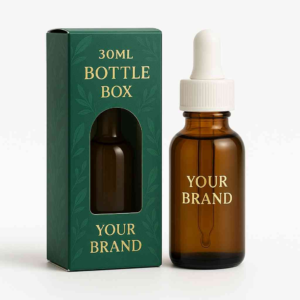
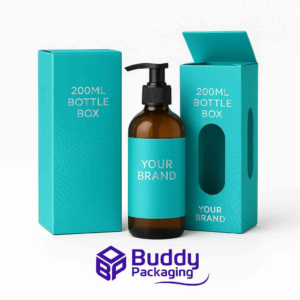
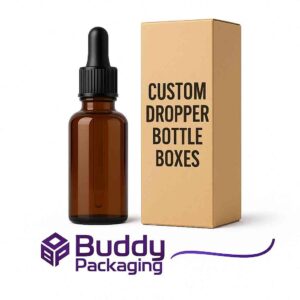
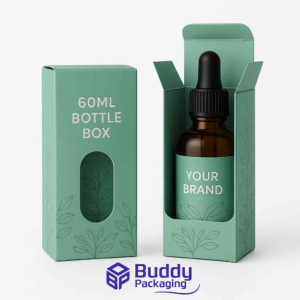
Across industries, innovative packaging drives sales and strengthens identity. Food brands use packaging to communicate freshness, safety and flavour. Beauty companies rely on elegant designs to highlight luxury and quality. Tech brands use structural packaging to protect fragile devices while emphasising innovation. Even small businesses benefit from high-quality packaging, as it creates trust and elevates perceived value.
Packaging design masters create solutions tailored to each category. They identify unique challenges, such as product fragility, hygiene requirements or regulatory details. By solving these issues creatively, they help brands stay competitive and memorable.
FAQs
What is packaging design?
Packaging design involves creating the visual appearance, structure and functionality of a package to present and protect a product.
Why is packaging design important?
It influences buying decisions, strengthens brand identity and improves consumer experience.
What skills do packaging designers need?
They need creativity, technical knowledge, brand strategy understanding and material expertise.
How do I learn packaging design?
Study graphic design, take packaging courses, analyse real projects and practise building prototypes.
What software is used in packaging design?
Designers commonly use Adobe Illustrator, Photoshop, ArtiosCAD and 3D modelling tools.
Elevate Your Brand with Packaging Mastery
In a world where competition is fierce, high-quality packaging is no longer optional. It has become a vital tool for communication, branding and customer satisfaction. Understanding how packaging design masters think and create can transform the way your brand presents itself. If you want your packaging to stand out, consider working with expert designers or exploring tailored Custom Packaging solutions that align with your brand identity and goals.