Beginner’s Guide to Food Product Packaging Design
Food product packaging design is more than just a protective wrapper for products. It plays a critical role in attracting customers, communicating brand identity, and ensuring product safety. A well-designed package can turn a simple item into a must-buy, influencing consumer decisions at first glance. In this guide, we’ll explore the essentials of food product packaging design, strategies to make it effective, and practical tips for creating designs that stand out.
Understanding Food Product Packaging Design
What is Food Product Packaging Design?
Food product packaging design combines visual creativity, functionality, and consumer psychology. It involves choosing materials, shapes, colors, typography, and graphics to present a product appealingly while protecting it. This design ensures that the product reaches consumers in perfect condition while conveying its quality and brand story.
Why Packaging Design Matters
Packaging design impacts brand perception, purchase decisions, and market positioning. Research shows that customers often judge a product by its packaging before trying it. Strong design can communicate freshness, safety, and premium quality. It also provides essential information such as ingredients, nutritional facts, and expiry dates.
Key Elements of Effective Food Product Packaging Design
Material Selection
The choice of material is crucial for both protection and aesthetics. Common options include glass, plastic, cardboard, and biodegradable alternatives. Sustainable materials are increasingly preferred by consumers. Each material affects how the design appears and how the product is perceived.
Color and Typography
Colors evoke emotions and attract attention. For example, green often communicates freshness, while red stimulates appetite. Typography must be readable and align with brand personality. Combining clear fonts with vibrant colors helps products stand out on crowded shelves.
Graphics and Imagery
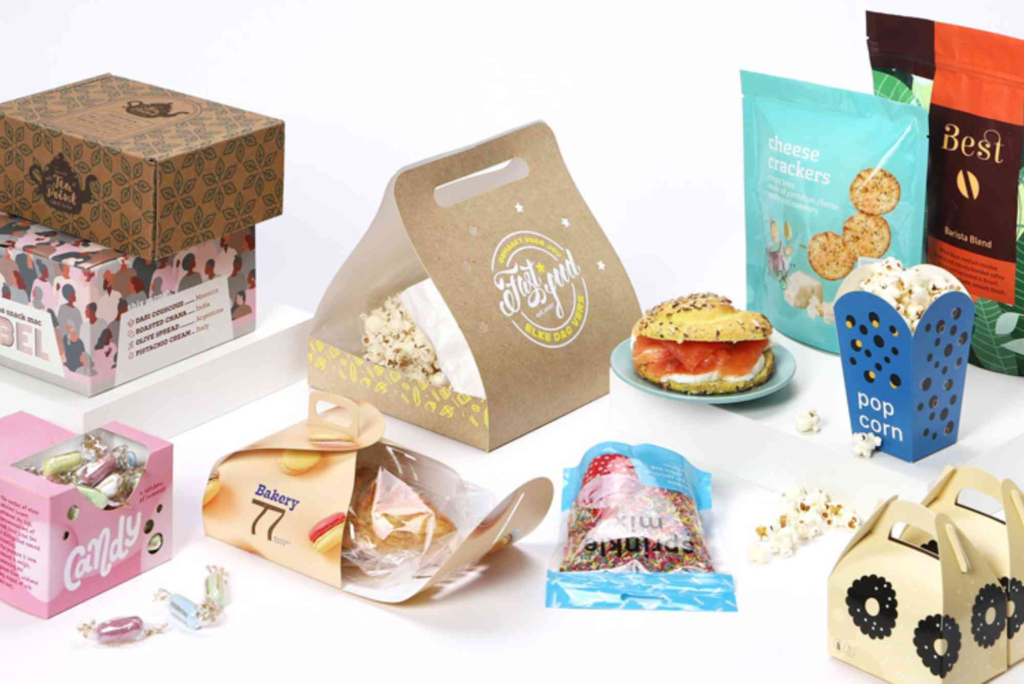
Images and illustrations are powerful tools in food packaging. High-quality images of the product or ingredients make the package more appealing. Creative graphics can differentiate the brand from competitors and convey a story that resonates with consumers.
Shape and Structure
The structure of packaging affects usability and storage. Unique shapes can create a memorable impression, but they must remain practical. Easy-to-open and resealable packaging improves customer satisfaction.
Strategies for Successful Food Product Packaging Design
Understand Your Target Audience
Effective packaging design begins with understanding who your customers are. Age, lifestyle, and preferences influence design decisions. For instance, eco-conscious consumers may respond better to sustainable packaging materials.
Emphasize Brand Identity
Packaging should reflect your brand’s values and personality. Buddy Packaging Location Consistent use of logos, colors, and design elements builds recognition and trust. Strong branding ensures that your product is instantly identifiable.
Focus on Shelf Impact
Products compete for attention on crowded shelves. Bright colors, bold typography, and unique shapes can help your product stand out. Consider how it looks alongside competitors and whether it grabs attention quickly.
Highlight Key Product Information
Consumers want quick access to essential details such as ingredients, health benefits, and certifications. Clear labeling builds trust and helps customers make informed decisions.
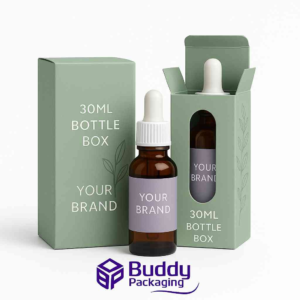
Innovate with Custom Packaging
Custom packaging allows brands to tailor designs to their specific needs. Creative approaches like limited edition prints, seasonal designs, or interactive packaging enhance customer engagement and loyalty. Businesses that invest in custom packaging often see higher repeat purchases.
Common Mistakes to Avoid in Food Product Packaging Design
Overcomplicating the Design
Too much information or cluttered graphics can confuse consumers. Simplicity and clarity are more effective in communicating your message.
Ignoring Functionality
A beautiful design is useless if the packaging is hard to open or leaks easily. packaging design tips Functionality should always complement aesthetics.
Neglecting Sustainability
Modern consumers expect eco-friendly solutions. Failing to adopt sustainable packaging can negatively impact brand perception.
Lack of Brand Consistency
Packaging that doesn’t align with other brand elements may confuse customers. Consistency across all products reinforces recognition and loyalty.
Packaging Design Tips for Food Products
- Use clear visuals to communicate product benefits.
- Opt for eco-friendly materials to appeal to conscious consumers.
- Test designs in real-world retail settings.
- Focus on readability for all text, especially nutritional info.
- Consider digital integration like QR codes for additional content.
Food Packaging Trends to Watch
- Minimalist and clean designs are gaining popularity.
- Sustainable packaging solutions, including biodegradable and recyclable materials.
- Interactive packaging that engages consumers digitally.
- Personalized or limited-edition packaging to create exclusivity.
The Role of Buddy Packaging Location in Design Success
Choosing the right production and distribution partner is essential. Locations that specialize in custom packaging solutions ensure timely delivery, quality control, and consistent design implementation. Partnering with reliable facilities can reduce costs while maintaining high-quality output.
Food product packaging design is a blend of creativity, psychology, and functionality. A compelling design attracts customers, communicates brand values, and ensures product integrity. By focusing on materials, colors, graphics, and usability, businesses can create packaging that drives sales and builds loyalty. Whether starting a new brand or revamping an existing one, prioritizing thoughtful packaging design is a step toward success. Explore custom packaging options and apply packaging design tips to stand out in the competitive food market.
FAQs About Food Product Packaging Design
What makes a food packaging design effective?
An effective design is visually appealing, functional, informative, and aligned with brand identity.
How can I make my food packaging stand out?
Use bold colors, unique shapes, high-quality images, and clear typography to grab attention.
What materials are best for food packaging?
Glass, plastic, cardboard, and biodegradable materials are popular, depending on product type and sustainability goals.
How does packaging influence consumer behavior?
Packaging can affect first impressions, perceived quality, and purchase decisions by conveying trust and brand values.
Can custom packaging increase sales?
Yes, custom packaging enhances brand recognition, customer engagement, and repeat purchases.
Are there trends in food packaging design?
Minimalist design, sustainable materials, interactive features, and personalized packaging are current trends shaping the market.