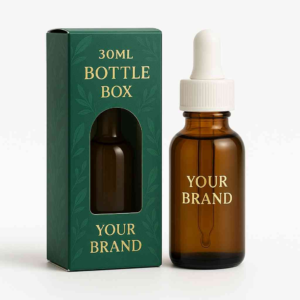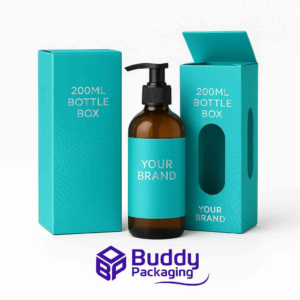
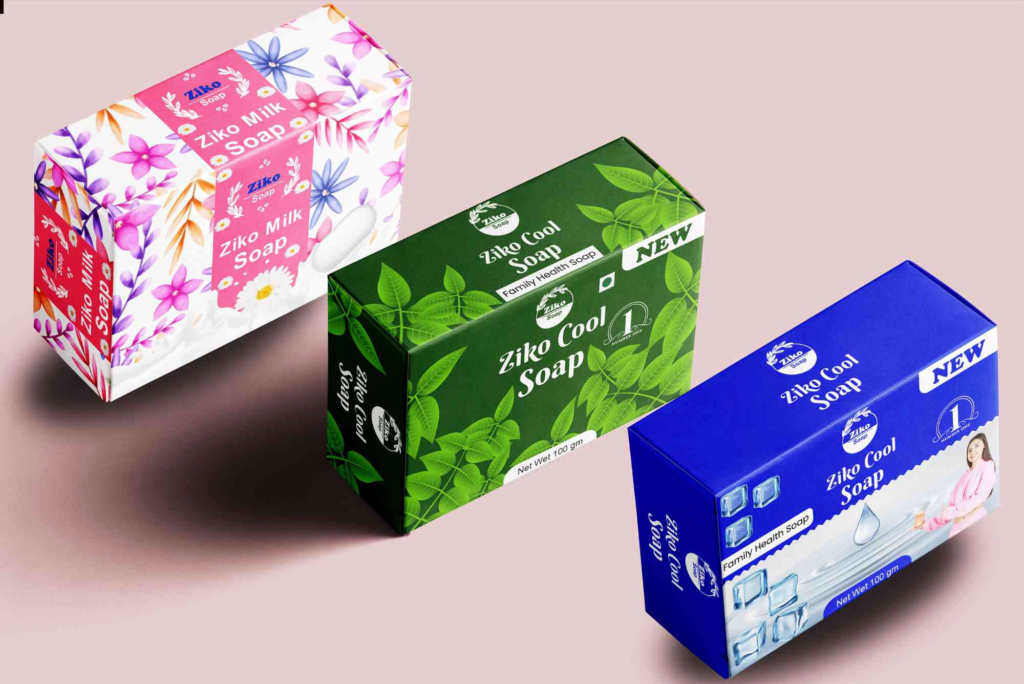
In today’s competitive market, soap box packaging design plays a pivotal role in attracting customers and conveying brand identity. Consumers often make purchasing decisions based on first impressions, and packaging is their first point of interaction with your product. A thoughtfully designed soap box not only protects the soap but also communicates quality, sustainability, and creativity. In this article, we explore the essential elements of soap box packaging design, emerging trends, and practical strategies to enhance your brand presence.
Understanding the Importance of Soap Box Packaging Design
The design of a soap box is more than just a container—it’s a storytelling tool. When done correctly, packaging can create a strong emotional connection with customers, encouraging repeat purchases. Factors like color, typography, texture, and structure influence consumer perception and can position your soap as a premium or eco-friendly product.
The Psychology Behind Packaging Choices
Colors evoke emotions and can influence buying behavior. Soft pastels may communicate calmness and luxury, while vibrant hues suggest energy and freshness. Similarly, fonts and graphic styles shape how consumers perceive your brand’s personality. Choosing a minimalistic design can suggest elegance, whereas playful patterns may appeal to younger audiences.
Brand Identity and Consistency
Consistency in packaging design reinforces brand recognition. Your soap box should align with your brand’s ethos, from logo placement to imagery and messaging. A cohesive approach ensures that customers immediately associate your product with your brand values, whether it’s sustainability, luxury, or handmade craftsmanship.
Key Elements of Effective Soap Box Packaging Design
Designing an impactful soap box involves several interconnected elements. Each aspect contributes to both aesthetics and functionality.
Structure and Material Selection
The physical structure of a soap box must protect the product while offering a tactile and visually appealing experience. Materials like kraft paper, recycled cardboard, or specialty coated paper can communicate sustainability or premium quality. The choice of material also affects printability and finishing options.
Typography and Graphic Design
Typography is crucial for readability and brand communication. Clear, legible fonts ensure that product details, ingredients, and instructions are easy to read. Complementing typography with distinctive graphics or patterns can make your soap stand out on retail shelves.
Color Palette and Visual Appeal
Color selection is essential for creating an emotional connection. Earthy tones and natural shades often resonate with eco-conscious consumers, while bold colors can attract attention in crowded retail spaces. Combining colors thoughtfully ensures harmony and reinforces your brand story.
Finishing Techniques
Finishing touches like embossing, foil stamping, spot UV coating, or matte finishes elevate the perceived value of a soap box. These subtle enhancements can make packaging feel luxurious and professional, leaving a lasting impression on customers. For further print & finishing insights, industry resources provide in-depth guidance on selecting the right techniques for your products.
Sustainability Considerations
Consumers increasingly prioritize eco-friendly products. Choosing biodegradable, recyclable, or reusable packaging materials not only reduces environmental impact but also strengthens brand trust. Sustainable packaging communicates responsibility and can be a unique selling point in a competitive market.
Emerging Trends in Soap Box Packaging
The soap packaging industry continues to evolve with consumer preferences and technological advancements. Staying current with trends ensures your products remain appealing and relevant.
Minimalist and Modern Designs
Minimalism continues to dominate the packaging world. Simple yet elegant designs convey sophistication and allow your brand story to shine without overwhelming the consumer. This approach often emphasizes high-quality materials and subtle finishes.
Interactive and Customizable Packaging
Interactive packaging, such as boxes with windows or unique opening mechanisms, enhances the unboxing experience. Customizable designs, including limited edition prints or seasonal variations, engage customers and encourage brand loyalty. Businesses can leverage services offering Custom Boxes to create tailored packaging that matches their brand identity.
Personalized Messaging
Adding personalized elements, such as customer names, messages, or bespoke labels, creates a memorable experience. This approach builds emotional connections and can increase repeat purchases by making each box feel unique.
Eco-Friendly Innovations
Biodegradable inks, seed-infused packaging, and refillable designs reflect growing consumer demand for environmentally conscious options. Brands adopting these strategies demonstrate a commitment to sustainability without compromising style.
Practical Tips for Designing Soap Boxes
Creating an effective soap box involves balancing creativity, functionality, and brand communication.
Prioritize Functionality
Your packaging must protect the soap during storage and transportation. Consider factors like box strength, moisture resistance, and ease of opening. A well-constructed box reduces damage and returns while maintaining product integrity.
Focus on Branding
Every aspect of the soap box should reflect your brand identity. Consistency in color, typography, and imagery ensures that your packaging communicates professionalism and aligns with your marketing strategy.
Test Consumer Reactions
Before finalizing a design, gather feedback from potential customers. This approach helps identify which elements resonate most and which may need refinement. Consumer testing ensures your packaging is both attractive and practical.
Leverage Local Expertise
Working with local packaging suppliers can streamline production and offer insights into market-specific trends. Visiting a Buddy Packaging Location can provide hands-on understanding of materials, finishes, and design possibilities.
Soap box packaging design is a critical component of brand success. By combining aesthetics, functionality, and sustainability, businesses can create packaging that captivates customers and communicates their brand story. Investing in high-quality design ensures your soap products stand out in a crowded market, building loyalty and increasing sales.
If you’re ready to elevate your soap brand with custom-designed packaging, explore options for Custom Boxes today and start creating a packaging experience that truly reflects your brand’s vision.
FAQ
What is the best material for soap box packaging?
The best material depends on your brand values and product needs. Kraft paper, recycled cardboard, and coated paper are popular options due to their durability and eco-friendly properties.
How can I make my soap packaging stand out?
Focus on color, typography, and finishing techniques. Unique shapes, embossing, foil stamping, or interactive elements can make your packaging more memorable.
Why is sustainability important in soap packaging?
Consumers increasingly prefer eco-friendly products. Sustainable packaging reduces environmental impact and enhances brand credibility.
Can I customize soap box packaging?
Yes. Many suppliers offer custom designs, allowing you to match your packaging to your brand identity and marketing goals.
Where can I learn more about print and finishing options?
Industry resources provide valuable print & finishing insights for packaging professionals, helping you choose the best techniques to enhance your product.