Introduction
Structural packaging design your own boxes and 3D forms has become one of the most important creative skills for brands, designers, and product innovators. As competition grows and customers demand memorable unboxing experiences, the ability to design packaging that is both functional and visually striking has turned into a major advantage. Modern brands rely on packaging not only to protect their products but also to communicate quality, personality, and trust. When you learn how to design your own structures, you gain complete control over the details that influence the customer experience. From material selection to construction techniques, structural packaging design offers an opportunity to transform ordinary products into premium, shelf-ready items that stand out instantly.
Packaging has always been a silent salesperson, but its role is now more significant than ever. With e-commerce growing rapidly and retail spaces becoming more competitive, a well-designed structural form can capture attention long before a customer reads the label. This is why brands of all sizes are exploring tools, templates, and creative methods that make it easy to design custom shapes and 3D forms that match their identity. Whether you are a small business creating unique gift boxes or a product manufacturer developing secure retail packaging, mastering structural design can elevate your brand value in ways that traditional marketing cannot.
Understanding the Fundamentals of Structural Packaging Design
Structural packaging design is the engineering side of packaging creation. It focuses on the physical structure, materials, and construction methods that determine how a package holds, protects, and displays a product. While graphic design adds colour, typography, and decoration, structural design shapes the actual form. This includes the angles, folds, cuts, locking mechanisms, and reinforcing features that determine how the box behaves in real-world conditions.
Designing your own boxes and 3D forms starts with understanding your product’s needs. Items that are fragile require protective layering, while luxury products might need rigid boards, magnetic closures, or precision-cut foam interiors. Every decision carries practical implications. A fold that is too weak can compromise stability, and a dimension that is a few millimetres off can cause alignment issues. These details can make or break both the customer experience and the integrity of the packaging.
As you explore structural packaging design your own boxes and 3d forms, you’ll quickly realise that the design process is both technical and creative. You need enough technical understanding to ensure durability and accuracy, yet enough imagination to create something visually compelling. The best structural designers are those who can merge both worlds seamlessly.
Why Designing Your Own Boxes and 3D Forms Matters Today
Many businesses start by choosing standard box sizes, only to discover that generic packaging often fails to reflect their brand’s identity. When you design your own boxes and 3D forms, you gain complete creative control. Structural design becomes a branding tool that lets you express uniqueness through shape, form, and construction. A thoughtfully engineered structure can communicate luxury, sustainability, minimalism, or craftsmanship long before the customer touches the product.
Custom packaging is particularly important for e-commerce. Customers online judge products by presentation, and packaging is a crucial part of perceived value. A well-designed structure enhances protection during transit, reduces waste, and lowers return rates due to damage. This is why more businesses are opting for tailored solutions such as die-cut corrugated boxes, rigid foldable cartons, and multi-layered inserts that improve stability.
If you want full creative freedom, you can explore structured templates, dieline software, and virtual modelling. These tools allow you to shape your ideas and instantly test them with 3D visualisation. They also make prototyping easier because you can adjust measurements, edges, and locking systems before investing in large-scale production. Structural packaging design your own boxes and 3D forms is a progressive approach that blends efficiency, innovation, and brand strategy into one workflow.
Key Principles of Effective Structural Packaging Design
While every packaging project is unique, several principles consistently guide successful structural design. One key principle is functionality. No matter how attractive a structure looks, it must support the product and perform reliably under pressure, stacking, and transit. Another important principle is material selection. Paperboard, kraft, corrugated fibreboard, rigid chipboard, and biodegradable plastics all behave differently, so understanding material strengths is essential.
Proportion and balance also matter. A box with poor proportion appears awkward and can negatively affect customer perception. The design must feel harmonious, with smooth transitions between edges, folds, and faces. The closure mechanism should be intuitive, because customers enjoy packaging that opens smoothly without struggle. Even the smallest interaction affects their experience.
Sustainability is now a major design consideration. Many businesses prefer minimal-material construction, recyclable substrates, or designs that eliminate unnecessary plastic. Structural packaging design your own boxes and 3D forms allows you to integrate sustainability from the start by selecting greener materials or designing collapsible structures that reduce shipping volume.
Using Technology to Design Your Own Boxes and 3D Forms
The advancement of packaging software has changed the way designers create structural forms. No longer limited to hand-drawn dielines, designers can now build accurate 3D models that rotate, fold, collapse, and expand on screen. These digital tools improve precision and reduce errors, especially for complex structures. Innovative platforms allow designers to upload custom dielines, test material thickness, and create virtual prototypes that behave exactly like real packaging.
If you want inspiration or professional references, you can explore industry sources such as print & finishing insights available through respected publishing platforms like PrintWeek. These resources help you stay updated on new materials, machinery, printing techniques, and finishing methods that influence the quality of structural packaging. They provide expert commentary and industry predictions that many designers rely on for informed decision-making.
Businesses looking for production-ready solutions often turn to suppliers who specialise in bespoke manufacturing. For example, brands can explore Custom Boxes services to find tailored structural solutions designed for retail, e-commerce, gifting, or subscription packaging. These services can translate your digital structural design into fully manufactured packaging with professional cutting, printing, and finishing.
How Structural Packaging Design Enhances Brand Identity
When executed thoughtfully, structural packaging becomes a storytelling tool that enhances brand identity. The form itself can evoke emotions. A magnetic closure suggests sophistication, a slide-out drawer indicates luxury, and a simple kraft tuck-end box portrays sustainability and honesty. Every structural choice becomes part of your brand message, which is why the design must align with the values you want customers to remember.
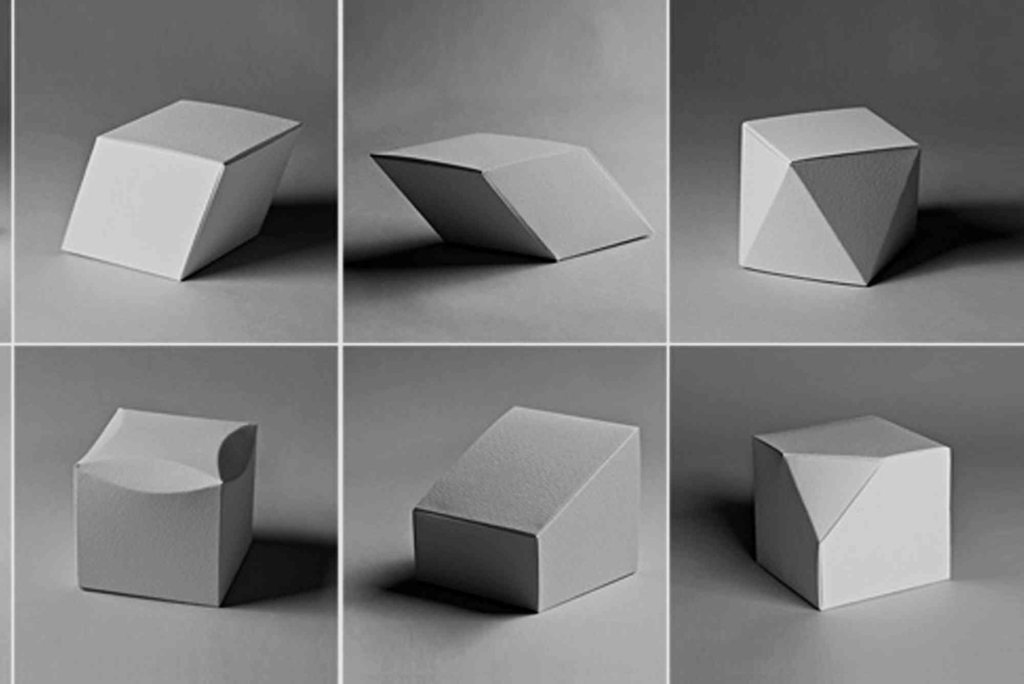
Structural packaging design your own boxes and 3D forms allows you to experiment with shapes that traditional packaging rarely uses. Triangular cartons, hexagonal gift boxes, die-cut windows, or sculpted inserts can instantly differentiate your brand. These forms not only look visually appealing but also make unboxing more interactive. When customers share these experiences on social media, your packaging becomes free marketing.
Consistency is important. When your structural packaging style is recognisable, customers begin to associate the form with your brand. This recognition can increase loyalty, repeat purchases, and brand trust. It can also help your products stand out in crowded retail shelves, giving you a competitive edge that generic packaging cannot offer.
Bringing Your Structural Design to Life Through Prototyping
Before final production, prototyping helps you refine the structural design and catch potential issues early. A prototype allows you to check stability, dimensions, closure mechanisms, and overall usability. You can also test how the box reacts to pressure, stacking, or rough handling. Physical testing ensures that the packaging protects the product effectively, especially during shipping.
Prototypes also help you evaluate visual appeal. Even though digital models are helpful, nothing replaces the experience of holding a prototype in hand. It gives you an honest impression of thickness, texture, and rigidity. Prototyping is one of the most valuable steps in structural packaging design your own boxes and 3d forms because it closes the gap between concept and reality.
FAQ Section
What is structural packaging design?
Structural packaging design focuses on the physical construction and engineering of packaging, including shape, folds, materials, and 3D forms that protect and present products.
How do I start designing my own boxes?
You start by understanding your product’s dimensions, weight, fragility, and branding needs. Then you create a dieline, choose materials, and test the structure with digital or physical prototypes.
What software is best for creating 3D packaging forms?
Designers often use specialised packaging CAD tools that allow 3D visualisation, dieline creation, and folding simulations tailored for packaging engineering.
Why is custom structural packaging important for e-commerce?
It protects products better during transit, reduces returns, and enhances the customer’s unboxing experience, which improves brand perception and loyalty.
Can unique shapes be used for retail packaging?
Yes, many brands use triangular, hexagonal, cylindrical, or multi-layered structures to differentiate their products and attract customer attention on shelves.
Structural packaging design your own boxes and 3D forms is one of the most effective ways to elevate your brand, improve product protection, and create memorable customer experiences. By mastering the principles of structural engineering, exploring advanced digital tools, and choosing the right materials, you can transform ordinary packaging into something that communicates real value. Whether you are a start-up or an established brand, investing in structural creativity will help you stand out in a crowded marketplace.
If you are ready to bring your ideas to life with professional-grade solutions, explore Custom Boxes options or stay informed with expert print & finishing insights that inspire better design decisions. Your next iconic packaging design is only a step away—start creating it today.